
Lyon’s Metro to RATP: A New Era in Public Transport
The significant contract transfer by Sytral Mobilités to RATP Dev for the management of Lyon’s rail network involves extensive operations, maintenance, and security responsibilities, marking a substantial shift in public transportation services.
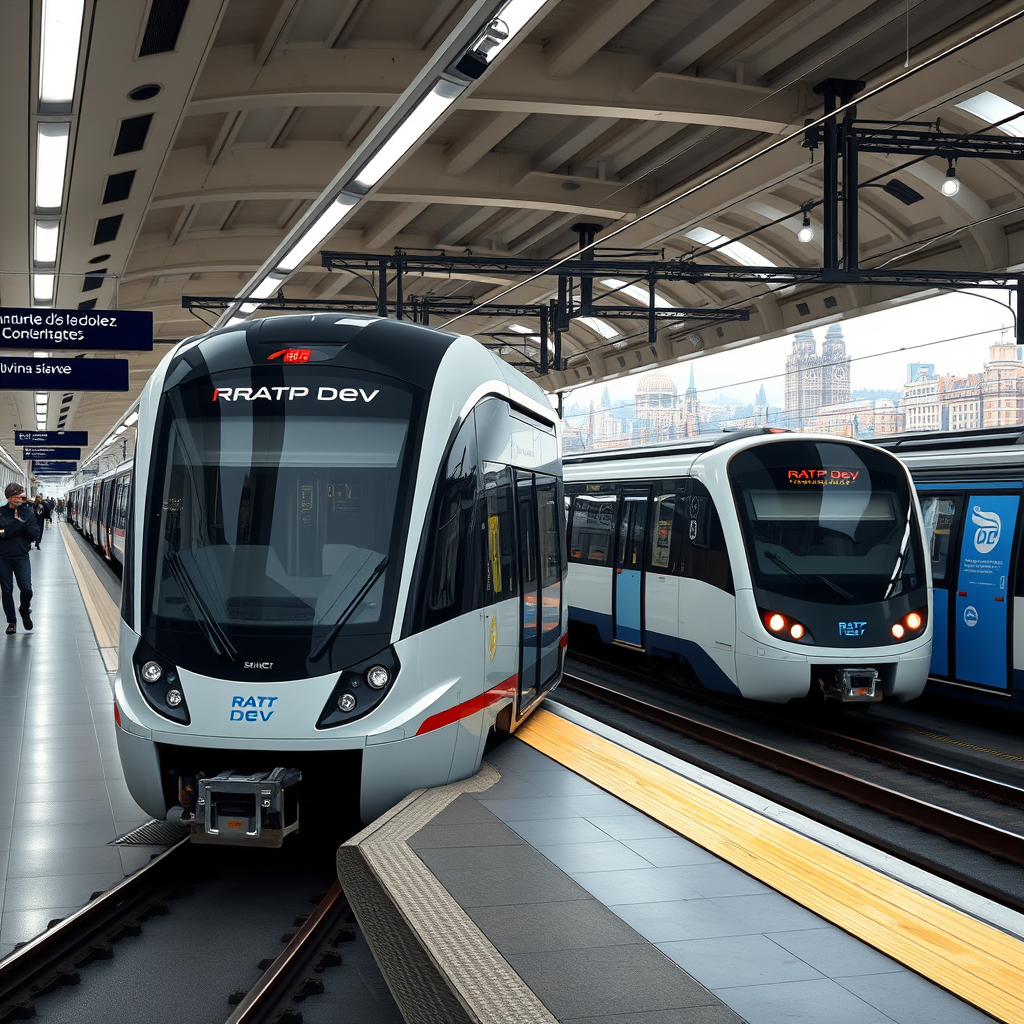
This article analyzes the recent decision by Sytral Mobilités (the Lyon metropolitan area’s public transport authority) to award the operation of Lyon’s rail network to RATP Dev, a subsidiary of the Régie Autonome des Transports Parisiens (RATP). This significant contract transfer, effective January 1st, 2025, involves the management and maintenance of Lyon’s extensive rail infrastructure, including four metro lines, seven tramway lines, two funicular lines, and the 13km Rhônexpress airport link. The decision follows a competitive bidding process and represents a substantial shift in the landscape of public transportation in Lyon, marking the end of Keolis’s thirty-year tenure. The analysis will explore the factors influencing Sytral’s choice, examining the competitive landscape, the scope of the contract, and the potential implications for the future of public transport in Lyon. The discussion will also delve into the broader context of RATP’s global presence and its strategic implications for the company’s expansion.
The Competitive Bidding Process and Sytral’s Decision
Sytral Mobilités initiated a competitive bidding process to select an operator for its rail network, separating it from the bus and trolleybus services managed by TCL (Transports en Commun Lyonnais) and Keolis. Both RATP and Keolis submitted bids, with RATP ultimately winning the contract. While Sytral acknowledged the technical equivalence of both offers, the “overall cost of the contract” proved to be the decisive factor in favoring RATP. This highlights the crucial role of cost-effectiveness in public procurement decisions for large-scale transportation projects, underscoring the importance of efficient operations and long-term cost management for the successful operation of such a significant public service. The decision also underscores the growing competitive landscape within the French public transportation sector, with operators constantly striving for efficiency and cost-effectiveness to secure and retain contracts.
Scope of the RATP Contract: Operations, Maintenance, and Security
The RATP contract encompasses a wide range of responsibilities extending beyond simple network operation. RATP Dev will assume responsibility for the maintenance and security of the entire rail infrastructure, including rolling stock comprising 102 metro trains, 107 trams, and six Rhônexpress trains. This detailed mandate reflects a growing trend towards integrated service provision in public transportation, where a single operator manages all aspects of the system to ensure seamless operation and enhanced accountability. The integrated approach minimizes potential conflicts and allows for better coordination between different operational aspects, optimizing efficiency and improving the overall quality of service. This all-encompassing approach also positions RATP as a key partner in the future development and modernization of Lyon’s public transportation system.
Expansion of Services and Future Integration
From June 2025, RATP’s responsibilities will further expand to include the management of a new river ferry shuttle service in partnership with Yachts de Lyon. This diversification reflects a strategic move towards integrating different modes of transport within the city’s overall mobility strategy. The integration of water transport into the existing rail network demonstrates a forward-thinking approach to urban transportation, leveraging complementary transport modes to enhance accessibility and cater to diverse travel needs. This holistic approach improves the overall passenger experience and contributes to a more sustainable and efficient transportation system.
RATP’s Global Reach and Strategic Implications
RATP’s successful bid for the Lyon contract underscores its position as a significant player in the global public transportation market. With existing operations in Sydney, Riyadh, and Doha, and a bid for a rail service between Quebec City and Toronto, RATP continues to expand its international footprint, showcasing its expertise and ability to operate complex and large-scale transportation systems across diverse geographical contexts. The Lyon contract reinforces RATP’s reputation and strengthens its competitive position in the global marketplace for public transport management. This success showcases the company’s capabilities in effectively managing large, complex transportation systems, strengthening their international profile and drawing attention to their specialized expertise.
Conclusions
The transfer of Lyon’s rail network operation to RATP Dev signifies a pivotal moment in the city’s public transportation landscape. Sytral Mobilités’ decision, driven by a detailed evaluation process highlighting the overall cost-effectiveness of RATP’s bid, marks a strategic shift towards optimizing operational efficiency and long-term cost management. The contract’s extensive scope, encompassing not only network operation but also maintenance and security, underscores the growing trend toward integrated service delivery in public transportation, contributing to streamlined management and enhanced service quality. The inclusion of a river ferry service further exemplifies a forward-thinking approach to urban mobility integration. RATP’s global presence and continuous expansion showcase their expertise in managing diverse and complex transport systems across various geographical locations. This successful bid solidifies RATP’s position as a leading player in the global public transportation industry, underscoring their capacity to successfully adapt and innovate in a highly competitive international market. The future of public transportation in Lyon looks promising with RATP Dev at the helm, promising a streamlined, integrated, and efficient service for the city’s residents and visitors. The long-term success will ultimately hinge on RATP’s ability to effectively manage operations, maintain the existing infrastructure, and integrate the new ferry service seamlessly into the existing network, delivering a high-quality and efficient public transport experience.

Railway infrastructure, rolling stock and transport technologies specialist focused on global rail industry developments, high-speed rail systems, signaling technologies and freight transportation. Covering railway investments, public transport modernization, rail operations and international mobility projects across Europe, Asia and North America.
RELATED POSTS

October 8, 2026 1:15 pm
Alstom secured a €1bn contract to build 13 automated trains,...

October 1, 2026 7:09 am
United States regulators confirmed a September 30 deadline for the...

October 8, 2026 12:18 pm
Siemens Mobility signed an agreement with VinSpeed to supply 350...

October 4, 2026 5:14 pm
Alstom secured a CA$4.7 billion order from VIA Rail Canada...

October 5, 2026 6:12 pm
AECOM and Jacobs secured a contract in September 2026 to...

October 1, 2026 12:13 am
Illinois approved $1.5 billion annually for the Northern Illinois Transit...