
LRT3 Project: Urban Rail Innovations & Future Trends
LRT3 project insights: Urban rail innovations in infrastructure design, CBTC signaling, PPP financing, operational efficiency & sustainability for future transit.
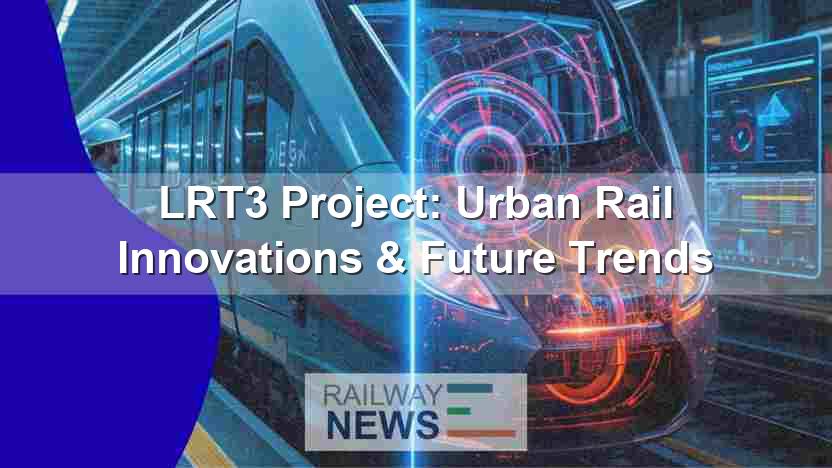
The global landscape of urban transportation is undergoing a profound transformation, driven by increasing population densities, environmental concerns, and the desire for efficient and sustainable mobility solutions. This shift necessitates a deep understanding of the intricacies involved in planning, developing, and implementing Light Rail Transit (LRT) systems, particularly in the context of complex projects like the LRT3 project. This article explores the challenges and opportunities associated with modern urban rail, exploring key factors that influence the success of such initiatives, from initial conceptualization to long-term operation. It will critically analyze the crucial aspects of infrastructure development, technological advancements, and operational strategies in modern LRT projects, highlighting best practices for effective implementation and long-term sustainability. This exploration will aim to equip readers with a detailed understanding of the crucial elements involved, from the perspective of a railway expert.
The Significance of Urban Rail Networks
Urban rail systems are more than just transportation; they are vital components of a city’s infrastructure and economic vitality. Well-designed and efficiently operated LRT systems contribute to reduced traffic congestion, improved air quality, and enhanced quality of life for commuters. Their presence directly impacts a city’s attractiveness to businesses and residents. Moreover, the strategic location of stations can catalyze urban revitalization by stimulating economic activity and creating mixed-use developments around transportation hubs. The success of LRT projects hinges critically on factors such as meticulous planning, community engagement, and alignment with sustainable urban development goals. A robust understanding of these factors is paramount to ensuring the long-term viability and social impact of these projects.
Infrastructure Design and Technological Advancements
The development of modern urban rail systems demands innovative approaches to infrastructure design, particularly in areas such as track construction, station design, and integration with existing infrastructure. Efficient utilization of space is key, demanding smart solutions for minimizing land acquisition and maximizing system capacity. Integrating advanced signaling systems, such as Automatic Train Supervision (ATS) and Communication-Based Train Control (CBTC), enhances operational efficiency and safety. This integration optimizes train scheduling, reducing delays and enhancing overall passenger experience. Utilizing data analytics for performance monitoring and real-time adjustments to operational schedules is also crucial. Technological advancement in materials science can lead to more resilient and sustainable track construction. The LRT3 project, for example, should explore these advancements for a more robust and future-proof infrastructure.
Financial Viability and Stakeholder Management
Securing adequate funding and managing stakeholder expectations are crucial for the success of any urban rail project. Thorough financial modeling, including projected ridership, operational costs, and potential revenue streams, is imperative. Public-private partnerships (PPPs) are often employed to leverage private sector expertise and capital while maintaining public oversight. Clear and transparent communication channels with stakeholders, including local communities and businesses, are essential for addressing concerns and fostering support throughout the project lifecycle. Construction delays, cost overruns, and community opposition can significantly impact the project’s financial viability and timeline. Strong project management and risk mitigation strategies are crucial for navigating these challenges.
Operational Efficiency and Sustainability
Operational efficiency is paramount for maximizing the economic and social benefits of urban rail systems. Efficient scheduling, optimized train routing, and effective management of maintenance schedules all contribute to minimizing downtime and delays. Integrating real-time passenger information systems, such as mobile apps and station displays, enhances passenger experience and reduces waiting times. Additionally, implementing environmentally friendly practices, such as electric train propulsion and the use of sustainable construction materials, aligns the project with long-term sustainability goals. Understanding and accommodating diverse passenger needs, including accessibility considerations, is paramount for achieving inclusivity and ensuring a detailed transport solution for all users.
Conclusions: Shaping the Future of Urban Mobility with LRT3 and Beyond
The successful implementation of urban rail projects like the LRT3 project requires a multifaceted approach that considers infrastructure design, technological advancements, financial sustainability, and operational efficiency. This article has highlighted the intricate interplay of these elements and emphasized the importance of stakeholder engagement. The future of urban mobility hinges on the ability to create efficient, accessible, and sustainable transport solutions, and projects like LRT3 will be key in shaping that future. Successful implementation requires careful planning and execution, alongside a deep understanding of community needs and aspirations. Addressing the potential challenges, particularly in financial planning and stakeholder management, is paramount for achieving project goals and maximizing the positive societal impact of LRT systems. Thorough assessments of environmental impact and community engagement initiatives will be essential to ensuring a project aligns with both economic and societal objectives. By carefully considering these elements, urban planners and transport authorities can create integrated and sustainable transport systems that meet the evolving needs of modern urban environments. The future of our cities relies heavily on our ability to navigate the complexities of these projects, such as LRT3. The adoption of best practices, proactive risk management strategies, and the utilization of advanced technologies will be instrumental in ensuring smooth execution and successful long-term outcomes. This will ultimately lead to a better future for commuters, businesses, and the environment alike.
You might be interested in:
Last November 2018, we published an article about major railway contracts and collaborations shaping the industry. Click here to read – Global Railway Industry: Key Contracts & Trends

Transport and railway industry editor covering global rail infrastructure, sustainable mobility, urban transit systems and next-generation railway technologies with a focus on accessible and industry-focused reporting.
RELATED POSTS

October 1, 2026 7:09 am
United States regulators confirmed a September 30 deadline for the...

October 8, 2026 1:15 pm
Alstom secured a €1bn contract to build 13 automated trains,...

October 4, 2026 5:14 pm
Alstom secured a CA$4.7 billion order from VIA Rail Canada...

October 8, 2026 12:18 pm
Siemens Mobility signed an agreement with VinSpeed to supply 350...

October 5, 2026 6:12 pm
AECOM and Jacobs secured a contract in September 2026 to...
October 6, 2026 12:16 am
FTA awarded $233 million in grants to eight US rail...