
Liberia’s Liberty Corridor: Rail, Trade, & Transformation
The Liberty Corridor project, involving Liberia’s government, HPX, and Guma Africa Group, aims to modernize its infrastructure by developing a multimodal rail system connecting Guinea to a deep-water port in Didia, Liberia, with upgrades to roads and hydropower, aiming for comprehensive economic development and regional connectivity.
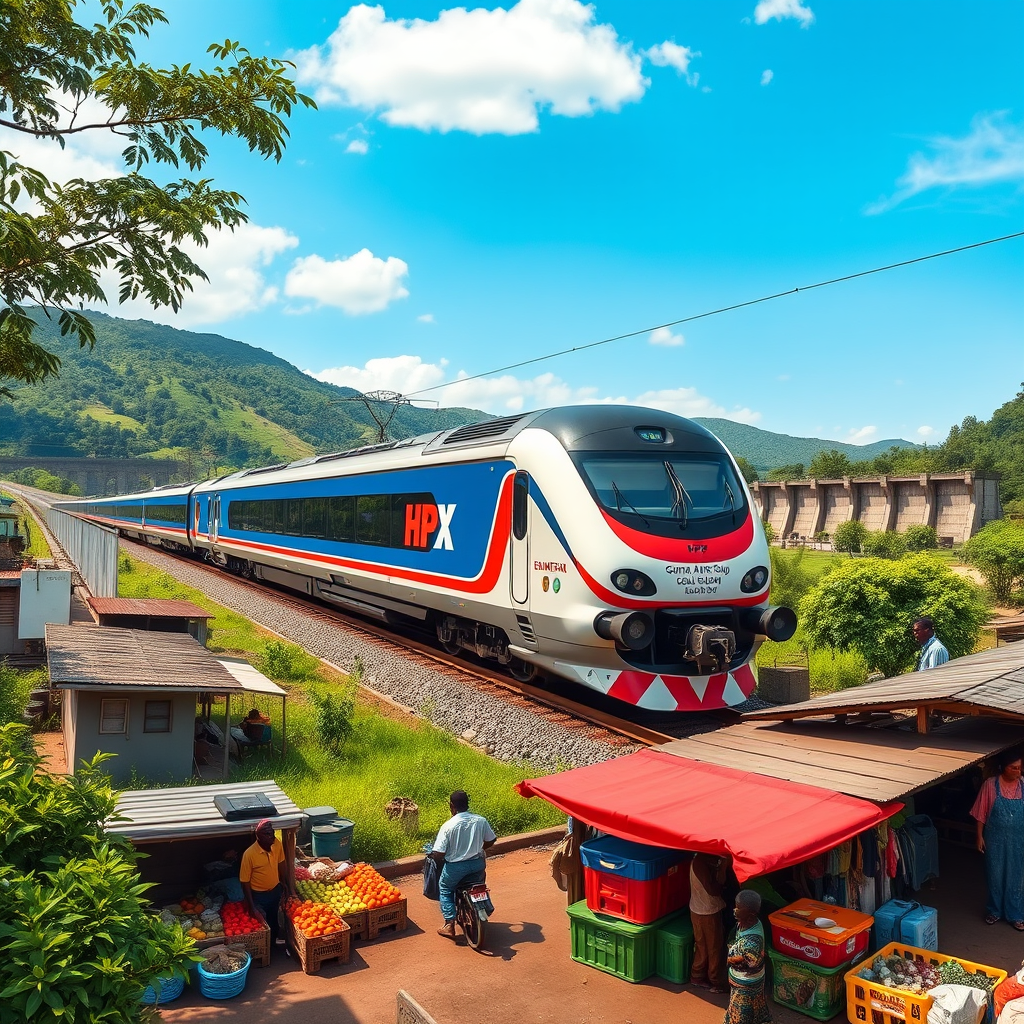
This article examines the Liberty Corridor project, a proposed multi-billion dollar infrastructure initiative in Liberia, focusing on its planned railway component and broader implications for the nation’s economic development and regional connectivity. The project, a joint venture between the Liberian government, High Power Exploration (HPX), and Guma Africa Group, envisions a modernized rail system connecting Guinea to a new deep-water port in Didia, Liberia. This initiative extends beyond mere rail development, encompassing road network upgrades and hydropower expansion, highlighting a detailed approach to infrastructure modernization. The project’s potential economic impact, environmental considerations, and challenges associated with large-scale infrastructure projects in developing nations will be analyzed, providing a detailed overview of this significant undertaking and its potential transformative effects on Liberia and the surrounding region.
The Liberty Corridor: A Multimodal Infrastructure Vision
The Liberty Corridor project represents a significant investment in Liberia’s infrastructure, aiming to revitalize its mining sector and enhance regional trade. The core of the project is a heavy rail system built upon the existing Yekepa to Buchanan corridor, extending to a new deep-water port in Didia. This strategic location offers significant advantages in terms of efficient mineral export and improved logistics. The project’s scope goes beyond rail, incorporating upgrades to existing roadways, potentially improving access to mining sites and facilitating the transportation of goods throughout the region. Additionally, expansion of the existing hydropower network is intended to provide a more reliable and sustainable energy source, crucial for the operation of the rail system and other industries.
Financing and Governance Structure
The project’s substantial cost, estimated between $3 billion and $5 billion, necessitates a robust financing strategy. The Liberty Corridor Project Steering Committee, comprising HPX, the Liberian government, and Guma Africa Group, will play a crucial role in securing funding through international partnerships and investment. The committee will also oversee the project’s development and operation, ensuring transparency and accountability throughout the process. Negotiations for financing are anticipated to involve a mix of public and private sector funding, potentially including multilateral development banks and private equity investors. A transparent and well-defined governance structure is essential to mitigate risks and ensure the project’s success.
Economic and Social Impact
The economic impact of the Liberty Corridor is projected to be significant. The modernization of the railway system will enhance the efficiency and competitiveness of Liberia’s mining sector, a crucial component of the national economy. Improved infrastructure will stimulate investment, creating job opportunities and boosting local economies along the corridor. Increased trade and access to international markets will further stimulate economic growth. However, realizing these benefits requires careful planning and management, including strategies for community engagement and workforce development to ensure that local communities benefit directly from the project. Environmental impact assessments and mitigation strategies are also critical to address potential ecological concerns.
Challenges and Considerations
Implementing a project of this magnitude in a developing nation presents inherent challenges. These include navigating complex regulatory frameworks, managing environmental and social impacts, and securing sufficient financing. Addressing potential land acquisition issues and ensuring equitable benefit sharing with local communities are crucial to fostering social acceptance and project sustainability. The successful execution of the Liberty Corridor depends heavily on effective project management, transparent communication with stakeholders, and a commitment to sustainable development principles. Careful consideration of these challenges is essential to prevent delays and ensure the project delivers its intended economic and social benefits.
Conclusion
The Liberty Corridor project represents a bold vision for Liberia’s future, promising to transform its infrastructure and revitalize its economy. The planned modernization of the rail network, coupled with improvements to road and hydropower infrastructure, has the potential to significantly boost the mining sector, enhance regional connectivity, and stimulate broader economic growth. However, the success of this ambitious endeavor depends critically on effective governance, transparent financial management, and a detailed strategy for addressing potential challenges, including environmental concerns and social equity issues. The project’s success will depend on close collaboration between the Liberian government, HPX, Guma Africa Group, and international partners. Careful planning, community engagement, and a commitment to sustainable development principles are paramount to ensure that the Liberty Corridor delivers its promised benefits to the people of Liberia and the wider region. The initiative’s potential to reshape Liberia’s economic landscape and position it as a regional trade hub is undeniable, but its realization necessitates meticulous planning and execution. The project’s success will serve as a significant case study in large-scale infrastructure development in Africa, demonstrating the potential for transformative growth while also highlighting the importance of sustainable and inclusive approaches to development.

Railway infrastructure, rolling stock and transport technologies specialist focused on global rail industry developments, high-speed rail systems, signaling technologies and freight transportation. Covering railway investments, public transport modernization, rail operations and international mobility projects across Europe, Asia and North America.
RELATED POSTS

October 1, 2026 7:09 am
United States regulators confirmed a September 30 deadline for the...

October 8, 2026 1:15 pm
Alstom secured a €1bn contract to build 13 automated trains,...

October 4, 2026 5:14 pm
Alstom secured a CA$4.7 billion order from VIA Rail Canada...

October 8, 2026 12:18 pm
Siemens Mobility signed an agreement with VinSpeed to supply 350...

October 5, 2026 6:12 pm
AECOM and Jacobs secured a contract in September 2026 to...

October 4, 2026 11:08 pm
Sound Transit confirmed the September 30 opening of Seattle Pinehurst...