
Keolis Opens 6.7 km Gold Coast Light Rail Extension
Keolis opened the 6.7 km Gold Coast light rail Stage 3 line to Burleigh Heads in August 2026, adding eight stations and expanding the network to 27 km.
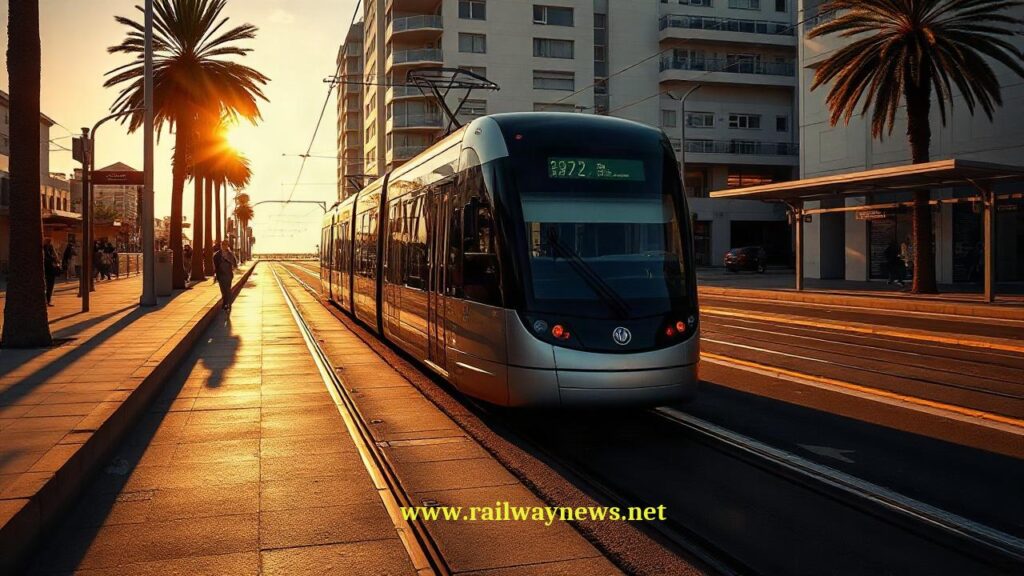
⚡ In Brief: Keolis and the Queensland Government have commissioned the 6.7-kilometre Stage 3 G:link light rail extension in Gold Coast, expanding the network to 27 kilometres with eight new stations.
GOLD COAST, AUSTRALIA – Keolis, in partnership with the GoldlinQ consortium and the Queensland State Government, opened the Stage 3 extension of the Gold Coast light rail network in August 2026. The expansion adds 6.7 kilometres of dual track and eight passenger stations connecting Broadbeach South to Burleigh Heads. The network now operates across 27 route kilometres supported by five newly delivered light rail vehicles.
What Is the Full Scope of This Project?
Stage 3 expands the Gold Coast G:link network to 27 route kilometres and introduces eight passenger stations between Broadbeach South and Burleigh Heads. The alignment traverses intermediate stops at Mermaid Beach, Nobby Beach, and Miami, providing an end-to-end corridor journey time of 17 minutes. System operations feature headways of 7.5 minutes between 07:00 and 19:00, scaling down during late-night hours until midnight. Rolling stock capacity was expanded with five additional Alstom Flexity light rail vehicles, integrated into the existing fleet managed by Keolis under its long-term operations and maintenance concession with GoldlinQ (Source: Alstom, 2026). Fare integration aligns with Queensland’s flat-rate public transport pricing model, allowing passengers to travel across the extension for 50 cents per journey (Source: Time Out Australia, 2026). Specific construction contract expenditure breakdowns for Stage 3 were not disclosed in the operational release.
Key Project Data
| Parameter | Value |
|---|---|
| Project / Contract Name | Gold Coast Light Rail Stage 3 (G:link Extension) |
| Total Value | Not disclosed |
| Parties Involved | Keolis, GoldlinQ, Queensland Government, City of Gold Coast, Australian Government, Alstom |
| Timeline / Completion | Commissioned August 2026 |
| Country / Corridor | Australia / Broadbeach South to Burleigh Heads (Queensland) |
How Does This Compare to Similar Projects?
The 6.7-kilometre Gold Coast expansion reflects Australia’s targeted urban rail densification strategy, complementing federal and state capital deployment across the national network. The Commonwealth Government committed 540 million AUD across three priority passenger and freight rail corridors to modernise regional links (Source: Australian Rail Track Corporation, 2025). Internationally, regional light rail investments contrast with heavy passenger rail development, where the global high-speed rail systems and components sector reached a valuation of 52.84 billion USD in 2025 (Source: Strategic Revenue Insights, 2025). While mega-corridors demand multi-billion-dollar allocations, the incremental expansion model adopted by GoldlinQ delivers sequential capacity gains: Stage 1 provided 13 kilometres, Stage 2 added 7.3 kilometres, and Stage 3 brings total infrastructure delivery to 27 route kilometres under a unified public-private partnership framework.
Editor’s Analysis
Stage 3 secures a southern transit spine along the Gold Coast highway corridor, establishing a reliable mass-transit pathway ahead of the Brisbane 2032 Olympic and Paralympic Games. By maintaining long-term operating partner continuity with Keolis, the contracting authority mitigates systems integration risks while extending rolling stock maintenance workflows. Sustained passenger uptake will rely heavily on the longevity of subsidised flat-rate ticketing frameworks against operational cost realities.
FAQ
Q: What route does the Gold Coast Stage 3 tram extension follow?
A: The extension runs 6.7 kilometres south from Broadbeach South to Burleigh Heads, serving eight new stations including Mermaid Beach and Miami. The trip takes 17 minutes with trams operating every 7.5 minutes during daytime peak periods.
Q: What rolling stock is used on the extended G:link network?
A: The extension added five new Alstom Flexity light rail vehicles to the existing fleet, operated and maintained by Keolis. Technical specifications maintain low-floor accessibility compatible with existing platform infrastructure across all 27 kilometres.
Q: How much did the Stage 3 extension cost to construct?
A: The exact final outturn capital expenditure was not disclosed in the official commissioning release. Funding was provided through a tripartite arrangement involving the Australian Federal Government, the Queensland State Government, and the City of Gold Coast.

Railway infrastructure, rolling stock and transport technologies specialist focused on global rail industry developments, high-speed rail systems, signaling technologies and freight transportation. Covering railway investments, public transport modernization, rail operations and international mobility projects across Europe, Asia and North America.
RELATED POSTS

October 8, 2026 1:15 pm
Alstom secured a €1bn contract to build 13 automated trains,...

October 1, 2026 7:09 am
United States regulators confirmed a September 30 deadline for the...

October 8, 2026 12:18 pm
Siemens Mobility signed an agreement with VinSpeed to supply 350...

October 4, 2026 5:14 pm
Alstom secured a CA$4.7 billion order from VIA Rail Canada...

October 1, 2026 12:13 am
Illinois approved $1.5 billion annually for the Northern Illinois Transit...

October 5, 2026 6:12 pm
AECOM and Jacobs secured a contract in September 2026 to...