
India’s Rail Revolution: Magrail, AI, & Autonomous Trains
The strategic partnership between Texmaco Rail & Engineering (India) and Nevomo (Poland), involving Magrail technology and Linear Propulsion Systems, aims to revolutionize India’s extensive rail network by deploying innovative solutions that enhance efficiency, sustainability, and speed.
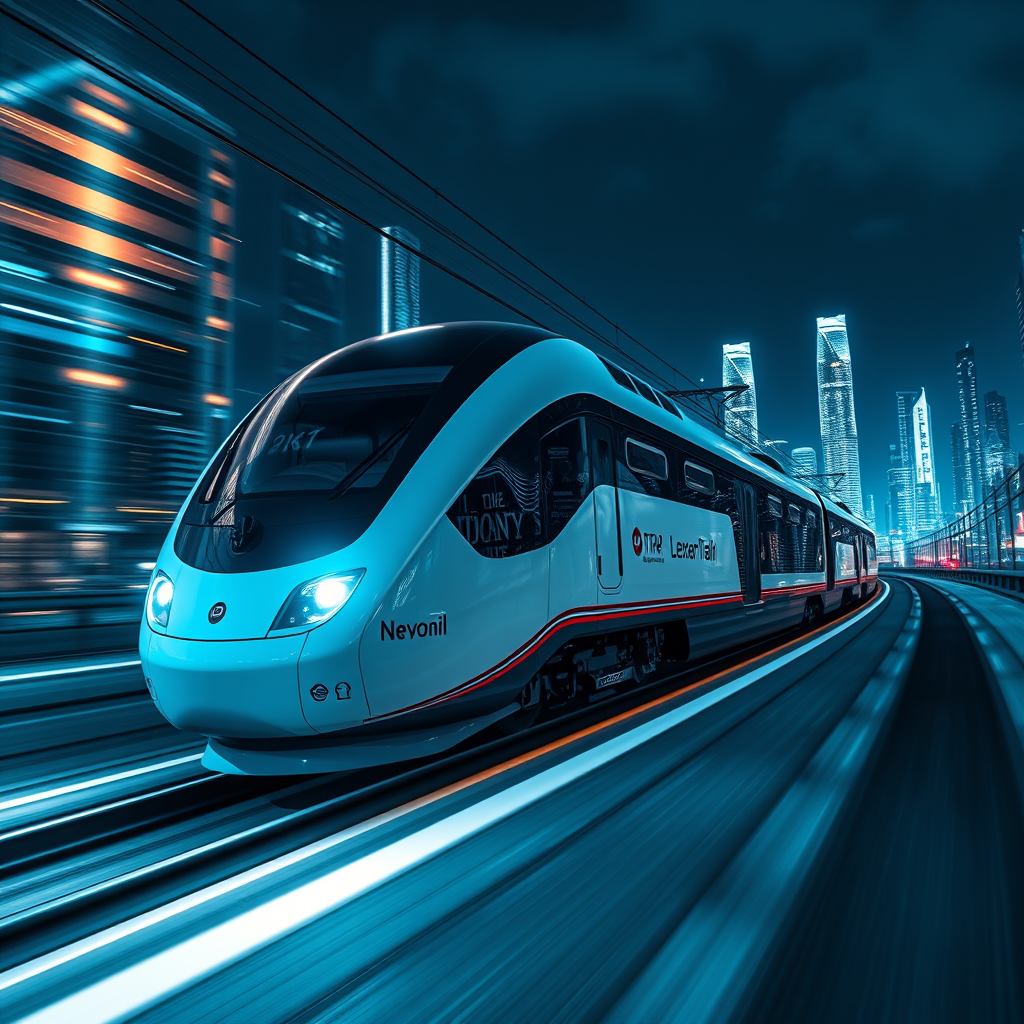
The global railway industry is undergoing a significant transformation, driven by the increasing demand for higher speeds, greater efficiency, and enhanced sustainability. This article explores the strategic partnership between Texmaco Rail & Engineering (India) and Nevomo (Poland), a collaboration poised to revolutionize railway technology through the deployment of Magrail technology and Linear Propulsion Systems (LPS). This alliance promises to not only modernize India’s extensive rail network but also to offer innovative solutions to global markets. The partnership’s focus on incorporating predictive maintenance, artificial intelligence (AI), and autonomous operation signifies a move toward a future of smarter, faster, and more sustainable rail transport. We will examine the technological advancements this partnership brings, its potential impact on India’s infrastructure, and its broader implications for the international railway sector. The far-reaching consequences of this collaboration will be analyzed, considering aspects of technological innovation, economic growth, and environmental responsibility.
Magrail Technology and Linear Propulsion Systems: A Technological Leap
At the heart of this collaboration lies Nevomo’s Magrail technology and LPS. Maglev (magnetic levitation) trains, utilizing magnetic forces for levitation and propulsion, have long been recognized for their potential to achieve exceptionally high speeds. However, traditional maglev systems require significant infrastructure investments. Nevomo’s Magrail system offers a potentially more cost-effective approach, integrating maglev principles with existing railway infrastructure, minimizing the disruption and expense associated with completely new track layouts. LPS, coupled with Magrail, further enhances efficiency by directly driving the train’s wheels, eliminating the need for traditional traction motors and gearboxes, leading to reduced maintenance and increased energy efficiency. This innovative approach addresses the challenges of speed, cost, and sustainability inherent in traditional high-speed rail development.
Transforming India’s Railway Network
India’s vast and increasingly congested rail network presents a unique opportunity for the application of Nevomo’s advanced technology. Texmaco, with its established presence and manufacturing capabilities in the Indian rail industry, serves as the ideal partner to deploy and adapt Magrail and LPS to the specific needs of the Indian Railways. This collaboration promises to increase the network’s capacity, enhance speed and reliability, and ultimately improve the overall efficiency of freight and passenger transport. By integrating AI-driven predictive maintenance, the partnership aims to reduce operational costs, minimize downtime, and improve safety through proactive track monitoring and fault detection. This initiative directly contributes to the modernization and expansion goals of India’s ambitious railway infrastructure development plans.
Global Expansion and Sustainable Mobility
The ambition of the Texmaco-Nevomo partnership extends beyond India’s borders. The planned establishment of a dedicated research and development center in the Gulf Cooperation Council (GCC) region demonstrates a clear commitment to global market expansion. This center will be instrumental in developing cutting-edge railway mobility solutions, including advanced AI-powered management systems, predictive maintenance algorithms, and autonomous train operations. Additionally, the commitment to developing eco-friendly and energy-efficient rail solutions directly addresses global concerns about environmental sustainability and the need to reduce carbon emissions from the transportation sector. This emphasis on sustainability ensures that the developed technologies contribute positively to a greener future.
Autonomous Freight and the Future of Logistics
The focus on the development of next-generation autonomous freight trains represents a significant advancement in logistics and port connectivity. Autonomous freight trains have the potential to significantly improve efficiency and reduce operational costs in the transportation of goods. By optimizing cargo transportation and streamlining logistics processes, the partnership anticipates increased productivity and competitiveness for businesses that rely on rail networks. The introduction of autonomous systems offers improved safety, reduced labor costs, and enhanced predictability in freight scheduling. This aspect underscores the potential of this collaboration to reshape not just the railway sector but also the broader landscape of global supply chains.
Conclusion
The partnership between Texmaco and Nevomo marks a pivotal moment in the evolution of railway technology. The integration of Magrail technology and LPS, combined with AI-driven predictive maintenance and a commitment to autonomous train operations, offers a compelling vision for a smarter, faster, and more sustainable future for rail transport. The strategic focus on India’s burgeoning rail network provides a significant initial market for these advancements, while the planned global expansion guarantees widespread adoption and impact. The commitment to environmental sustainability ensures the long-term viability and positive contribution of this innovation. The development of autonomous freight trains promises further efficiency gains in logistics and supply chain management. This collaboration not only accelerates technological progress but also lays the groundwork for a more efficient, safer, and environmentally responsible transportation sector worldwide. The success of this partnership will be a catalyst for further innovation and investment in the railway industry, signaling a significant shift toward a more modern and sustainable approach to rail transport globally. The combined expertise and resources of Texmaco and Nevomo have the potential to reshape the future of railways, leading to significant economic growth and environmental benefits.

Railway infrastructure, rolling stock and transport technologies specialist focused on global rail industry developments, high-speed rail systems, signaling technologies and freight transportation. Covering railway investments, public transport modernization, rail operations and international mobility projects across Europe, Asia and North America.
RELATED POSTS

October 8, 2026 1:15 pm
Alstom secured a €1bn contract to build 13 automated trains,...

October 1, 2026 7:09 am
United States regulators confirmed a September 30 deadline for the...

October 8, 2026 12:18 pm
Siemens Mobility signed an agreement with VinSpeed to supply 350...

October 4, 2026 5:14 pm
Alstom secured a CA$4.7 billion order from VIA Rail Canada...

October 5, 2026 6:12 pm
AECOM and Jacobs secured a contract in September 2026 to...

October 4, 2026 11:08 pm
Sound Transit confirmed the September 30 opening of Seattle Pinehurst...