
India’s Rail Modernization: Indigenous Tech & Infrastructure
India’s railways are modernizing with advanced locomotives. Discover how indigenous manufacturing and infrastructure upgrades are driving this critical evolution!
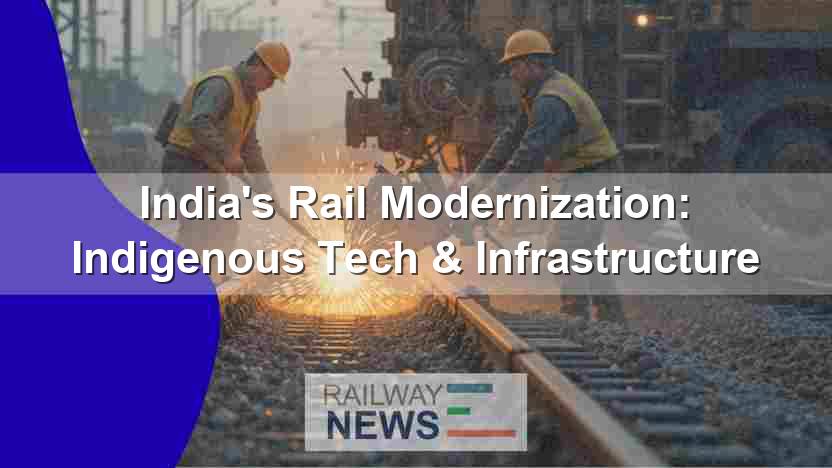
The Indian railway network, one of the largest in the world, is undergoing a significant transformation driven by the need for enhanced efficiency, safety, and environmental sustainability. This evolution hinges critically on the advancements in locomotive technology. This article explores the factors influencing this transformation, examining the crucial role of technological innovation, infrastructure development, and the emergence of indigenous production. It explores the challenges and opportunities presented by this dynamic landscape, focusing particularly on the impact of modern locomotive designs, including the integration of intelligent systems and the adoption of sustainable fuel sources.
The Shift Towards Modernization
The Indian railway system, historically reliant on older locomotive technologies, is actively embracing modernization. This involves a transition to more fuel-efficient, powerful, and technologically advanced locomotives. Factors driving this shift include rising passenger and freight volumes, increasing infrastructure development, and the need to improve overall operational efficiency. The introduction of diesel locomotives, and subsequently electric locomotives, represent key milestones in this ongoing modernization effort. Further advancements include the adoption of cutting-edge traction control systems and advanced diagnostics capabilities.
Indigenous Manufacturing and Technological Advancement
The increasing emphasis on indigenous locomotive manufacturing in India reflects a strong commitment to self-reliance and economic growth. This approach offers significant advantages, including reduced dependence on foreign suppliers, enhanced employment opportunities, and the development of a robust domestic manufacturing ecosystem. Additionally, it allows for customization and adaptation of locomotive designs to suit specific Indian railway operating conditions. The manufacturing of high-speed train sets, a critical component in the evolution of the railway system, and locomotives incorporating advanced features and safety protocols are examples of this trend. This chapter focuses on the key role of companies like GE Transportation in enabling this transition.
Infrastructure Development and Locomotive Compatibility
Significant infrastructure upgrades are essential to accommodate modern locomotives and operate them efficiently. Improved track maintenance, signaling systems, and electrification projects are crucial for maximizing the capabilities of new locomotives. The alignment between infrastructure development and locomotive technology is paramount, ensuring compatibility and optimal performance. This includes the capacity for higher speeds, greater traction, and improved safety features. The modernization efforts must address existing infrastructure limitations without significant disruptions to the operational efficiency of the existing railway system.
The Future of Indian Railways: Embracing Innovation
The future of Indian railways lies in embracing innovation and technology across all aspects of its operations. This includes the incorporation of intelligent transportation systems, integrated operational management systems, and automation of various functions. The integration of renewable energy sources in locomotive operation is also an emerging trend, with the potential to substantially reduce the carbon footprint and contribute to a more sustainable transportation future. The use of advanced materials and propulsion systems is another area of critical focus. The development and implementation of advanced digital platforms will be essential in managing the complex network effectively and enhancing overall efficiency, particularly in the context of the increasing freight and passenger traffic.
Conclusions
The Indian railway system is undergoing a significant transformation, moving towards a more technologically advanced and sustainable future. The transition hinges on integrating modern locomotive technologies, supporting infrastructure development, and promoting indigenous manufacturing. The crucial role of companies like GE Transportation in supplying locomotives to India is vital to this transformation. This evolution, however, is not without challenges. Balancing the needs of operational efficiency, safety, environmental concerns, and the integration of emerging technologies while maintaining the integrity and reliability of the existing infrastructure is critical. This requires strategic planning, effective investments, and a commitment to continuous innovation across the board. The Indian railway’s future success is directly intertwined with its capacity to adeptly adapt to technological advancements and effectively navigate the complexities of its massive and evolving network. The modernization of Indian railways is not just about acquiring new locomotives but about creating a detailed and interconnected system that enhances efficiency, safety, and sustainability, ultimately serving the nation’s transportation needs. The success of this modernization is vital for bolstering economic growth and connecting communities more effectively.
This transformation promises a future of improved service quality, increased efficiency, and an enhanced overall passenger experience. The challenges are significant, but the potential rewards are substantial, ultimately contributing to India’s economic progress and social development.
You might be interested in:
Last February 2019, we looked at India’s Vande Bharat Express, a technological marvel boosting efficiency and passenger comfort. Click here to read – India’s Vande Bharat Express: A High-Speed Revolution

Railway infrastructure, rolling stock and transport technologies specialist focused on global rail industry developments, high-speed rail systems, signaling technologies and freight transportation. Covering railway investments, public transport modernization, rail operations and international mobility projects across Europe, Asia and North America.
RELATED POSTS

October 1, 2026 7:09 am
United States regulators confirmed a September 30 deadline for the...

October 8, 2026 1:15 pm
Alstom secured a €1bn contract to build 13 automated trains,...

October 4, 2026 5:14 pm
Alstom secured a CA$4.7 billion order from VIA Rail Canada...

October 8, 2026 12:18 pm
Siemens Mobility signed an agreement with VinSpeed to supply 350...

October 1, 2026 12:13 am
Illinois approved $1.5 billion annually for the Northern Illinois Transit...

October 6, 2026 2:14 am
Union Pacific launched export rail shipments with Ferromex to deliver...