
Hytera’s Shenzhen Metro: Revolutionizing Rail Comm
Hytera, through its $30 million contract for Shenzhen Metro Line 12, provides a comprehensive digital trunking solution that enhances the reliability and efficiency of communication systems in urban rail networks, crucially supporting the safety and passenger experience of large-scale metro operations.
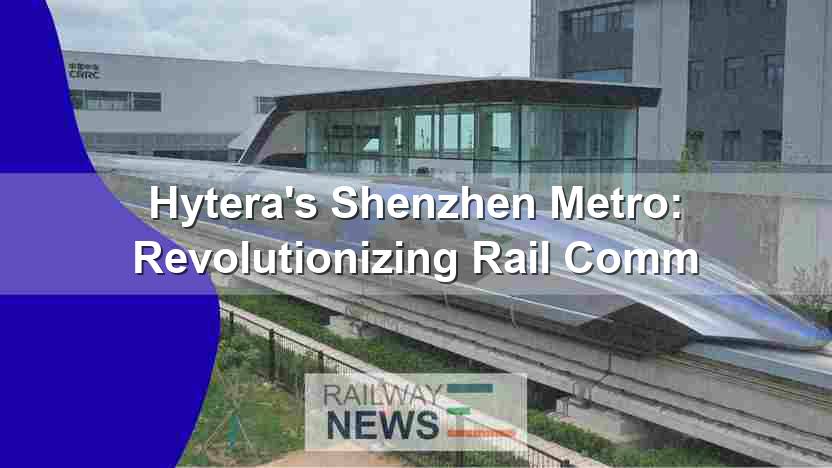
This article explores the significant role of reliable communication systems in modern railway operations, focusing on Hytera’s substantial contribution to the Shenzhen Metro system in China. The increasing complexity and scale of urban rail networks necessitate robust and integrated communication solutions that ensure seamless operations, enhance safety, and improve the overall passenger experience. This case study examines Hytera’s provision of a detailed digital trunking solution for Shenzhen Metro Line 12, highlighting the technological aspects of the implementation and its broader implications for the future of railway communication infrastructure. We will delve into the specific technologies employed, the challenges faced in implementing such a large-scale system, and the benefits derived from improved communication capabilities within the Shenzhen Metro network. Further, we will discuss the broader trend toward advanced communication systems and their impact on operational efficiency, safety, and the overall passenger experience in the railway industry.
Hytera’s Shenzhen Metro Line 12 Project: A Case Study in Railway Communications
Hytera, a leading provider of mobile radio solutions, secured a $30 million contract to deliver a complete communication system for Shenzhen Metro Line 12. This involved supplying a detailed range of equipment, including 800MHz Tetra (Terrestrial Trunked Radio) digital trunking base stations (DIB R5), on-board mobile radios, handheld radios, and a 400MHz PDT (Private Digital Trunked) station management system. This integrated solution is designed to provide reliable voice and data communication across the entire network, connecting control centers, train drivers, station operators, and maintenance personnel.
Technological Aspects of the Implementation
The chosen technologies, 800MHz Tetra and 400MHz PDT, are crucial for ensuring reliable communication in a demanding environment. Tetra, a digital trunking technology, offers high capacity and excellent voice quality, essential for coordinating train operations and managing emergencies. The PDT system, a private digital trunking solution, supplements Tetra by providing additional communication channels and functionalities tailored to the specific needs of the metro system. The integration of these technologies guarantees a robust and adaptable communication infrastructure capable of handling a high volume of calls and data transmissions.
Expanding on Hytera’s Previous Work in Shenzhen
This project builds upon Hytera’s existing presence in the Shenzhen Metro system. The company had previously equipped five other lines (Lines 6, 7, 9, 10, and 11) with Tetra and PDT on-board systems. Lines 7, 9, and 11, with a combined length of 107km and 68 stations, demonstrate the scale of Hytera’s prior work. Line 11’s function as an airport line and its connection to the Guangzhou-Shenzhen intercity rail line highlight the importance of seamless communication across different railway systems. Lines 6 and 10, spanning 78.7km and comprising 47 stations, were notable for being among the first metro lines in China with full 5G coverage, showcasing the integration of modern technologies.
Benefits and Future Implications
The implementation of Hytera’s communication solutions delivers numerous benefits. Improved communication enhances operational efficiency, allowing for quicker response times to incidents and better coordination between different teams. Enhanced safety is another key benefit, as reliable communication is critical for managing emergencies and ensuring passenger safety. Moreover, the system’s ability to support voice and data communication enables the integration of advanced functionalities such as real-time passenger information systems and predictive maintenance applications. This ultimately contributes to an improved passenger experience and optimized management of the metro system.
Conclusions
Hytera’s successful implementation of a detailed communication system for Shenzhen Metro Line 12 underscores the critical role of robust and reliable communication infrastructure in modern railway operations. The project showcases the effectiveness of combining 800MHz Tetra and 400MHz PDT technologies to create a resilient and adaptable network capable of handling the demands of a large-scale urban metro system. The integration of these technologies, along with Hytera’s experience in delivering similar solutions to other Shenzhen metro lines and cities across China, demonstrates a clear commitment to improving safety, efficiency, and passenger experience in the rail industry. The seamless integration between control centers, train drivers, station operators, and maintenance personnel facilitated by Hytera’s solution directly contributes to improved operational efficiency and quicker response times during emergencies. This case study reinforces the growing trend towards advanced communication systems in the railway sector, highlighting their potential to optimize operations, enhance safety measures, and ultimately provide a superior passenger experience. The future of railway communications undoubtedly lies in the continued development and implementation of integrated, robust, and adaptable systems, such as those provided by Hytera, to meet the evolving needs of increasingly complex and high-capacity rail networks worldwide.

Railway infrastructure, rolling stock and transport technologies specialist focused on global rail industry developments, high-speed rail systems, signaling technologies and freight transportation. Covering railway investments, public transport modernization, rail operations and international mobility projects across Europe, Asia and North America.
RELATED POSTS

October 8, 2026 1:15 pm
Alstom secured a €1bn contract to build 13 automated trains,...

October 1, 2026 7:09 am
United States regulators confirmed a September 30 deadline for the...

October 8, 2026 12:18 pm
Siemens Mobility signed an agreement with VinSpeed to supply 350...

October 4, 2026 5:14 pm
Alstom secured a CA$4.7 billion order from VIA Rail Canada...

October 5, 2026 6:12 pm
AECOM and Jacobs secured a contract in September 2026 to...

October 4, 2026 11:08 pm
Sound Transit confirmed the September 30 opening of Seattle Pinehurst...