
High-Speed Rail’s Future: Hyperloop, Infrastructure & Trends
High-speed rail’s future depends on overcoming infrastructure hurdles and embracing innovative solutions. Discover how optimized operations and intermodal strategies are key to unlocking its full potential.
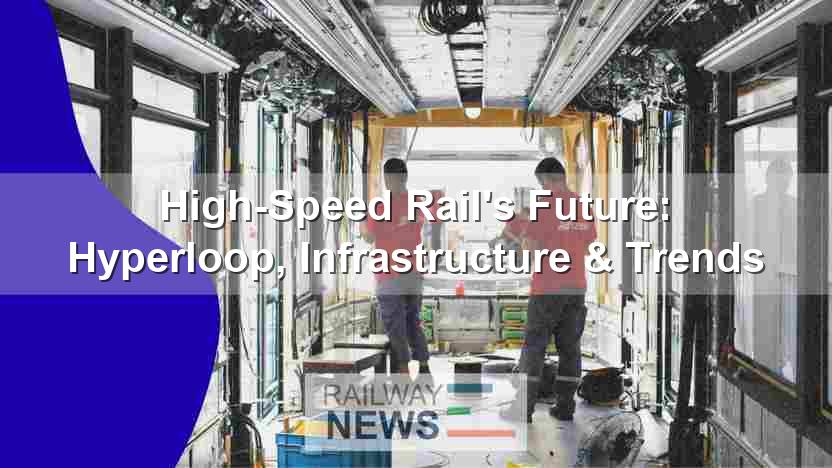
The evolution of high-speed rail is a captivating narrative of technological advancement, infrastructure development, and societal transformation. This article explores the intricate landscape of high-speed rail, exploring the significant hurdles and promising avenues that shape its future. From the optimization of existing systems to the exploration of futuristic concepts like the Hyperloop One Global Challenge, the industry faces a critical juncture demanding innovative solutions and strategic partnerships. This analysis examines the key components of high-speed rail infrastructure, its operational efficiency, and the challenges that must be addressed for sustainable growth. The potential impact on communities, economies, and the environment is also assessed. Ultimately, understanding these facets is crucial for envisioning a future where high-speed rail plays a pivotal role in modern transportation networks.
The Infrastructure Imperative
High-speed rail networks require substantial upfront investment in infrastructure, including dedicated trackways, signaling systems, and stations. Optimizing existing track layouts to accommodate higher speeds necessitates careful engineering analysis and potentially the implementation of advanced signaling technologies. This requires careful consideration of the existing infrastructure and the development of appropriate engineering strategies to upgrade the system while minimizing disruption. Additionally, the environmental impact of new rail lines and the potential displacement of existing communities must be factored into the planning process, emphasizing the need for environmental impact assessments and community engagement strategies.
Operational Excellence and Technological Advancement
Achieving optimal operational efficiency in high-speed rail systems necessitates meticulous planning and execution. This involves the implementation of advanced train control systems, optimized scheduling algorithms, and proactive maintenance strategies to mitigate disruptions. Additionally, seamless integration with other modes of transport – such as airports and bus terminals – is essential for enhanced accessibility and user experience. Technological advancements, including AI-powered predictive maintenance and dynamic route optimization, are poised to revolutionize operations and further enhance efficiency. The implementation of advanced train control systems, such as Positive Train Control (PTC), is crucial for safety and reliability. The development of innovative maintenance strategies that utilize data analytics and predictive modeling is also essential for reducing downtime and improving the overall performance of the system.
The Intermodal Perspective: Bridging the Gap Between Modes
High-speed rail’s effectiveness is significantly amplified by its integration with other transportation modes. This intermodal perspective encompasses seamless ticketing and connections with airports, bus terminals, and other rail systems. Such integrated systems create detailed travel options for passengers, expanding accessibility to destinations and streamlining the overall travel experience. This integration is crucial for attracting and retaining customers by offering more detailed travel solutions. A well-designed intermodal strategy can reduce travel time and improve overall efficiency for passengers.
The Future is Now: The Hyperloop One Global Challenge and Beyond
The Hyperloop One Global Challenge represents a bold vision for high-speed travel, pushing the boundaries of rail transportation and inspiring innovation. While still in its developmental stages, the prospect of hyper-speed travel holds enormous potential to revolutionize long-distance travel, potentially connecting cities and regions previously inaccessible. We need to consider the significant investment required, the novel infrastructure demands, and the potential environmental impact of these systems. The development of high-speed rail systems, while presenting significant opportunities, also faces considerable challenges concerning financial viability, regulatory hurdles, and community acceptance.
Conclusion
The future of high-speed rail hinges on a delicate balance of technological advancements, strategic infrastructure planning, and community engagement. This analysis highlights the critical role of operational excellence in optimizing efficiency and safety, emphasizing the need for robust maintenance strategies and advanced control systems. Additionally, a holistic approach encompassing intermodal integration is crucial for creating a detailed and user-friendly travel experience. Addressing potential environmental concerns through sustainable practices and community engagement is paramount for long-term success. The challenges of financial viability, regulatory frameworks, and community acceptance must be proactively addressed. The Hyperloop One Global Challenge exemplifies the bold vision for future travel, while the lessons learned from projects like RailRunner Europe (a failed attempt at a specific intermodal rail system) can inform current and future initiatives. Ultimately, high-speed rail’s future success rests on the ability to navigate these challenges effectively and harness the transformative potential that this mode of transport presents. Only then can we unlock the true transformative potential of high-speed rail in shaping a more interconnected and efficient world.
You might be interested in:
Last January 2019, we published an article about the collapse of RailRunner Europe and the lessons learned about intermodal rail vulnerabilities. Click here to read – RailRunner Europe’s Demise: Lessons in Intermodal Rail

Railway infrastructure, rolling stock and transport technologies specialist focused on global rail industry developments, high-speed rail systems, signaling technologies and freight transportation. Covering railway investments, public transport modernization, rail operations and international mobility projects across Europe, Asia and North America.
RELATED POSTS

October 8, 2026 1:15 pm
Alstom secured a €1bn contract to build 13 automated trains,...

October 1, 2026 7:09 am
United States regulators confirmed a September 30 deadline for the...

October 8, 2026 12:18 pm
Siemens Mobility signed an agreement with VinSpeed to supply 350...

October 4, 2026 5:14 pm
Alstom secured a CA$4.7 billion order from VIA Rail Canada...

October 5, 2026 6:12 pm
AECOM and Jacobs secured a contract in September 2026 to...

October 1, 2026 12:13 am
Illinois approved $1.5 billion annually for the Northern Illinois Transit...