
Green Rail Revolution: GBRf’s Sustainable Locomotives
This article highlights GB Railfreight’s recent investments in low-emission shunting locomotives and mainline locomotives, showcasing a significant step towards decarbonizing the UK steel supply chain with Zephir ‘LOK 16.300’ shunters at CELSA Steel UK and introducing Class 99 locomotives for greener mainline operations.
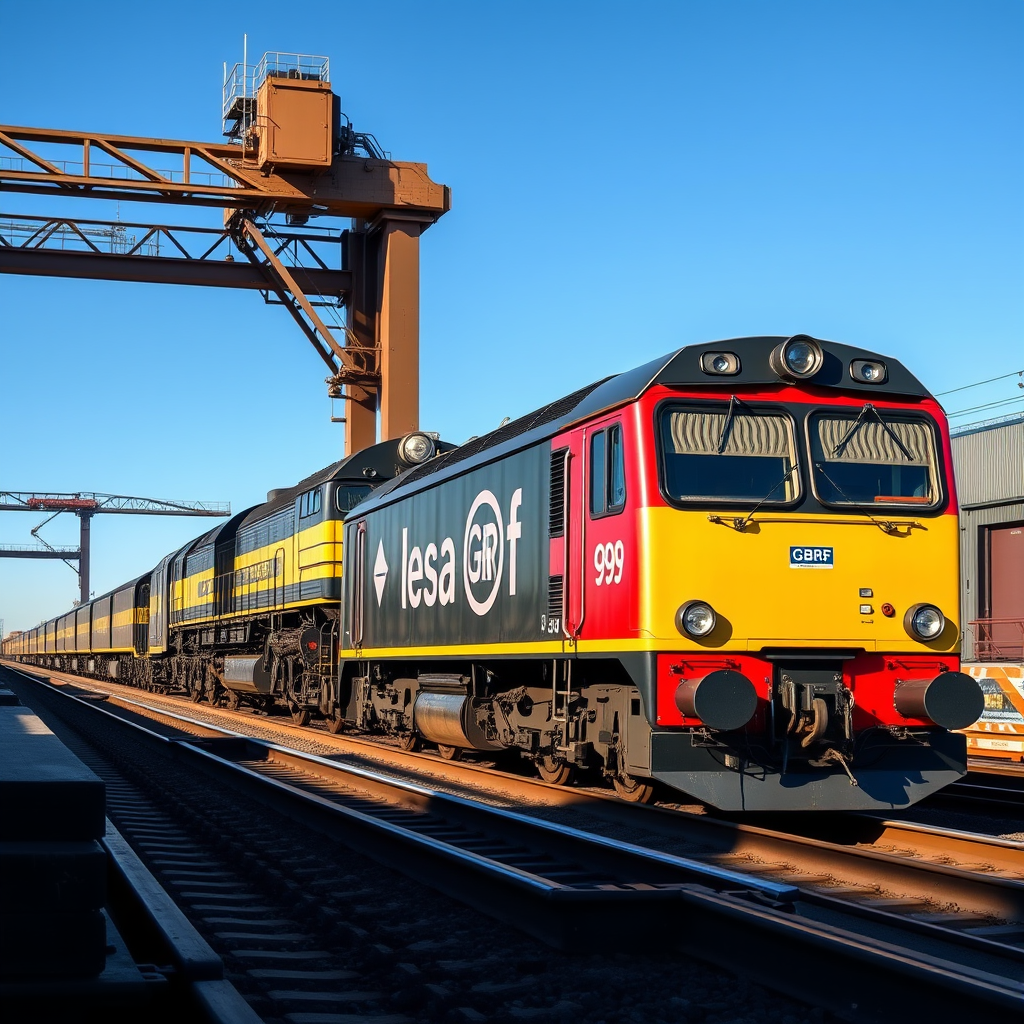
This article explores the significant advancements in sustainable rail freight operations, focusing on GB Railfreight’s (GBRf) recent investments in low-emission shunting locomotives and mainline locomotives. The deployment of three new Zephir ‘LOK 16.300’ shunters at CELSA Steel UK’s Cardiff facility marks a pivotal step towards decarbonizing the UK’s steel supply chain. This initiative, coupled with GBRf’s introduction of the Class 99 locomotive, showcases the industry’s commitment to reducing its environmental impact. The article will examine the technological advancements behind these new locomotives, their contribution to emission reduction targets, and the broader implications for the future of sustainable rail freight. We will delve into the operational benefits of these new locomotives, analyzing their efficiency and impact on the overall logistics of steel transportation. Additionally, we will examine the social engagement aspects of this project, exploring how community involvement contributes to sustainability initiatives within the rail sector. Finally, we will discuss the wider strategic implications of these advancements for the future of the UK railway industry and sustainable supply chain management.
The Zephir ‘LOK 16.300’ Shunters: A Case Study in Sustainable Shunting
The introduction of three Zephir ‘LOK 16.300’ shunters (small locomotives used for maneuvering within yards and depots) at CELSA Steel UK represents a substantial leap forward in sustainable shunting operations. These locomotives, owned by Porterbrook Leasing Company, are designed for efficient and low-emission transportation of steel billets from the electric arc furnace to the rolling mills. The anticipated 40% reduction in emissions compared to older models is a direct result of advanced engine technology and optimized operational procedures. This reduction is crucial given the high volume of steel movements within the facility and its contribution to the overall carbon footprint of the steel production process. The use of these shunters highlights the increasing integration of sustainable technologies in the day-to-day operations of heavy industries.
The Class 99 Locomotive: Driving Towards a Greener Mainline Future
GBRf’s Class 99 locomotive represents a further commitment to sustainable mainline operations. Scheduled for service in late 2025, this locomotive is designed to run exclusively on electricity or renewable fuels such as Hydrotreated Vegetable Oil (HVO). This dual-fuel capability allows it to operate across both electrified and non-electrified sections of the UK rail network, offering unparalleled flexibility and significantly reducing reliance on fossil fuels. The projected emission reduction of at least 58% underscores the potential for significant environmental gains in mainline freight operations. The introduction of this locomotive signals a paradigm shift in the approach to long-haul freight, emphasizing the viability and practicality of sustainable alternatives in the railway industry.
Investing in Infrastructure: The Tonbridge Maintenance Facility
GBRf’s investment in a new £2.5 million maintenance facility in Tonbridge further demonstrates its dedication to sustainability. This facility, inaugurated in September 2024, is designed to improve locomotive maintenance efficiency and reduce carbon emissions associated with vehicle transportation. By centralizing maintenance operations and adopting environmentally friendly practices, GBRf aims to optimize its operational efficiency and minimize its environmental footprint. This investment highlights the importance of infrastructure development in supporting sustainable rail operations, emphasizing that reducing emissions is not solely about the rolling stock, but also encompasses the entire operational ecosystem.
Community Engagement and the Future of Sustainable Rail
The naming competition for the Zephir shunters exemplifies GBRf’s commitment to community engagement and corporate social responsibility. This initiative not only fosters public awareness of sustainability initiatives but also generates funds for charitable causes. CELSA Steel UK’s participation underscores the collaborative nature of sustainable business practices. This approach transcends purely technological advancements; it highlights the importance of community involvement and shared responsibility in driving the transition towards a greener future. This holistic approach, combining technological innovation with public engagement, serves as a model for other industries seeking to integrate sustainability into their core business strategies.
Conclusions
The initiatives undertaken by GB Railfreight, particularly the introduction of the Zephir ‘LOK 16.300’ shunters and the Class 99 locomotive, represent significant milestones in the pursuit of sustainable rail freight. The projected emission reductions, ranging from 40% for the shunters to at least 58% for the Class 99 locomotives, are substantial and demonstrate the tangible impact of investing in cleaner technologies. The investment in the Tonbridge maintenance facility further emphasizes the integrated approach to sustainability, focusing not only on the locomotives themselves but also on the supporting infrastructure. The community engagement aspect of the project underscores the importance of collaborative efforts in achieving environmental goals. These advancements highlight the growing potential of rail freight to play a pivotal role in decarbonizing the UK’s supply chains and achieving broader sustainability targets. The success of these initiatives will depend on continued investment in research and development, robust regulatory support, and a broader commitment from both the industry and the government. The future of sustainable rail relies on this holistic approach, combining technological innovation with strategic infrastructure development and active community engagement. The model established by GBRf offers a blueprint for other rail operators and industries seeking to reduce their environmental impact and contribute to a greener future.

Railway infrastructure, rolling stock and transport technologies specialist focused on global rail industry developments, high-speed rail systems, signaling technologies and freight transportation. Covering railway investments, public transport modernization, rail operations and international mobility projects across Europe, Asia and North America.
RELATED POSTS

October 8, 2026 1:15 pm
Alstom secured a €1bn contract to build 13 automated trains,...

October 1, 2026 7:09 am
United States regulators confirmed a September 30 deadline for the...

October 4, 2026 5:14 pm
Alstom secured a CA$4.7 billion order from VIA Rail Canada...

October 8, 2026 12:18 pm
Siemens Mobility signed an agreement with VinSpeed to supply 350...

October 5, 2026 6:12 pm
AECOM and Jacobs secured a contract in September 2026 to...

October 4, 2026 11:08 pm
Sound Transit confirmed the September 30 opening of Seattle Pinehurst...