
Greece’s High-Speed Rail Revolution: Alstom Pendolinos Arrive
The delivery and refurbishment of five refurbished Alstom ETR470 Pendolino trains marks a pivotal moment in Greece’s modernization of its railway infrastructure, enhancing passenger experience, operational efficiency, and positioning the country as a leader in regional high-speed rail transportation.
Introduction
This article examines the modernization of Greece’s railway infrastructure through the delivery and refurbishment of high-speed trains, focusing on the significant impact of this project on passenger experience, operational efficiency, and the overall advancement of the Greek railway system. The arrival of five refurbished Alstom ETR470 Pendolino trains marks a pivotal moment in Greek rail transport, signifying a transition towards faster, more comfortable, and technologically advanced services. The project encompasses not only the refurbishment of rolling stock but also the modernization of the Thessaloniki depot, showcasing a holistic approach to improving the national rail network. This upgrade represents a substantial investment aimed at enhancing passenger satisfaction, reducing travel times between major cities like Athens and Thessaloniki, and ultimately positioning Greece as a leader in regional high-speed rail transportation. We will delve into the technical specifications of the upgraded trains, the strategic implications for Trainose (the Greek national railway company), and the broader context of Alstom’s global contributions to high-speed rail technology.
High-Speed Rail Arrives in Greece
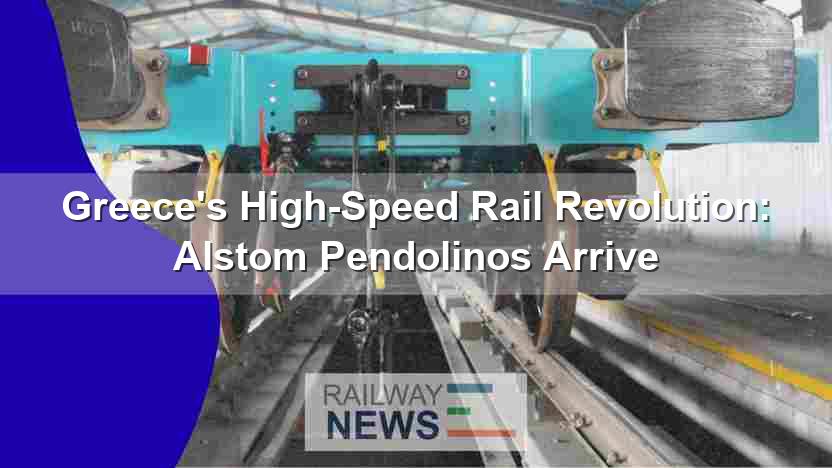
The delivery of the first refurbished ETR470 Pendolino (a type of tilting train designed for high-speed operation on non-high-speed lines) to Trainose marks the dawn of a new era for Greek passenger rail. This €40 million project, executed by Alstom, involves the complete refurbishment of five existing trains and the modernization of the Thessaloniki depot. This detailed approach is crucial for ensuring seamless integration of the new high-speed services. The upgrade includes the implementation of modern passenger amenities such as Wi-Fi connectivity and advanced passenger information systems. Crucially, the trains have been upgraded to utilize the European Train Control System (ETCS) Level 2, a vital upgrade for interoperability and enhanced safety, and are now capable of operating under a 25 kV catenary system, a standard electrification voltage.
Technological Advancements and Operational Efficiency
The refurbishment process, undertaken at Alstom’s Savigliano site, represents a significant technological leap for the Greek rail network. The implementation of ETCS Level 2 (European Train Control System) significantly improves safety and efficiency by allowing for automatic train protection and optimized train spacing. This move towards modern signaling technology is not only crucial for safety but also essential for maximizing the operational capacity of the railway lines. The adoption of 25 kV electrification (a higher voltage system) allows for increased power output, potentially leading to higher speeds and improved performance capabilities of the Pendolino trains. The integration of Wi-Fi and modern passenger information systems demonstrates a clear commitment to enhance the passenger experience and improve customer satisfaction, contributing to a more appealing and convenient mode of transport.
Strategic Implications for Trainose and the Greek Economy
The introduction of high-speed rail services between Athens and Thessaloniki is part of Trainose’s broader strategic vision to improve the quality of service and reduce travel times on key routes. The upgraded Thessaloniki depot, a key component of this project, strengthens the company’s operational capabilities and positions it as a modern, high-tech rail operator within Southeast Europe. The economic benefits extend beyond mere infrastructure improvements. Faster travel times lead to reduced transportation costs for both passengers and businesses, boosting economic activity and potentially attracting increased tourism. This investment in infrastructure also creates jobs, both during the refurbishment process and in the subsequent operation and maintenance of the high-speed rail network.
Conclusion
The delivery of the first refurbished Alstom ETR470 Pendolino train to Greece signifies a major step forward for the nation’s railway system. The €40 million project, encompassing train refurbishment and depot modernization, represents a significant investment in enhancing both passenger experience and operational efficiency. The upgrade of the trains to incorporate ETCS Level 2 (European Train Control System), 25 kV electrification, and advanced passenger amenities demonstrates a commitment to modernizing the Greek rail network. This modernization not only improves travel times between major cities but also aligns Greece with European standards for high-speed rail operations, fostering interoperability and contributing to a more integrated European transportation system. The strategic implications for Trainose are substantial, positioning the company as a leading rail operator in Southeast Europe. Additionally, the economic impact is far-reaching, stimulating economic activity, attracting tourism, and creating jobs. The successful implementation of this project serves as a model for future railway modernization efforts in Greece and the wider region, showcasing the transformative potential of high-speed rail in driving economic growth and improving connectivity. The seamless integration of these advanced trains highlights a significant achievement in Greece’s infrastructural development and paves the way for a more efficient, modern, and competitive transportation sector.

Railway infrastructure, rolling stock and transport technologies specialist focused on global rail industry developments, high-speed rail systems, signaling technologies and freight transportation. Covering railway investments, public transport modernization, rail operations and international mobility projects across Europe, Asia and North America.
RELATED POSTS

October 1, 2026 7:09 am
United States regulators confirmed a September 30 deadline for the...

October 8, 2026 1:15 pm
Alstom secured a €1bn contract to build 13 automated trains,...

October 4, 2026 5:14 pm
Alstom secured a CA$4.7 billion order from VIA Rail Canada...
October 1, 2026 10:14 am
HS2 installed a 55-metre steel span in Birmingham, completing phase...

October 4, 2026 11:08 pm
Sound Transit confirmed the September 30 opening of Seattle Pinehurst...

October 5, 2026 6:12 pm
AECOM and Jacobs secured a contract in September 2026 to...