
Global Rail Security: Future Trends & CBTC Integration
Transforming railway infrastructure with cutting-edge technology and robust security protocols. Discover how CBTC and advanced sensors are revolutionizing rail operations.
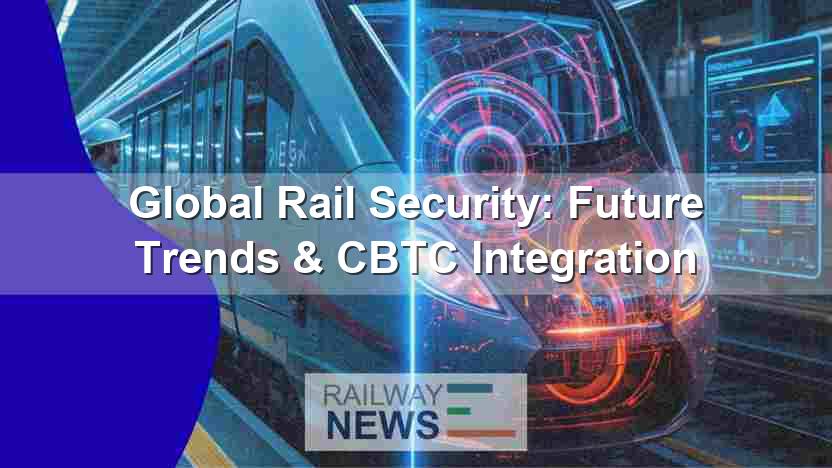
The railway industry is undergoing a profound transformation, driven by technological advancements and the increasing need for robust security measures. This article examines the evolving landscape of railway infrastructure, exploring the integration of cutting-edge technologies, the crucial role of security protocols, and the broader implications for the future of rail travel. From streamlined operations to enhanced passenger experience, this analysis dissects the key components shaping the modern railway system.
The growth of global trade and the rising demand for efficient transportation solutions have placed renewed emphasis on the development and modernization of rail networks worldwide. Countries are investing heavily in upgrading existing tracks, stations, and rolling stock, while also pursuing ambitious new railway projects. These initiatives are not just about enhancing the speed and capacity of rail transport, but also about incorporating innovative technologies to optimize the entire operation, from management to maintenance and passenger experience. This transformation is driven by the need to not only improve efficiency and reduce costs but also to enhance safety and enhance security against a wide array of potential threats.
Modernizing Trackside Infrastructure
The modernization of railway infrastructure encompasses significant improvements beyond simply replacing old tracks and signals. Precision engineering techniques are employed to ensure alignment accuracy and track stability, a crucial factor in maximizing train speeds and minimizing operational disruptions. This precision is aided by advanced surveying technologies and sophisticated data analysis methodologies. Integrating automation and sensor technologies into trackside infrastructure is also essential for proactive maintenance and to minimize unexpected disruptions. For instance, sensor networks can monitor track conditions in real-time, allowing for timely repairs and preventing potentially catastrophic failures.
Advanced Train Control Systems
Advanced train control systems are revolutionizing railway operations. The implementation of Communication-Based Train Control (CBTC) systems allows for more efficient train spacing and smoother acceleration and deceleration, increasing capacity and reducing travel time. These systems not only enhance safety but also contribute to operational efficiency. Additionally, the integration of digital technologies enables real-time monitoring of train performance and track conditions, facilitating proactive maintenance and optimizing the overall operational efficiency of the entire rail system. This also encompasses the management of passenger flows and resource allocation.
Cybersecurity: A Critical Component
As railway systems become increasingly digitized, the need for robust cybersecurity measures is paramount. The integration of interconnected systems, from signalling and control to passenger information systems, creates potential vulnerabilities that must be addressed. Cyberattacks targeting railway infrastructure could have devastating consequences, disrupting operations, jeopardizing safety, and causing significant financial losses. Implementing advanced security protocols and rigorous risk assessments are critical to mitigating these risks. A detailed approach to cybersecurity, involving regular security audits and staff training, is essential for maintaining the integrity and security of the railway system.
Conclusions: The Railway of the Future
The future of railway infrastructure hinges on a multifaceted approach encompassing technological advancements, robust cybersecurity measures, and a strong commitment to safety. Modernizing trackside infrastructure with advanced sensors and automation streamlines maintenance and enhances operational efficiency. Advanced train control systems, such as CBTC, optimize train operations and increase capacity while prioritizing passenger safety. Critically, the integration of GWR cyber security services, along with other advanced security protocols, safeguards the network against potential cyber threats. Railway systems must adapt to the evolving cyber landscape. This involves adopting a proactive and multifaceted strategy incorporating advanced threat detection, data encryption, and security awareness programs for all stakeholders, from rail staff to passengers. Implementing these measures is essential to ensure continued passenger safety and operational reliability. Ultimately, the evolution of railway infrastructure will pave the way for a more connected, efficient, and secure transportation system. The combined impact of technological advancements, coupled with robust security measures, will redefine the passenger experience and enable future generations of travellers to enjoy safer and more comfortable journeys. Continuous innovation and collaboration between railway operators, technology providers, and regulatory bodies are pivotal in ensuring the success of this ongoing transformation.
You might be interested in:
Last April 2019, we delved into the massive Sri Lankan Matara-Beliatta railway project. Click here to read – Sri Lanka’s Matara-Beliatta Railway: Expansion & Impact

Railway infrastructure, rolling stock and transport technologies specialist focused on global rail industry developments, high-speed rail systems, signaling technologies and freight transportation. Covering railway investments, public transport modernization, rail operations and international mobility projects across Europe, Asia and North America.
RELATED POSTS

October 1, 2026 7:09 am
United States regulators confirmed a September 30 deadline for the...

October 8, 2026 1:15 pm
Alstom secured a €1bn contract to build 13 automated trains,...

October 4, 2026 5:14 pm
Alstom secured a CA$4.7 billion order from VIA Rail Canada...

October 8, 2026 12:18 pm
Siemens Mobility signed an agreement with VinSpeed to supply 350...

October 1, 2026 12:13 am
Illinois approved $1.5 billion annually for the Northern Illinois Transit...

October 6, 2026 2:14 am
Union Pacific launched export rail shipments with Ferromex to deliver...