
Cyprus Revives Rail: EU Presidency Drives Historic Project
Cyprus spearheads its railway relaunch, dormant since 1951, leveraging EU Presidency for strategic transport, military mobility, and industrial autonomy.
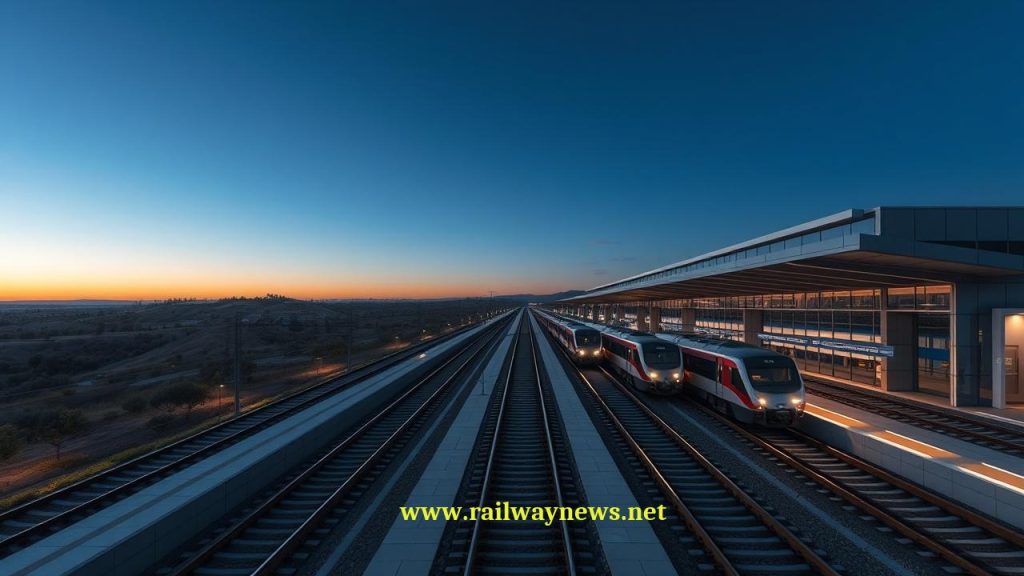
Cyprus is leveraging its Presidency of the Council of the European Union to spearhead the revival of its national railway, dormant for over 75 years, in a move that could reshape both local connectivity and the EU’s strategic transport corridors. This ambitious initiative is part of a broader push to fortify the European rail sector’s resilience, security, and industrial autonomy through key policy reforms.
| Category | Details |
|---|---|
| Project Initiative | Relaunch of Cyprus’s national passenger and freight rail network. |
| Historical Context | First national rail services since the original network ceased operations in 1951. |
| Strategic Goals | Enhance freight-to-port logistics, military mobility, and EU transport network resilience. |
| Funding Precedent | EU’s €175.6M investment package for Montenegro’s rail modernization serves as a potential model. |
| Key EU Policy Dossiers | Revision of Public Procurement Directive, acceleration of ERTMS, implementation of Military Mobility Package. |
During its term leading the EU Council, the Cypriot Presidency has a historic opportunity to initiate the planning phase for a modern rail system on the island. The proposal aims to re-establish both passenger and freight services for the first time since 1951, a move poised to significantly enhance domestic transport and bolster the island’s economic links. The project has already garnered high-level endorsement from Apostolos Tzitzikostas, European Commissioner for Sustainable Transport and Tourism, who highlighted its strategic potential for strengthening Europe’s transport infrastructure, particularly for freight flows to key Mediterranean ports and international markets.
While specific technical details and costs for the Cypriot network remain in the planning stages, the EU’s recent commitment to rail modernization in the Balkans provides a clear financial and strategic blueprint. The European Union recently allocated a €175.6 million package to Montenegro to rebuild a 39km section of its network, combining a €112.6 million grant with loans from the European Investment Bank (EIB). This precedent demonstrates a tangible EU commitment to upgrading infrastructure to meet modern standards, enhance regional connectivity, and support accession paths—a model that Cyprus could emulate to secure funding and ensure its new network is fully integrated with continental standards.
Beyond its domestic project, the Cypriot Presidency is positioned to drive a critical agenda for the entire European rail industry. Building on the momentum from the Polish and Danish presidencies, which focused on competitiveness and cost reduction respectively, Cyprus is now tasked with advancing resilience and strategic autonomy. A key priority is the revision of the Public Procurement Directive, expected in the first half of 2026, with calls to allow member states to prioritize EU-manufactured railway products. This is coupled with a push to accelerate the deployment of the European Rail Traffic Management System (ERTMS) and fully implement the Military Mobility Package, ensuring Europe’s rail infrastructure is harmonized for dual civil-military use and secure against emerging threats.
Key Takeaways
- Historic Revival: Cyprus is set to begin planning the relaunch of its national railway, which has been defunct since 1951, using its EU Council Presidency as a catalyst.
- Strategic EU Importance: The project is framed as a vital component for strengthening EU supply chain resilience, improving freight connections to ports, and enhancing military mobility in the Eastern Mediterranean.
- Driving Policy Reform: Cyprus will lead crucial EU-wide discussions on revising public procurement rules to favour European industry, accelerating ERTMS deployment, and simplifying regulations to reduce costs.
Editor’s Analysis
The proposed revival of Cyprus’s railway is more than a national infrastructure project; it is a clear signal of the EU’s post-pandemic strategic pivot towards greater self-reliance and integrated security. By linking the project to broader themes of military mobility and industrial autonomy, Cyprus is positioning its railway as a key asset in the EU’s geopolitical toolkit. The push to reform public procurement to favour EU manufacturers is a direct response to intense global competition, particularly from state-subsidized entities in Asia, and reflects a growing consensus that critical infrastructure must be secured with trusted technology. This initiative, if successful, will serve as a powerful case study for how targeted infrastructure investment can simultaneously deliver local economic benefits and advance the continent’s overarching strategic objectives.
Frequently Asked Questions
- Why is Cyprus considering relaunching its railway network now?
- The confluence of its EU Council Presidency, which provides significant political leverage, and a heightened EU-wide focus on supply chain security, strategic autonomy, and military mobility has created a unique opportunity to advance the long-dormant project.
- What is ERTMS and why is it a priority?
- ERTMS stands for the European Rail Traffic Management System. It is a unified command-and-control and signalling system designed to replace legacy national systems across Europe. Its implementation is critical for creating a seamless, interoperable, and safer European rail network, enabling faster cross-border traffic for both commercial freight and military transport.
- How might the new Cypriot railway be funded?
- While a specific funding plan has not been announced, the project is likely to seek a blended financing model. A strong precedent is the EU’s recent €175.6 million investment in Montenegro’s rail system, which combined substantial EU grants with loans from development banks like the European Investment Bank (EIB), a model Cyprus could likely follow.

Railway infrastructure, rolling stock and transport technologies specialist focused on global rail industry developments, high-speed rail systems, signaling technologies and freight transportation. Covering railway investments, public transport modernization, rail operations and international mobility projects across Europe, Asia and North America.
RELATED POSTS

October 8, 2026 1:15 pm
Alstom secured a €1bn contract to build 13 automated trains,...

October 1, 2026 7:09 am
United States regulators confirmed a September 30 deadline for the...

October 4, 2026 5:14 pm
Alstom secured a CA$4.7 billion order from VIA Rail Canada...

October 8, 2026 12:18 pm
Siemens Mobility signed an agreement with VinSpeed to supply 350...

October 5, 2026 6:12 pm
AECOM and Jacobs secured a contract in September 2026 to...

October 6, 2026 2:14 am
Union Pacific launched export rail shipments with Ferromex to deliver...