
CN Rail Access Control: Future-Proofing Railway Security
Enhance railway security with advanced access control systems. These robust systems integrate cutting-edge tech, boosting operational efficiency and safeguarding assets. Discover how!
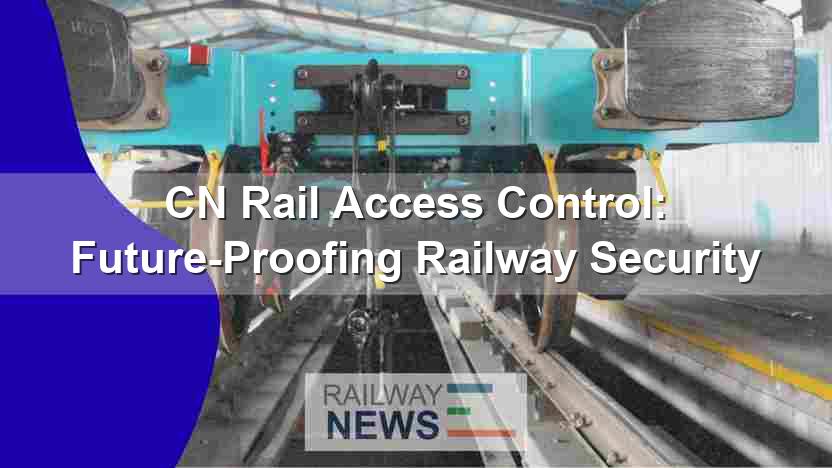
The seamless operation of modern railway networks hinges on robust security measures, particularly access control systems. These systems, crucial for regulating the flow of personnel and equipment across the railway infrastructure, are more than just entry points; they are the cornerstone of a safe, efficient, and secure rail network. This article explores the intricacies of railway access control systems, exploring their components, functionalities, and the critical role they play in maintaining operational integrity and preventing unauthorized access to sensitive areas within the rail corridor. We will examine the evolution of these systems, highlighting recent advancements and their impact on overall railway safety and security. This analysis will assess how effective access control systems contribute to maintaining compliance with industry standards and regulations, particularly concerning employee safety and asset protection. Finally, we will discuss the future of railway access control and the potential for integration with emerging technologies.
Modern Access Control Systems in Railways
Contemporary access control systems for railways encompass a diverse range of technologies. These systems move beyond simple physical barriers, integrating advanced technologies like biometric identification, radio frequency identification (RFID) tags, and even sophisticated video surveillance. These sophisticated measures drastically improve the efficiency of managing the flow of personnel and vehicles across critical areas of the railway network. Effective access control systems integrate with railway operations management software, enabling real-time tracking and monitoring of access privileges, further enhancing security and compliance with safety protocols. The data collected from these systems can be critical for investigations and incident analysis, thereby improving response time and preventing similar future occurrences.
The Importance of Integration and Interoperability
Robust access control systems are not stand-alone entities; they must seamlessly integrate with other railway operations management systems. The integration of access control with signaling, train control systems, and asset management platforms creates a unified view of the network. This interoperability is vital for ensuring real-time monitoring and response to potential security threats. A detailed system allows for centralized control over access permissions across the entire network, minimizing human error and streamlining security procedures. An example of how integration impacts CN Rail access control system performance is evident in the reduced response time during critical incidents due to improved communication between different systems.
Technological Advancements and Future Trends
Recent technological advancements have revolutionized railway access control systems. The implementation of smart cards and mobile access solutions provides enhanced convenience and security, streamlining the access process for authorized personnel and reducing potential security vulnerabilities. The integration of artificial intelligence (AI) and machine learning (ML) is expected to provide further enhancements in the future. These technologies can analyze large datasets of access logs and identify unusual patterns, allowing for more proactive security measures and potentially detecting security threats before they manifest. Additionally, predictive maintenance capabilities can be integrated into the access control system to anticipate potential failures and schedule maintenance accordingly. This intelligent foresight plays an integral role in mitigating downtime and preserving operational efficiency.
Conclusion: The Evolving Landscape of Railway Security
Railway access control systems are no longer simply about physical barriers; they are intricate, technologically advanced systems that are essential for the safety and efficiency of modern rail operations. The integration of various technologies, from biometrics to AI, has created a more robust and responsive security infrastructure. This modernization trend ensures that railway networks can adapt to the challenges of a dynamic security landscape, including maintaining compliance with strict regulatory standards and protecting against potential security threats. The ability of these systems to streamline access, track assets, and analyze security incidents ensures that railroads are not just transporting people and goods, but doing so in a secure and intelligent manner. A well-designed and implemented access control system ultimately impacts the overall profitability and efficiency of railway operations, by allowing railroads to leverage access control to improve operational efficiency, cut downtime, and minimize security risks. By strengthening these systems, railroads ensure the safety and well-being of their employees, protect valuable assets, and enhance the overall reliability of the rail network for the future. The advancements in railway technology, including intelligent access control systems like those used by CN Rail, significantly bolster the industry’s ability to respond swiftly and effectively to emerging security challenges. The evolution of these systems is a testament to the ongoing commitment of the industry to bolstering security and maintaining high standards of performance.
You might be interested in:
Last March 2019, we had a piece on Vivarail’s fast-charging system for battery trains. Click here to read – Vivarail’s 7-Minute Rail Revolution: Fast Charging for Class 230 Trains

Railway infrastructure, rolling stock and transport technologies specialist focused on global rail industry developments, high-speed rail systems, signaling technologies and freight transportation. Covering railway investments, public transport modernization, rail operations and international mobility projects across Europe, Asia and North America.
RELATED POSTS

October 8, 2026 1:15 pm
Alstom secured a €1bn contract to build 13 automated trains,...

October 1, 2026 7:09 am
United States regulators confirmed a September 30 deadline for the...

October 8, 2026 12:18 pm
Siemens Mobility signed an agreement with VinSpeed to supply 350...

October 4, 2026 5:14 pm
Alstom secured a CA$4.7 billion order from VIA Rail Canada...

October 5, 2026 6:12 pm
AECOM and Jacobs secured a contract in September 2026 to...

October 1, 2026 12:13 am
Illinois approved $1.5 billion annually for the Northern Illinois Transit...