
Chennai Metro Expands: New Trains, Tech & Efficiency
The Chennai Metro Rail (CMRL) has expanded its network with new metro trainsets delivered from Alstom’s facility in Andhra Pradesh, following rigorous testing to ensure safety and reliability before deployment.
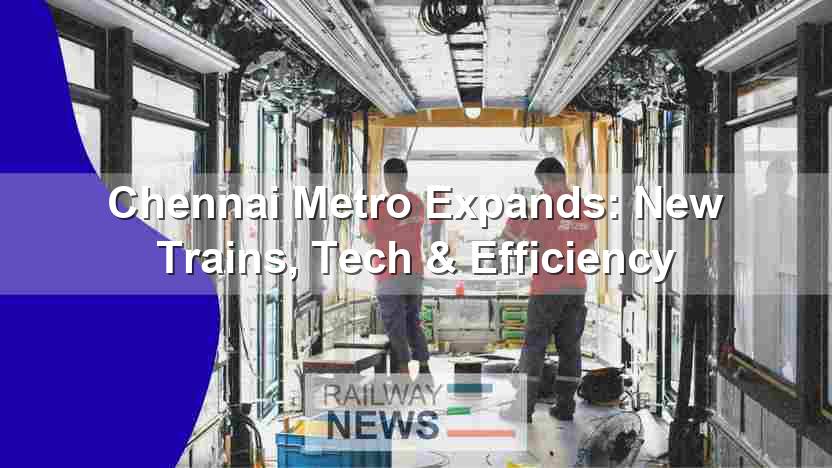
This article explores the significant expansion of the Chennai Metro Rail (CMRL) network, specifically focusing on the delivery of new metro trainsets and the technological advancements implemented to enhance operational efficiency and asset management. The Chennai Metro, a vital component of the city’s public transportation infrastructure, has undergone considerable growth. This expansion involves not only the physical extension of the rail lines but also the integration of cutting-edge technology to optimize performance and passenger experience. The arrival of new rolling stock represents a crucial step in increasing capacity and improving service reliability, while the implementation of advanced asset management systems promises to streamline maintenance and improve overall operational effectiveness. This examination will explore the specifics of the new trainsets, their testing and deployment, and the technological innovations enhancing the CMRL’s operational capabilities. We will analyze the implications of these developments for the city’s transportation future and discuss the broader context of urban rail expansion in India.
Arrival of New Metro Trainsets
The Chennai Metro Rail Limited (CMRL) has received three four-car metro trainsets from Alstom’s manufacturing facility located in Sri City, Andhra Pradesh. These trains are part of a larger order of ten trainsets, intended for service on Phase 1 of the metro’s extension, connecting Washermenpet and Wimco Nagar. Before delivery, these trainsets underwent rigorous testing procedures. This detailed testing regime included evaluations of car body dimensions, water tightness, static routine traction and braking systems performance, as well as other standard inspections. Further checks involved detailed examination of various aspects such as car-level dimensions, bogie testing, car water tightness, and train-level static electrical and mechanical testing. This stringent quality control ensures the safety and reliability of the new rolling stock before deployment into passenger service.
Testing and Commissioning
Following the manufacturer’s tests, the trainsets were transported to the Koyambedu depot for further evaluation. The Koyambedu depot and mainline facilitate both low-speed and high-speed routine testing prior to commencing passenger service. This multi-stage testing process ensures that the trains meet the stringent operational requirements of CMRL, guaranteeing the safety and reliability of the rail system for passengers. This rigorous testing protocol is a standard practice within the rail industry, vital for ensuring passenger safety and optimizing system performance.
Technological Advancements in Asset Management
Beyond the delivery of new rolling stock, CMRL has also adopted advanced technologies for asset management. The implementation of Trimble’s Nexala rail asset management solutions represents a significant step towards improved operational efficiency. This system incorporates the Trimble R2M (Real-Time Remote Diagnostics) system and the Trimble E2M (Engineering Rail Asset Management) system. These technologies provide CMRL with real-time data on fleet status, enhancing predictive maintenance and optimizing resource allocation. This technological integration allows for more proactive maintenance, reducing downtime and enhancing the overall reliability of the metro system. The system enables improved real-time status monitoring and analytical capabilities, ultimately contributing to a more efficient and cost-effective operation.
Expansion of the Chennai Metro Network
The completion of the 10km section of the Chennai Metro’s Blue Line marked a significant milestone in the project. With this addition, the entire 45km of Phase I of the Chennai Metro project became fully operational. This expansion significantly improved connectivity across the city, enhancing the public transport options available to Chennai residents. The integration of the new trainsets and advanced technologies into this expanded network will further improve service efficiency, passenger capacity, and overall operational reliability. The successful completion of Phase I sets the stage for future expansion plans, highlighting Chennai’s commitment to developing a modern and efficient public transportation system.
Conclusion
The delivery of new Alstom trainsets to the Chennai Metro Rail Limited marks a substantial step forward in the expansion and modernization of the city’s rail network. The rigorous testing procedures undergone by the trainsets, coupled with the implementation of advanced asset management systems provided by Trimble, demonstrate a commitment to safety, efficiency, and technological advancement. The successful integration of these new assets, along with the completion of Phase I of the project, signifies a notable achievement in urban rail development in India. The expansion of the network, coupled with the technological enhancements, substantially improves Chennai’s public transport infrastructure, enhancing connectivity, reliability, and passenger experience. The combination of modern rolling stock and sophisticated asset management systems positions the CMRL for continued growth and further expansion, paving the way for a more efficient and sustainable urban transportation future. This initiative not only serves as a model for other Indian cities but also showcases the increasing importance of investing in modern and technologically advanced public transit solutions to address the challenges of rapid urbanization. The success of the CMRL’s expansion and technological integration underscore the crucial role of innovative infrastructure development in improving urban mobility and enhancing the quality of life for residents.

Railway infrastructure, rolling stock and transport technologies specialist focused on global rail industry developments, high-speed rail systems, signaling technologies and freight transportation. Covering railway investments, public transport modernization, rail operations and international mobility projects across Europe, Asia and North America.
RELATED POSTS

October 8, 2026 1:15 pm
Alstom secured a €1bn contract to build 13 automated trains,...

October 1, 2026 7:09 am
United States regulators confirmed a September 30 deadline for the...

October 8, 2026 12:18 pm
Siemens Mobility signed an agreement with VinSpeed to supply 350...

October 4, 2026 5:14 pm
Alstom secured a CA$4.7 billion order from VIA Rail Canada...

October 5, 2026 6:12 pm
AECOM and Jacobs secured a contract in September 2026 to...

October 4, 2026 11:08 pm
Sound Transit confirmed the September 30 opening of Seattle Pinehurst...