
Austria’s Styria Rail Upgrade: €878M Green Initiative
The Styria Project represents Austria’s modernization of its railway network by electrifying and double-tracking the Werndorf – Spielfeld-Straß line, enhancing capacity and efficiency while reducing environmental impact through sustainable transportation. This initiative also includes a road bypass around Ehrenhausen to mitigate traffic congestion, showcasing a holistic approach to improving regional services and quality of life.
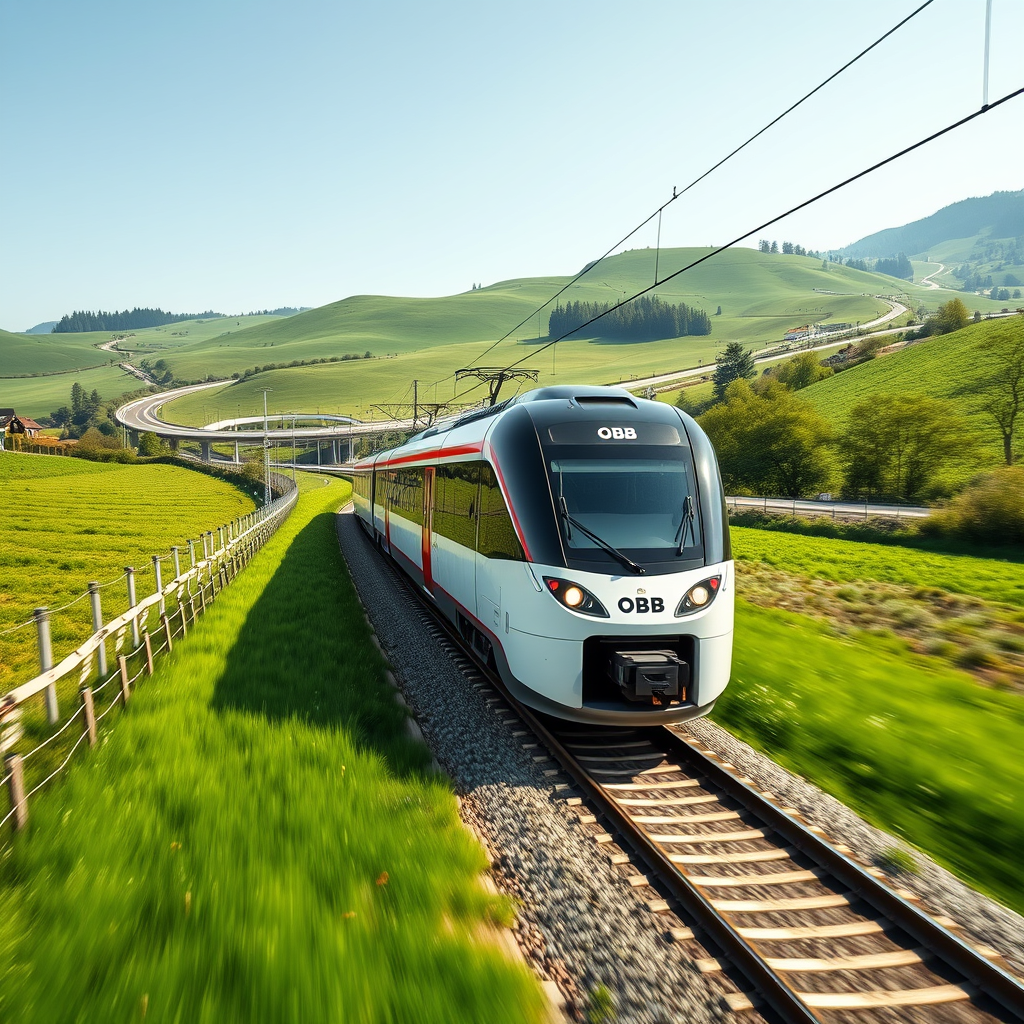
Modernizing Austria’s Railway Network: The Styria Project
This article explores the significant modernization project underway on Austria’s southern railway lines in the Styria region, focusing on the electrification and expansion of the Werndorf – Spielfeld-Straß line and the Radkersburger railway. This €878 million initiative, part of ÖBB’s (Austrian Federal Railways) broader five-year plan supported by a substantial €21.1 billion government investment, aims to drastically improve regional passenger services, reduce environmental impact, and enhance cross-border connectivity. The project is not merely an infrastructure upgrade; it represents a strategic shift towards sustainable and efficient transportation, prioritizing both passenger convenience and environmental responsibility. The detailed analysis that follows will delve into the engineering challenges, economic implications, and broader societal benefits of this ambitious undertaking.
Electrification and Double-Tracking: Enhancing Capacity and Efficiency
The core of the Styria project involves the complete electrification and double-tracking of the Werndorf – Spielfeld-Straß line. This upgrade is crucial for increasing the line’s capacity, allowing for more frequent and faster train services. Electrification eliminates the need for diesel locomotives, significantly reducing noise and air pollution along the route. The transition to electric traction directly addresses environmental concerns, contributing to Austria’s broader climate action goals. The implementation of double-tracking enhances operational efficiency by eliminating bottlenecks and allowing for smoother, more reliable train movements. This improved efficiency translates to faster journey times and a more reliable rail service for commuters and freight operators alike.
The Ehrenhausen Bypass: A Synergistic Approach to Urban Improvement
Simultaneously with the railway upgrades, a significant road bypass is being constructed around Ehrenhausen (B69). This bypass, a collaboration between ÖBB and the Styrian state government, serves as a crucial element in mitigating the potential negative impacts of increased rail traffic. By diverting road traffic away from the town center, the bypass dramatically reduces noise and air pollution, resulting in a considerable improvement in the quality of life for Ehrenhausen’s residents. This synergistic approach highlights the importance of considering the interconnectedness of transport systems and the need for integrated planning to maximize positive impacts and minimize disruptions.
Cross-Border Collaboration and Improved Regional Connectivity
The project extends beyond Austria’s borders, incorporating collaboration with the Slovenian railway network. This collaboration aims to streamline cross-border rail travel, significantly reducing travel time between Graz (Austria) and Maribor (Slovenia). The reduction in travel time enhances regional connectivity, fostering economic activity and facilitating cross-border cooperation. This aspect emphasizes the potential of railway infrastructure to transcend national boundaries, promoting economic integration and regional development.
Conclusion: A Vision for Sustainable Rail Transport
The modernization project in Styria represents a significant step towards a more sustainable and efficient railway system in Austria. The electrification and double-tracking of the Werndorf – Spielfeld-Straß line, coupled with the construction of the Ehrenhausen bypass and the enhanced cross-border connectivity, exemplifies a holistic approach to infrastructure development. The project’s anticipated reduction in CO2 emissions, improvements in air quality, and decreased travel times highlight its considerable environmental and socio-economic benefits. The €878 million investment demonstrates a strong commitment to modernizing the country’s rail network, fostering regional economic development, and advancing sustainable transportation solutions. The success of this Styria project serves as a model for future rail infrastructure projects, demonstrating the significant positive impact that strategic investment in rail transport can have on environmental sustainability, regional development, and the overall quality of life. The integration of road and rail improvements, coupled with international collaboration, showcases a detailed strategy for efficient and environmentally responsible transportation planning. This commitment to long-term, sustainable infrastructure development points towards a future where rail transport plays a central role in achieving climate goals and enhancing regional connectivity.

Railway infrastructure, rolling stock and transport technologies specialist focused on global rail industry developments, high-speed rail systems, signaling technologies and freight transportation. Covering railway investments, public transport modernization, rail operations and international mobility projects across Europe, Asia and North America.
RELATED POSTS

October 8, 2026 1:15 pm
Alstom secured a €1bn contract to build 13 automated trains,...

October 1, 2026 7:09 am
United States regulators confirmed a September 30 deadline for the...

October 4, 2026 5:14 pm
Alstom secured a CA$4.7 billion order from VIA Rail Canada...

October 8, 2026 12:18 pm
Siemens Mobility signed an agreement with VinSpeed to supply 350...

October 5, 2026 6:12 pm
AECOM and Jacobs secured a contract in September 2026 to...

October 4, 2026 11:08 pm
Sound Transit confirmed the September 30 opening of Seattle Pinehurst...