
Austria’s Pannonia Railway: A €4M Modernization
The €4 million modernization project of the Pannonia Railway line in Austria showcases a collaborative effort by ÖBB, Burgenland state, and municipalities to enhance accessibility, user experience, and overall infrastructure reliability through station upgrades and comprehensive track maintenance improvements.
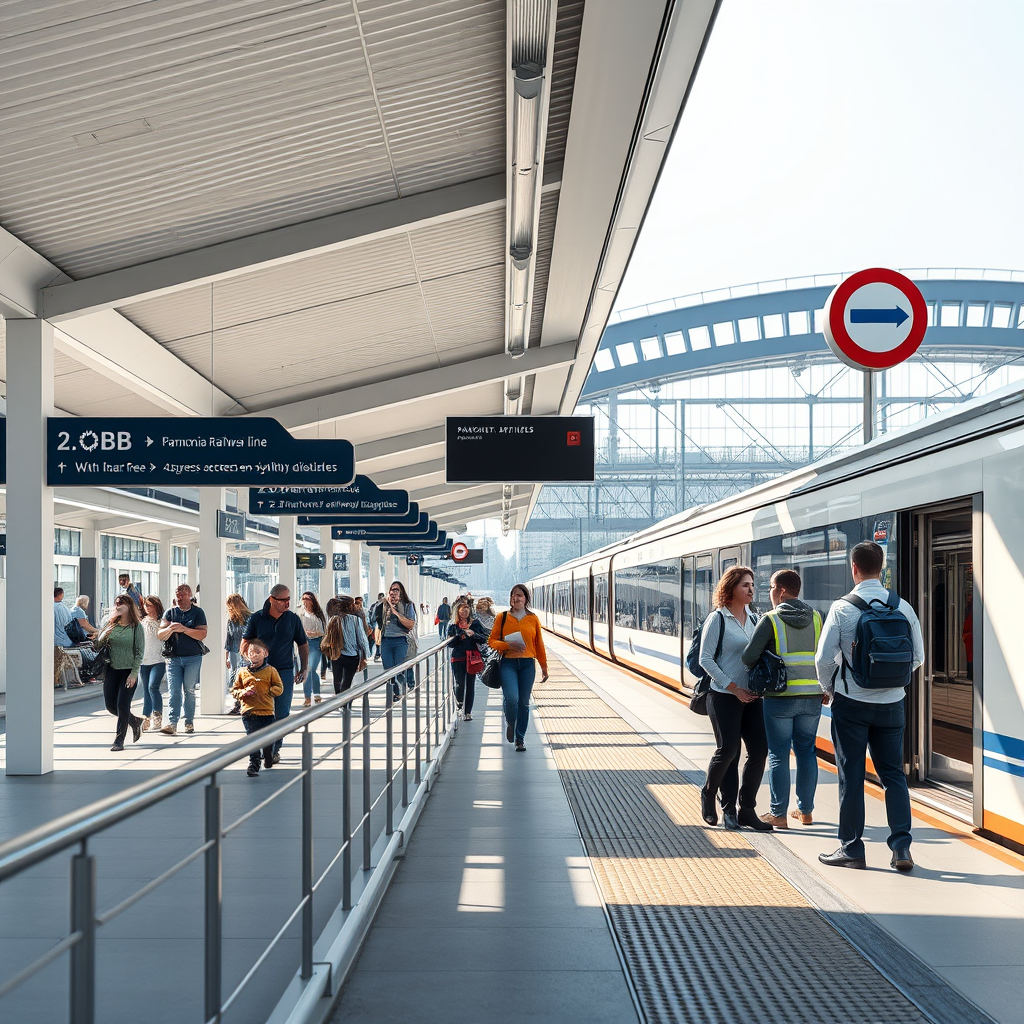
This article examines the €4 million ($4.4 million USD) modernization project undertaken by Österreichische Bundesbahnen (ÖBB) (Austrian Federal Railways) on four stations along the Pannonia Railway line in Austria. The project, a collaborative effort between ÖBB, the state of Burgenland, and local municipalities, showcases a commitment to enhancing passenger experience, accessibility, and overall infrastructure reliability. This initiative is not an isolated incident but rather exemplifies ÖBB’s broader strategy for modernizing Austria’s rail network. We will explore the scope of the Pannonia Railway station renovations, examining the specific improvements implemented, the logistical challenges involved, and the wider implications for Austrian railway infrastructure development and sustainable transport initiatives. Additionally, we will analyze the collaborative funding model and its potential for replication in similar projects, highlighting the importance of public-private partnerships in advancing rail modernization efforts.
Station Upgrades and Accessibility Enhancements
The core of the project focuses on upgrading four stations: Schützen am Gebirge, Donnerskirchen, Breitenbrunn, and Winden am See. These improvements extend beyond mere cosmetic enhancements. The focus is on creating a more accessible and user-friendly environment for all passengers. Key upgrades include the installation of barrier-free equipment to improve accessibility for passengers with disabilities, and the implementation of advanced guidance systems specifically designed to assist visually impaired passengers. This commitment to inclusivity highlights ÖBB’s dedication to providing equitable access to rail services for all members of society.
Infrastructure Improvements and Track Maintenance
Beyond accessibility improvements, the project encompasses significant infrastructure upgrades. All four stations will see the construction of new technical rooms, essential for maintaining the smooth operation of signaling and other critical systems. New platform roofs will enhance passenger comfort and protection from inclement weather. Existing platform equipment, lighting systems, and loudspeaker systems will also be replaced, ensuring modern and efficient functionality. Concurrently, ÖBB is undertaking track maintenance, including ballast bed compaction and track covering renewal on certain sections of the line. This maintenance is crucial for ensuring the long-term stability and safety of the railway line, reducing the risk of derailments and promoting efficient train operation. The planned temporary line closures during this work highlight the necessity of carefully managed maintenance schedules to minimize disruption to passenger services.
Project Timeline and Collaborative Funding
The project’s implementation showcases efficient project management. Work commenced at three stations on September 2nd, 2024, with Schützen am Gebirge following on September 30th. The completion date is scheduled for November 29th, 2024, demonstrating a relatively short but intensive period of work. The collaborative funding model is noteworthy. ÖBB shares the financial burden with the state of Burgenland and the individual municipalities served by each station. This model demonstrates a shared commitment to enhancing local infrastructure and demonstrates the benefits of synergistic collaboration between public and local entities. This approach ensures a more equitable distribution of costs and reinforces the importance of regional investment in improving rail transport capabilities.
Conclusion: A Blueprint for Future Rail Modernization
The ÖBB’s modernization of the Pannonia Railway line serves as a compelling example of how targeted investment can significantly enhance passenger experience, improve accessibility, and ensure the long-term sustainability of rail infrastructure. The project’s success hinges on several key elements: a clear focus on accessibility and user experience, detailed infrastructure improvements, a tightly managed timeline, and a collaborative funding model that shares responsibility among various stakeholders. The inclusion of essential track maintenance work demonstrates a holistic approach to railway management, prioritizing safety and operational efficiency alongside passenger comfort. The project’s swift completion highlights the effectiveness of ÖBB’s project management capabilities. The collaborative funding model provides a template for future rail infrastructure projects, promoting efficient resource allocation and fostering a sense of shared ownership among different levels of government and the railway operator. This approach is likely to be replicated on other lines, contributing significantly to the broader modernization of Austria’s railway network. The success of the Pannonia Railway project not only improves the rail experience for passengers in the Burgenland region but also establishes a demonstrable best practice for sustainable and inclusive rail infrastructure development, offering valuable insights for railway operators and policymakers worldwide striving to achieve similar improvements to their own rail networks. The emphasis on accessibility and the collaborative funding model are particularly valuable lessons learned, which should be considered and adopted in future infrastructure projects globally.

Railway infrastructure, rolling stock and transport technologies specialist focused on global rail industry developments, high-speed rail systems, signaling technologies and freight transportation. Covering railway investments, public transport modernization, rail operations and international mobility projects across Europe, Asia and North America.
RELATED POSTS

October 8, 2026 1:15 pm
Alstom secured a €1bn contract to build 13 automated trains,...

October 1, 2026 7:09 am
United States regulators confirmed a September 30 deadline for the...

October 4, 2026 5:14 pm
Alstom secured a CA$4.7 billion order from VIA Rail Canada...

October 8, 2026 12:18 pm
Siemens Mobility signed an agreement with VinSpeed to supply 350...

October 5, 2026 6:12 pm
AECOM and Jacobs secured a contract in September 2026 to...

October 4, 2026 11:08 pm
Sound Transit confirmed the September 30 opening of Seattle Pinehurst...