
AUH Airport Rail Link: Boosting GCC Connectivity
The strategic importance of connecting Zayed International Airport (AUH) to the Etihad Rail network in Abu Dhabi underscores its role as a key component for enhancing airport efficiency, accessibility, and sustainability, positioning AUH as a leading aviation hub in the region.
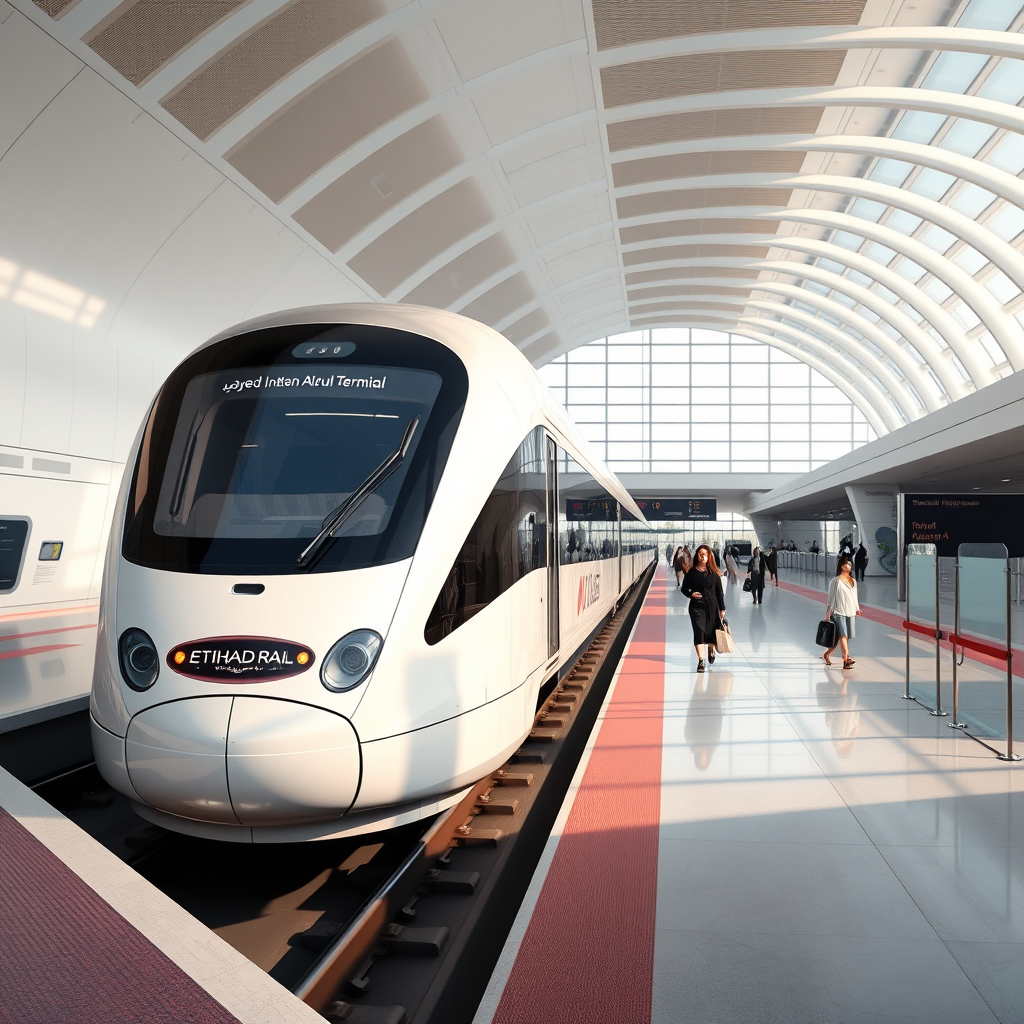
Improving Airport Connectivity Through Rail Integration: A Case Study of Zayed International Airport
This article explores the crucial role of rail integration in enhancing the connectivity and efficiency of modern airports, using the recent development at Zayed International Airport (AUH) in Abu Dhabi as a prime example. The opening of Terminal A in November 2023 at AUH signifies a significant expansion for the airport, aiming to accommodate increasing passenger traffic aligned with the UAE’s broader economic growth strategy. However, the success of this expansion hinges not only on the terminal itself but also on the seamless integration of AUH within the wider transportation network. This necessitates robust and efficient ground transportation options, with rail connectivity emerging as a vital component for improved accessibility, reduced congestion, and enhanced passenger experience. The planned connection to the Etihad Rail network represents a strategic move to address these challenges and position AUH as a leading aviation hub in the region. The following sections will delve deeper into the rationale behind this initiative, the technical considerations involved, and the broader implications for the UAE and the Gulf Cooperation Council (GCC) region.
The Strategic Importance of Rail Connectivity for AUH
The decision to connect Zayed International Airport to the Etihad Rail network (a national rail system in the UAE) is underpinned by a multi-faceted strategic vision. First, it addresses the growing need for efficient ground transportation to and from the airport. As passenger traffic increases, reliance on road transport alone becomes unsustainable, leading to traffic congestion and longer travel times. Rail transport provides a high-capacity, reliable, and relatively faster alternative. Second, rail connectivity directly supports the UAE’s broader economic development goals. By improving accessibility, the airport becomes more attractive to airlines and passengers alike, stimulating tourism and trade. Third, the connection aligns with sustainability initiatives by providing a less carbon-intensive mode of transportation compared to road-based options. The integration of rail transport contributes to a greener and more environmentally responsible approach to airport operations.
Technical Considerations and Infrastructure Development
The integration of AUH with Etihad Rail requires careful planning and execution to ensure seamless connectivity. This includes the design and construction of a dedicated rail link connecting the airport to the main Etihad Rail line, potentially involving the construction of new stations and platforms specifically designed for airport operations. This would require significant infrastructure investment, including track laying, signaling systems, and potentially the construction of elevated tracks to minimize disruption to existing road networks. Additionally, careful consideration must be given to passenger flow, integrating the rail station with the airport terminal to provide a smooth and user-friendly experience. Synchronization of schedules between rail and flight operations is crucial to avoid delays and ensure efficient transfers for passengers.
Etihad Rail and Regional Connectivity
Etihad Rail’s expansion is not limited to domestic connectivity. The network is designed to link the UAE with neighboring countries such as Saudi Arabia and Oman, creating a larger regional transportation network. This regional integration has significant implications for AUH. By connecting to Etihad Rail, the airport becomes a gateway not just for the UAE but also for the wider GCC region, facilitating international passenger and freight traffic. This boosts the region’s overall tourism appeal and economic competitiveness. The increased cross-border connectivity fosters closer economic ties and contributes to regional integration and economic growth within the GCC.
Conclusion
The planned connection of Zayed International Airport to the Etihad Rail network represents a forward-thinking approach to airport development, emphasizing efficient connectivity and regional integration. The project addresses the growing demand for improved ground transportation, promotes sustainability, and contributes to the UAE’s broader economic objectives. The technical challenges involved require careful planning and significant investment, but the potential benefits are substantial. The integration of AUH into the Etihad Rail network not only enhances the airport’s operational efficiency but also positions it as a key transportation hub within the GCC region, fostering regional economic growth and enhancing tourism potential. The success of this project hinges on effective collaboration between Abu Dhabi Airports, Etihad Rail, and other relevant stakeholders to ensure seamless integration and a positive passenger experience. The long-term vision extends beyond mere airport connectivity, representing a strategic investment in the UAE’s and the GCC’s overall transportation infrastructure and economic future, promoting sustainable growth and regional cooperation. The benefits extend to enhanced tourism, increased trade, and a more efficient and integrated transportation network across the region. This carefully considered development strategy highlights a proactive approach to address the challenges and capitalize on the opportunities presented by a rapidly evolving transportation landscape.

Railway infrastructure, rolling stock and transport technologies specialist focused on global rail industry developments, high-speed rail systems, signaling technologies and freight transportation. Covering railway investments, public transport modernization, rail operations and international mobility projects across Europe, Asia and North America.
RELATED POSTS

October 8, 2026 1:15 pm
Alstom secured a €1bn contract to build 13 automated trains,...

October 1, 2026 7:09 am
United States regulators confirmed a September 30 deadline for the...

October 8, 2026 12:18 pm
Siemens Mobility signed an agreement with VinSpeed to supply 350...

October 4, 2026 5:14 pm
Alstom secured a CA$4.7 billion order from VIA Rail Canada...

October 5, 2026 6:12 pm
AECOM and Jacobs secured a contract in September 2026 to...

October 4, 2026 11:08 pm
Sound Transit confirmed the September 30 opening of Seattle Pinehurst...