
Amtrak’s Acela: High-Speed Rail Revolution
The comprehensive testing and deployment of Amtrak’s new Acela trainsets in Colorado marks a pivotal phase for enhancing passenger comfort, increasing capacity, and improving sustainability, with the collaboration between Amtrak and Alstom driving modernized railway service improvements in the United States.
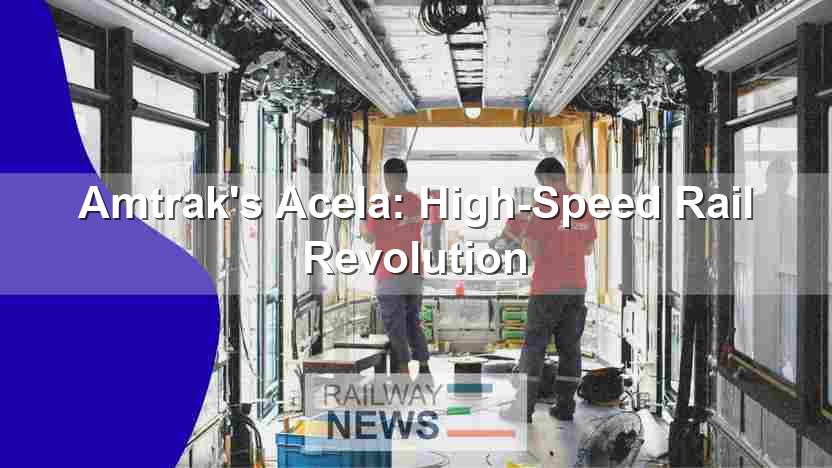
The following article explores the detailed testing and deployment of Amtrak’s new Acela trainsets, focusing on the crucial high-speed testing phase in Colorado and the subsequent integration into the Northeast Corridor (NEC) service. The introduction of these state-of-the-art trains represents a significant investment in improving passenger comfort, increasing capacity, and enhancing the overall sustainability of Amtrak’s operations. We will examine the rigorous testing procedures, the technological advancements incorporated into the new design, and the projected impact on Amtrak’s service and environmental footprint. The article will also explore the collaborative efforts between Amtrak and Alstom, highlighting the significance of this partnership in delivering a modernized and efficient railway service for passengers. The implications of these improvements for the future of high-speed rail in the United States will also be discussed.
High-Speed Testing in Colorado
The first of Amtrak’s 28 new Acela trainsets embarked on a crucial journey to the dedicated test track in Colorado on February 17, 2020, from the Alstom production facility in Hornell. This nine-month testing period is paramount to ensuring the safety and reliability of the new fleet. The testing encompasses a detailed range of dynamic assessments, including pantograph (the current collector on the roof of the train) performance, railway dynamics (interaction between train and track), tilting mechanisms (for enhanced curve negotiation), and traction system (the power transmission to the wheels) evaluation. Additionally, crucial safety systems like slip/slide protection (preventing derailment), braking performance, and train control management systems (TCMS) undergo rigorous examination.
Technological Advancements and Passenger Experience
The new Acela trains boast a 25% increase in passenger capacity compared to their predecessors while maintaining, and even exceeding, the high-end comfort standards of the existing Acela service. Modern amenities such as Wi-Fi connectivity, personal charging outlets (USB ports), and individual reading lights are integrated throughout the train. Sustainability is a key feature, with the use of recycled leather seating reflecting Amtrak’s commitment to environmentally responsible practices. These trains are designed to consume 40% less energy per passenger, significantly reducing Amtrak’s carbon footprint and promoting eco-friendly travel.
Integration into the Northeast Corridor
Following the completion of high-speed testing and the subsequent fitting of interiors at Alstom’s facility, the new Acela trainsets are slated for integration into the Northeast Corridor (NEC) service. Amtrak anticipates commencing operations with the new fleet in 2021. This deployment will mark a significant upgrade to the NEC, providing passengers with a demonstrably improved travel experience, increased capacity to meet growing demand, and a more sustainable mode of transportation. The successful implementation will serve as a model for future high-speed rail projects across the United States.
Amtrak and Alstom Collaboration
The successful development and deployment of the new Acela fleet is a testament to the effective collaboration between Amtrak and Alstom, the manufacturer of the trainsets. This partnership exemplifies the benefits of coordinated efforts between public transportation agencies and private sector companies in delivering innovative and high-quality rail infrastructure. The close cooperation between engineering teams, procurement specialists, and operational staff from both entities has been crucial in achieving the ambitious goals of this project, emphasizing the importance of effective inter-organizational communication and project management in complex rail infrastructure endeavors.
Conclusions
The introduction of Amtrak’s new Acela trainsets represents a significant advancement in high-speed rail travel in the United States. The rigorous high-speed testing program in Colorado ensures the safety and reliability of the new fleet before its deployment on the Northeast Corridor (NEC). The incorporation of advanced technologies, increased passenger capacity, improved comfort features, and sustainable design elements demonstrates a commitment to providing passengers with a superior travel experience while reducing the environmental impact of rail travel. The successful collaboration between Amtrak and Alstom showcases the potential for public-private partnerships to deliver large-scale infrastructure projects efficiently and effectively. The positive results of this endeavor will undoubtedly influence the future planning and implementation of similar high-speed rail initiatives nationally, setting a benchmark for the integration of innovative technologies and sustainable practices in passenger rail transportation. The successful completion of the testing phase and the subsequent integration of the new Acela fleet onto the NEC will not only enhance the passenger experience but also solidify Amtrak’s position as a leading provider of high-speed rail services in the United States. This project signifies a significant step towards a more efficient, sustainable, and comfortable rail transportation system, setting a precedent for future investments in the nation’s railway infrastructure.

Railway infrastructure, rolling stock and transport technologies specialist focused on global rail industry developments, high-speed rail systems, signaling technologies and freight transportation. Covering railway investments, public transport modernization, rail operations and international mobility projects across Europe, Asia and North America.
RELATED POSTS

October 8, 2026 1:15 pm
Alstom secured a €1bn contract to build 13 automated trains,...

October 1, 2026 7:09 am
United States regulators confirmed a September 30 deadline for the...

October 8, 2026 12:18 pm
Siemens Mobility signed an agreement with VinSpeed to supply 350...

October 4, 2026 5:14 pm
Alstom secured a CA$4.7 billion order from VIA Rail Canada...

October 5, 2026 6:12 pm
AECOM and Jacobs secured a contract in September 2026 to...

October 4, 2026 11:08 pm
Sound Transit confirmed the September 30 opening of Seattle Pinehurst...