
Alstom’s Constantine Tramway: Algeria’s Modern Rail
Alstom successfully completed the extension of the Constantine tramway line in Algeria, showcasing their comprehensive turnkey solutions for urban rail projects while contributing to Algeria’s expanding urban rail network.
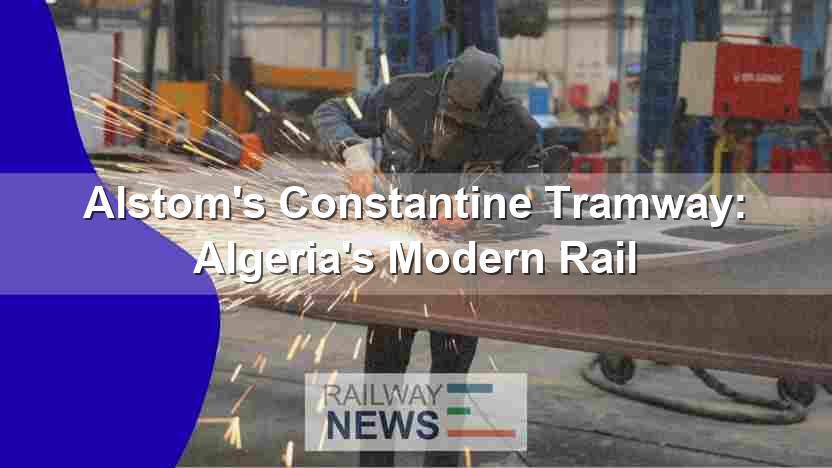
This article examines Alstom’s significant contributions to Algeria’s expanding urban rail network, specifically focusing on the recent completion and launch of the Constantine tramway extension. It will delve into the scope of Alstom’s involvement, highlighting the technological aspects of the project and placing this achievement within the broader context of Alstom’s extensive operations in Algeria and its ongoing global expansion in the rail sector. The analysis will explore the strategic implications of such large-scale infrastructure projects, considering their impact on urban development, economic growth, and the overall improvement of public transportation systems. Additionally, it will briefly touch upon Alstom’s concurrent activities in India, showcasing the company’s diverse portfolio and global reach within the increasingly competitive railway market. The overarching theme is the vital role of technology and international collaboration in the modernization and expansion of efficient, sustainable mass transit solutions.
The Constantine Tramway Extension: A Case Study in Modern Rail Infrastructure
Alstom, in partnership with Cosider Travaux Publics, successfully completed and launched the extension of the Constantine tramway line in Algeria. This 10.3km extension connects the Zouaghi station to the University Constantine 2 Abdelhamid Mehri in the new city of Ali Mendjeli, reducing travel time to 26 minutes. Alstom’s role extended beyond simply supplying equipment; they acted as the managing contractor, overseeing the project’s execution. This involvement encompassed the design, implementation, and integration of a detailed range of systems, including telecommunications, traction power systems (the electrical power supply to the trams), signaling (the system controlling train movements), ticketing systems, and the overhead lines (catenary system) that power the trams. This integrated approach showcases Alstom’s expertise in delivering complete, turnkey solutions for urban rail projects.
Alstom’s Broader Role in Algerian Rail Development
The Constantine tramway extension project is not an isolated event but rather a part of Alstom’s ongoing commitment to Algeria’s rail modernization. Alstom, through its joint venture Cital, is currently involved in numerous tramway projects across Algeria, including Oran, Constantine (prior to this extension), Ouargla, Sétif, and Sidi Belabes. This widespread involvement demonstrates Alstom’s significant contribution to expanding and improving Algeria’s urban transportation infrastructure, addressing the growing demand for efficient public transit within its major cities.
Technological Advancements and System Integration
The success of the Constantine tramway extension hinges on the seamless integration of various technological components. Alstom’s contribution included the implementation of sophisticated signaling systems ensuring safe and efficient train operations, reliable telecommunication networks for effective communication and control, and user-friendly ticketing systems enhancing passenger experience. The integration of these systems, requiring significant expertise in system engineering and project management, highlights the complex technical challenges overcome in delivering a functional and efficient tramway system. The successful dynamic testing phase before launch further underscores the meticulous attention to detail and rigorous quality control employed throughout the project.
Alstom’s Global Reach: India and Beyond
Alstom’s involvement in the Algerian rail sector is part of a broader strategy of global expansion. The company’s simultaneous pursuit of seven projects in India, valued at approximately $1.16 billion, demonstrates its capacity to handle large-scale projects across diverse geographical regions. These projects encompass the supply of rolling stock (trams and trains), signaling systems, and infrastructure solutions for metro rail systems in major Indian cities such as Delhi, Chennai, and Kolkata. The exploration of private train operations in partnership with IRCTC (Indian Railway Catering and Tourism Corporation) and Megha Engineering signals Alstom’s ambition to diversify its involvement in the Indian rail market, further solidifying its global presence.
Conclusions
Alstom’s successful completion of the Constantine tramway extension exemplifies the company’s capabilities in delivering complex, large-scale rail infrastructure projects. This project showcases their expertise in integrating advanced technologies to create efficient and reliable urban transport systems, significantly contributing to Algeria’s urban development. The company’s extensive involvement across numerous Algerian cities highlights their commitment to modernizing the country’s rail network and addressing its growing transportation needs. Further, Alstom’s simultaneous pursuit of substantial projects in India emphasizes the company’s global reach and ambition within the rail industry. The successful integration of diverse technologies in projects like the Constantine tramway extension, alongside the broader commitment to various rail projects in Algeria and beyond, demonstrates Alstom’s significant contribution to global sustainable transportation solutions. The company’s strategic partnerships, technological prowess, and commitment to delivering complete turnkey solutions position them as a key player in shaping the future of urban rail systems worldwide. The successful execution of these projects, coupled with ongoing explorations into new markets and partnerships, positions Alstom for continued growth and influence within the global rail sector, underscoring the crucial role of private investment and technological innovation in addressing the challenges of urban mobility.

Railway infrastructure, rolling stock and transport technologies specialist focused on global rail industry developments, high-speed rail systems, signaling technologies and freight transportation. Covering railway investments, public transport modernization, rail operations and international mobility projects across Europe, Asia and North America.
RELATED POSTS

October 1, 2026 7:09 am
United States regulators confirmed a September 30 deadline for the...

October 8, 2026 1:15 pm
Alstom secured a €1bn contract to build 13 automated trains,...

October 4, 2026 5:14 pm
Alstom secured a CA$4.7 billion order from VIA Rail Canada...

October 1, 2026 12:13 am
Illinois approved $1.5 billion annually for the Northern Illinois Transit...

October 4, 2026 11:08 pm
Sound Transit confirmed the September 30 opening of Seattle Pinehurst...
October 1, 2026 10:14 am
HS2 installed a 55-metre steel span in Birmingham, completing phase...