
Alstom Omneo: Modernizing French Regional Rail
The introduction of sixteen new Alstom Omneo double-decker trains to the Sud region marks a pivotal moment in France’s regional rail modernization, signaling a shift towards increased competition and sustainability in the country’s transportation landscape.
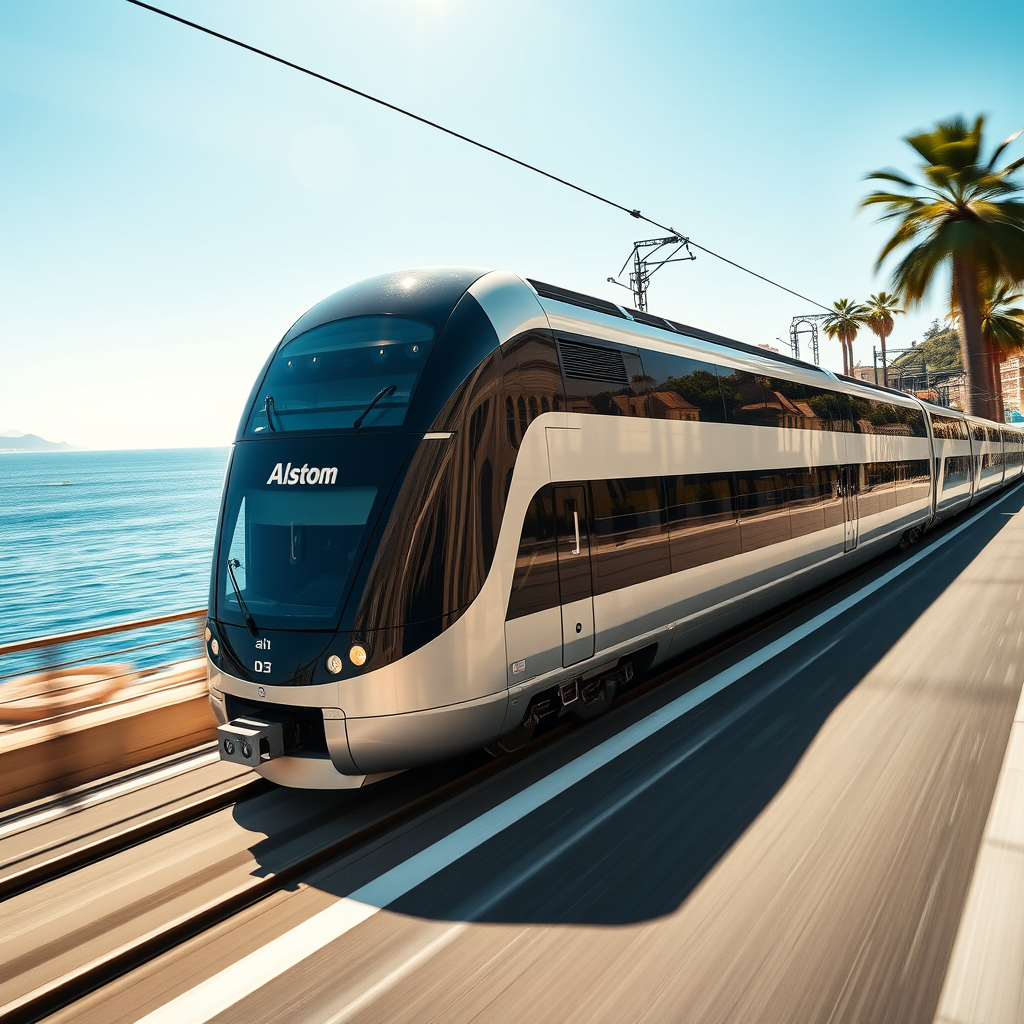
This article explores the significant modernization of the French regional rail network, specifically focusing on the introduction of sixteen new Alstom Omneo double-decker trains to the Sud (South) region. This €250 million ($273 million) contract marks a pivotal moment in French rail history, representing the first regional train tender awarded to a competitor of the incumbent operator, SNCF (Société Nationale des Chemins de fer Français), since the market’s liberalization. The project encompasses not only the supply of state-of-the-art rolling stock but also the construction of a dedicated maintenance facility, highlighting a commitment to long-term operational efficiency and sustainability. The introduction of these high-speed, high-capacity trains aims to dramatically improve passenger experience and significantly increase the attractiveness of rail travel compared to road transport, ultimately contributing to the region’s ambitious climate goals. This analysis will delve into the technical specifications of the Omneo trains, the strategic implications of the contract award, and the broader impact on the regional transportation landscape.
Train Specifications and Technological Advancements
The Alstom Omneo trains, comprising eight double-decker cars each, boast a maximum speed of 200 km/h and offer a comfortable passenger experience with 352 seats, supplemented by 49 folding seats, and 12 designated spaces for bicycles. Their capacity significantly enhances the carrying potential of the Marseille-Toulon-Nice line. A crucial aspect of this project is the integration with the European Rail Traffic Management System (ERTMS), a modern signaling system scheduled for implementation on the line by 2028. This future-proofing of the rolling stock ensures its compatibility with the evolving technological infrastructure, maximizing its operational lifespan and efficiency. The trains will undergo rigorous testing at Alstom’s Velim site in the Czech Republic before commencing pre-operational service testing in the Sud region. This detailed testing phase ensures optimal performance and reliability upon entering regular service.
Strategic Implications and Market Dynamics
The award of this contract to Alstom signifies a significant shift in the French rail market. It represents a departure from the long-standing dominance of SNCF and underscores the growing competitiveness within the sector. Alstom’s success in securing the contract, against competition from SNCF and Thello, highlights their commitment to innovation and the compelling value proposition of their Omneo trains. This win also demonstrates the viability of alternative providers in meeting the demands of regional rail services, potentially stimulating further competition and innovation within the French railway industry. The creation of a new maintenance facility near Nice station further underlines the long-term commitment to the project and the sustained economic impact on the region.
Operational Efficiency and Passenger Experience
The introduction of the Omneo trains is projected to substantially enhance operational efficiency and passenger satisfaction. The increased capacity, coupled with the higher operational speed, will lead to a doubling of train services on the Marseille-Toulon-Nice route, reaching 15 round trips daily. This increased frequency will significantly improve connectivity and reduce passenger waiting times, thereby contributing to a more attractive and convenient rail travel experience. The inclusion of bicycle spaces also underscores the commitment to multimodal transport integration and encourages sustainable travel choices. The detailed maintenance agreement will ensure the long-term operational efficiency and reliability of the fleet, minimizing disruptions and maximizing service availability.
Environmental Impact and Sustainability
The project aligns directly with the Sud region’s ambitious climate plan, “Une COP d’Avance,” which aims to promote a shift from road to rail transport. By significantly increasing rail capacity and frequency, the project actively contributes to reducing reliance on road transportation, thereby decreasing carbon emissions and improving air quality. This environmentally conscious approach underscores the project’s broader significance beyond mere infrastructure improvement. It demonstrates a clear commitment to sustainable transportation and a proactive contribution to mitigating climate change within the region.
Conclusion
The introduction of the Alstom Omneo trains to the Sud region of France represents a significant milestone in the modernization of the country’s regional rail network. The €250 million contract signifies not only a substantial investment in infrastructure but also a pivotal shift in the competitive landscape of the French rail market, with the first regional tender awarded to a competitor of SNCF. The technical specifications of the Omneo trains—high speed, increased capacity, and integration with ERTMS—ensure both operational efficiency and future-proofing. The project’s impact extends beyond operational improvements; it directly contributes to the region’s climate goals by promoting a modal shift from road to rail transport. The construction of a dedicated maintenance facility underlines a long-term commitment to the project’s success and sustainability. The overall success of this initiative will not only serve as a benchmark for future regional rail projects in France, but will also highlight the vital role of public-private partnerships in modernizing aging infrastructure and transitioning towards a more sustainable transportation future. The project’s success hinges on factors beyond the trains themselves; effective integration with the evolving ERTMS infrastructure, robust maintenance practices, and continued focus on improving passenger experience are all crucial elements for ensuring its long-term positive impact on the region’s transportation network. This project, therefore, is not merely about trains; it represents a paradigm shift in regional transportation strategy, prioritizing sustainability, efficiency, and a commitment to a greener future.

Railway infrastructure, rolling stock and transport technologies specialist focused on global rail industry developments, high-speed rail systems, signaling technologies and freight transportation. Covering railway investments, public transport modernization, rail operations and international mobility projects across Europe, Asia and North America.
RELATED POSTS

October 8, 2026 1:15 pm
Alstom secured a €1bn contract to build 13 automated trains,...

October 1, 2026 7:09 am
United States regulators confirmed a September 30 deadline for the...

October 8, 2026 12:18 pm
Siemens Mobility signed an agreement with VinSpeed to supply 350...

October 4, 2026 5:14 pm
Alstom secured a CA$4.7 billion order from VIA Rail Canada...

October 5, 2026 6:12 pm
AECOM and Jacobs secured a contract in September 2026 to...

October 4, 2026 11:08 pm
Sound Transit confirmed the September 30 opening of Seattle Pinehurst...