
Alstom Completes Cambridge Upgrade: Digital Railway Future Unveiled
Alstom completes Cambridge resignalling upgrade, modernizing the UK rail hub with ETCS-ready technology, enhancing safety and capacity for the future.
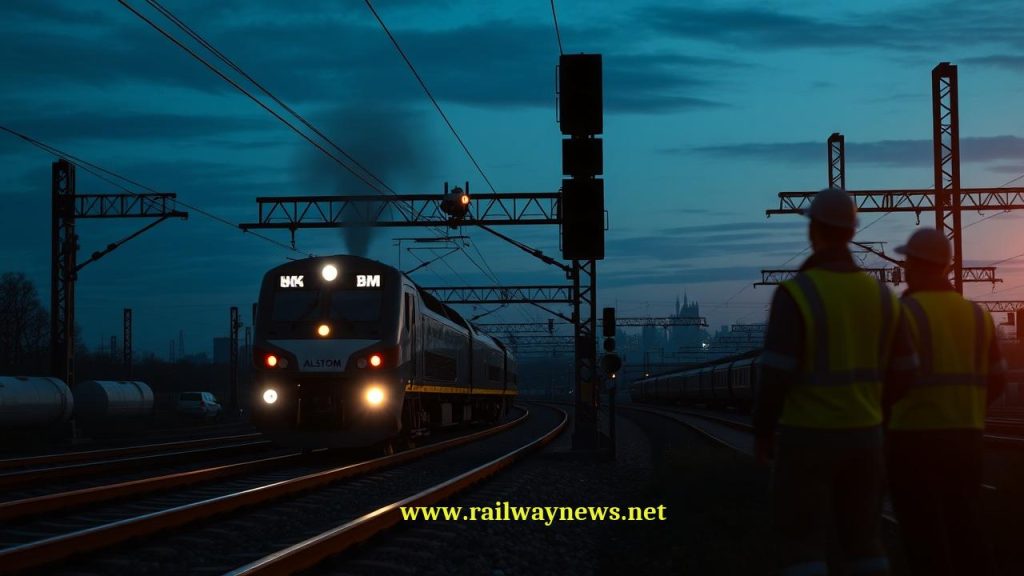
LONDON, UK – Alstom has successfully delivered Phase Two of the critical Cambridge Resignalling, Relock and Recontrol (C3R) project for Network Rail, completing a complex 11-day commissioning over the winter holidays. The milestone project, which involved over 50,000 hours of work, replaces four decades-old technology with a modern, digital-ready system, significantly boosting safety, capacity, and reliability for one of the UK’s key rail hubs.
| Category | Details |
|---|---|
| Project Name | Cambridge Resignalling, Relock and Recontrol (C3R) – Phase Two |
| Client | Network Rail |
| Lead Contractor | Alstom |
| Commissioning Window | December 25, 2025 – January 5, 2026 |
| Key Technology | Modern interlocking platform, ETCS-ready, CCTV-monitored level crossings |
| Project Scope | 100+ signals, 76 points machines, 300+ axle counter sections, 9 level crossings |
The core of the upgrade was executed during a total blockade of Cambridge station and its connecting routes between Christmas Day 2025 and January 5, 2026. In a symbolic moment at midnight on Christmas Day, the Cambridge Power Signal Box (PSB) panel, in operation for over 40 years, was permanently decommissioned. The work saw a major mobilization of resources, with approximately 250 specialists deployed across 23 shifts to deliver the upgrade on schedule. This successful on-time delivery stands as a significant achievement in a sector where large-scale infrastructure projects can often face delays from unforeseen issues with legacy underground utilities, as seen in other UK civil projects.
Technologically, the project represents a quantum leap for the region’s rail network. The new system is built around Alstom’s advanced interlocking technology and control platform, replacing outdated analogue equipment. The scope of the work included the renewal and integration of over 100 signals, 76 points machines, and more than 300 axle counter sections, creating 323 newly signaled routes. Crucially, the system is designed to be “ETCS-ready,” providing the foundational infrastructure for a future transition to the European Train Control System. A major safety enhancement was also delivered at the Meldreth Road level crossing, which reopened a week ahead of schedule with new full barriers remotely operated via CCTV, offering greater protection for all users.
The C3R project is a central pillar of Network Rail’s long-term investment strategy to modernize signaling across the Anglia route. This multi-phase approach, with further stages planned for 2026 and 2027, demonstrates a sustained commitment to upgrading critical national infrastructure. Such long-term planning is essential for ensuring the viability and efficiency of transport networks, a lesson underscored by ongoing debates about restoring services to other key hubs like Ashford International, where long-term service strategy is paramount. The successful completion of Phase Two at Cambridge reinforces industry confidence in phased modernization programs as an effective model for upgrading complex, operational rail environments.
Key Takeaways
- On-Time Delivery: Alstom successfully commissioned the complex resignalling project within a tight 11-day holiday window, demonstrating robust project management.
- Future-Proof Technology: The new system replaces 40-year-old equipment and is fully prepared for the future implementation of digital technologies, including the European Train Control System (ETCS).
- Enhanced Safety and Reliability: The upgrade introduces a highly reliable interlocking system and modernizes nine level crossings, directly improving safety for passengers, road users, and pedestrians.
Editor’s Analysis
The on-time completion of the Cambridge C3R Phase Two is more than a regional UK success; it serves as a global case study for de-risking and executing “brownfield” signaling modernization. As rail networks worldwide grapple with aging infrastructure, the challenge lies in implementing new digital systems with minimal disruption to live services. Alstom and Network Rail’s model of a meticulously planned, intensive commissioning window provides a blueprint for success. The project’s ETCS-readiness is the most critical strategic element, aligning a key UK economic corridor with the continent-wide push for interoperability and digital train control. This project not only enhances immediate performance but also strategically positions the network for the next generation of railway operations.
Frequently Asked Questions
- What is the Cambridge C3R project?
- The Cambridge Resignalling, Relock and Recontrol (C3R) project is a multi-phase program by Network Rail, with Alstom as the lead contractor, to completely modernize the railway signaling and control systems in the Cambridge area, replacing equipment that has been in service for over 40 years.
- What are the main benefits of this upgrade?
- The primary benefits are improved safety through modern systems and level crossings; enhanced reliability and performance by replacing aged equipment; and increased operational flexibility and capacity. The new system is also future-proofed for digital technologies like ETCS.
- What are the next phases of the C3R project?
- Phase Three is scheduled for 2026 and will focus on further work on level crossings and the re-control of the Ely–Norwich route. Phase Four, planned for 2027, will extend the new signaling systems to the Newmarket and Bury St Edmunds routes.

Railway infrastructure, rolling stock and transport technologies specialist focused on global rail industry developments, high-speed rail systems, signaling technologies and freight transportation. Covering railway investments, public transport modernization, rail operations and international mobility projects across Europe, Asia and North America.
RELATED POSTS

October 1, 2026 7:09 am
United States regulators confirmed a September 30 deadline for the...

October 8, 2026 1:15 pm
Alstom secured a €1bn contract to build 13 automated trains,...

October 4, 2026 5:14 pm
Alstom secured a CA$4.7 billion order from VIA Rail Canada...

October 1, 2026 12:13 am
Illinois approved $1.5 billion annually for the Northern Illinois Transit...

October 6, 2026 2:14 am
Union Pacific launched export rail shipments with Ferromex to deliver...

October 1, 2026 6:10 am
Amtrak approved a System Expansion Committee on July 30 to...