
Alstom Citadis X05: Sydney’s Rail Revolution
Experience the future of light rail with Alstom’s Citadis X05 LRVs, transforming Sydney’s transport network. Discover how its advanced technology and sustainable design deliver a superior passenger experience.
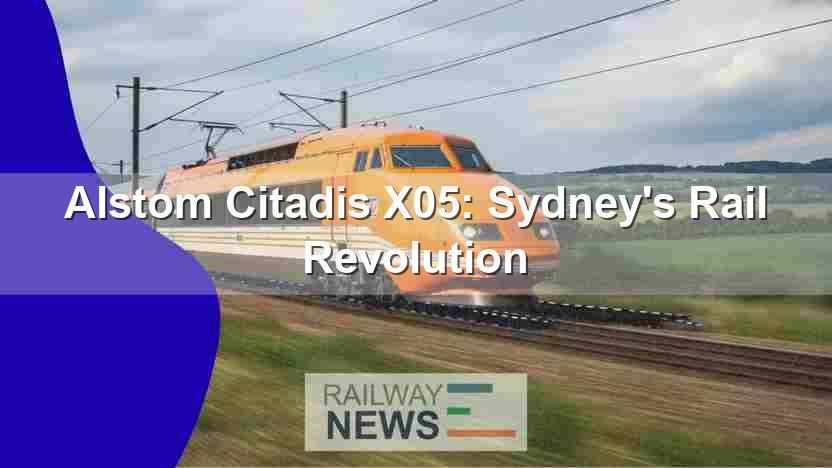
This article explores the introduction and testing of Alstom’s Citadis X05 Light Rail Vehicles (LRVs) for Sydney’s light rail network. The deployment of these modern LRVs represents a significant upgrade to Sydney’s public transportation infrastructure, promising improved capacity, reliability, and passenger experience. The project encompasses the construction of a 12km line connecting the Central Business District (CBD) to the South East, incorporating nineteen stops and a fleet of sixty Citadis X05 LRVs. This analysis explores the technological advancements embodied in the Citadis X05, the testing and commissioning process, and the anticipated positive impact on Sydney’s overall transportation network and its citizens. The focus will be on the technological specifications, environmental considerations, and the broader implications for urban mobility within the city.
Testing and Commissioning of the Citadis X05 LRV
Alstom’s first Citadis X05 LRV for Sydney’s light rail project has commenced its testing and commissioning phase. Initial testing is being conducted on a completed section of the line in Sydney’s eastern suburbs. This crucial phase involves rigorous evaluations of the vehicle’s performance across various parameters, including acceleration, braking, speed control, and passenger handling capabilities. Testing also includes detailed checks of all onboard systems, such as the passenger information displays, security systems (CCTV), emergency intercoms, and the environmental control system. The success of this phase is vital to ensuring the safe and efficient operation of the entire fleet. The entire fleet’s testing and commissioning is expected to extend into the following year, a testament to the detailed nature of this process.
Technological Advancements and Passenger Experience
The Citadis X05 LRVs are designed to enhance the passenger experience significantly. Key features include double-doors for efficient passenger flow, large windows for improved visibility and aesthetics, multi-purpose areas accommodating passengers with diverse needs, and ambient LED lighting for a comfortable and modern atmosphere. Real-time passenger information systems, integrated with the wider transport network, will provide commuters with up-to-date travel information. The vehicles are equipped with advanced safety features such as CCTV and emergency intercoms, prioritizing passenger security. These design elements combine to create a user-friendly and safe environment for commuters.
Environmental Sustainability and Lifecycle Considerations
Environmental sustainability is a core principle in the design and construction of the Citadis X05 LRVs. The vehicles utilize permanent magnet motors and electrical braking systems to minimize energy consumption and emissions. Sensor-based air-conditioning optimizes energy usage, further reducing the vehicle’s environmental footprint. Additionally, the LRVs are designed for a high degree of recyclability (up to 99%), minimizing waste at the end of their 30-year lifespan. The use of water-based paints and non-hazardous materials during construction further underscores Alstom’s commitment to environmental responsibility. This commitment ensures a reduced carbon footprint across the entire lifecycle of the vehicle.
Impact on Sydney’s Public Transportation Network
The introduction of the Citadis X05 LRVs is projected to have a transformative impact on Sydney’s public transport network. The 12km light rail line, with its capacity to move up to 13,500 passengers per hour, promises to significantly alleviate road congestion in the CBD and surrounding areas. The increased passenger capacity of the LRVs (up to 450 passengers per coupled set) will provide a more efficient and comfortable transportation option for a greater number of commuters. This improved transportation infrastructure will contribute to a more sustainable and accessible urban environment, benefiting both residents and visitors alike. The project aligns with Sydney’s broader goals of improving public transportation and reducing reliance on private vehicles.
Conclusion
The introduction of Alstom’s Citadis X05 LRVs marks a substantial step forward for Sydney’s public transportation system. The testing and commissioning phase, currently underway, is a critical step in ensuring the vehicles’ performance and safety. The technological advancements integrated into the Citadis X05, including features enhancing passenger comfort and safety as well as environmental sustainability initiatives, are key differentiators. The emphasis on recyclability and the use of eco-friendly materials demonstrate a commitment to responsible environmental practices. The overall impact on Sydney’s transport infrastructure will be considerable, offering commuters a more efficient, sustainable, and enjoyable travel experience. The increased capacity and reduced reliance on private vehicles promise a positive impact on reducing congestion, improving air quality, and enhancing the overall quality of life for Sydney’s residents. The successful integration of these LRVs represents not only an upgrade to the city’s transport capabilities but also a commitment to sustainable urban development. The long-term success of this project will depend on the ongoing maintenance and optimization of the system, but initial projections indicate a transformative effect on Sydney’s transportation landscape.

Railway infrastructure, rolling stock and transport technologies specialist focused on global rail industry developments, high-speed rail systems, signaling technologies and freight transportation. Covering railway investments, public transport modernization, rail operations and international mobility projects across Europe, Asia and North America.
RELATED POSTS

October 8, 2026 1:15 pm
Alstom secured a €1bn contract to build 13 automated trains,...

October 4, 2026 5:14 pm
Alstom secured a CA$4.7 billion order from VIA Rail Canada...

October 5, 2026 6:12 pm
AECOM and Jacobs secured a contract in September 2026 to...

October 1, 2026 12:13 am
Illinois approved $1.5 billion annually for the Northern Illinois Transit...

October 4, 2026 11:08 pm
Sound Transit confirmed the September 30 opening of Seattle Pinehurst...
October 5, 2026 1:13 pm
New York MTA confirmed a late 2026 DEIS release for...