
BNSF Railway Expands Shortline Select to 10 Railroads
BNSF Railway expanded its Shortline Select program to 10 railroads on March 30, 2026, adding two short lines in Tennessee and Texas to its network.
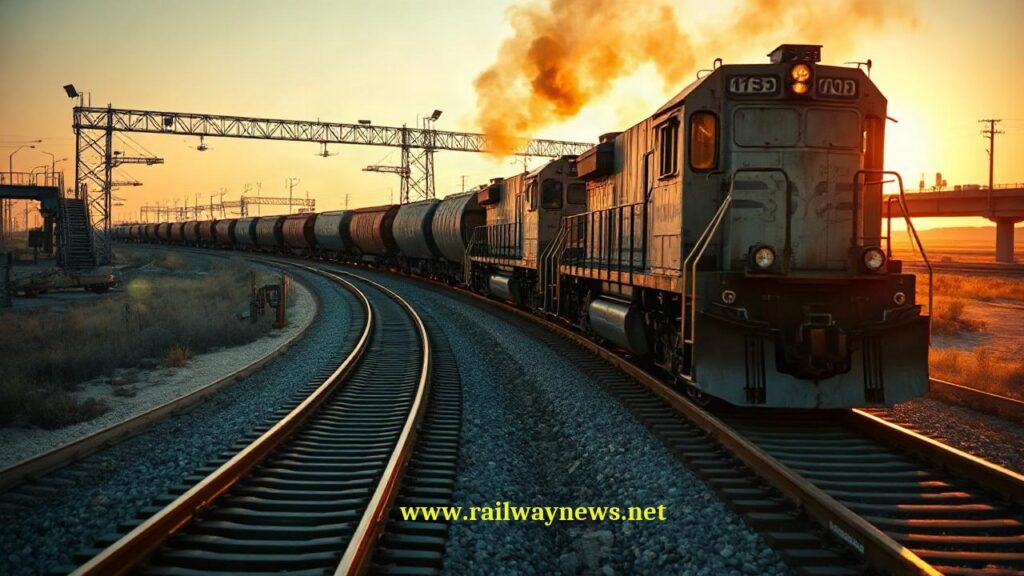
⚡ In Brief: BNSF Railway expanded its Shortline Select program across North America by integrating two short lines—R. J. Corman’s Tennessee Terminal and OmniTRAX’s Central Texas & Colorado River—bringing total participating feeder carriers to 10.
FORT WORTH, United States – BNSF Railway integrated two additional feeder railroads into its Shortline Select network initiative on March 30, 2026. The onboarding of R. J. Corman’s Tennessee Terminal (RJCK) and OmniTRAX’s Central Texas & Colorado River (CTXR) expands the program roster to 10 certified carriers. The commercial arrangement links these local switching lines directly into BNSF’s primary 32,500-mile freight network across 28 states and three Canadian provinces.
What Is the Full Scope of This Development?
BNSF Railway’s Shortline Select program now encompasses 10 regional short-line carriers following the integration of RJCK in Tennessee and CTXR in Texas. Established in 2024, the initiative standardizes operating interfaces, interchange protocols, and car-scheduling mechanisms between Class I line-haul operations and regional terminal operators. Participating lines report measurable gains in equipment utilization, including reduced freight car dwell times at interchange junctions and increased traffic volumes across connecting corridors. Specific individual carload commitments, lane revenues, and capital interchange investments for RJCK and CTXR were not disclosed by the parent operators.
Key Development Data
| Parameter | Value |
|---|---|
| Company / Organisation | BNSF Railway (with R. J. Corman Railroad Group and OmniTRAX) |
| Total Value | Not disclosed |
| Parties Involved | BNSF Railway, Tennessee Terminal (RJCK), Central Texas & Colorado River Railway (CTXR) |
| Timeline / Completion | Launched 2024; RJCK and CTXR added March 2026 |
| Country / Corridor | United States (Tennessee and Texas feeder routes connecting to 32,500-mile network) |
How Does This Compare to Industry Trends?
Class I coordination with short-line railroads has accelerated as North American freight rail market spending reaches a projected USD 8.90 billion by 2026, with the United States generating USD 6.30 billion of that aggregate demand (Source: Fortune Business Insights, 2024). Comparable interchange-fluidity programs across North America emphasize first-mile/last-mile efficiency to counter motor-carrier freight diversion, particularly in bulk and manufacturing hubs. Independent verification of specific traffic tonnage gained per line under BNSF’s Shortline Select was not available at time of publication.
Editor’s Analysis
BNSF’s gradual expansion of Shortline Select reflects a deliberate Class I strategy to protect carload margins by streamlining the most operationally volatile segment of the supply chain: the feeder interchange. By partnering with established short-line holding companies such as R. J. Corman and OmniTRAX, the railway secures traffic capture points without deploying capital for short-haul infrastructure maintenance. This operational alignment directly addresses long-term modal competition against trucking as national industrial rail demand expands toward 2030 (Source: Vocal Media, 2024).
FAQ
Q: Which short-line railroads were added to BNSF’s Shortline Select program?
A: BNSF added R. J. Corman’s Tennessee Terminal (RJCK) and OmniTRAX’s Central Texas & Colorado River (CTXR). Their addition raises total participation in the initiative to 10 short lines.
Q: How large is BNSF Railway’s network reach?
A: BNSF operates a freight rail network spanning 32,500 miles. The route covers 28 U.S. states and extends into three Canadian provinces.
Q: What commercial terms or interchange fees govern the new agreements?
A: This has not been officially confirmed. Financial terms, volume contracts, and switching fee structures remain confidential between BNSF and the participating railroad operators.

Railway infrastructure, rolling stock and transport technologies specialist focused on global rail industry developments, high-speed rail systems, signaling technologies and freight transportation. Covering railway investments, public transport modernization, rail operations and international mobility projects across Europe, Asia and North America.
RELATED POSTS

October 1, 2026 7:09 am
United States regulators confirmed a September 30 deadline for the...

October 1, 2026 12:13 am
Illinois approved $1.5 billion annually for the Northern Illinois Transit...

October 1, 2026 6:10 am
Amtrak approved a System Expansion Committee on July 30 to...

October 4, 2026 5:14 pm
Alstom secured a CA$4.7 billion order from VIA Rail Canada...
October 1, 2026 3:12 am
Greenbrier confirmed Brian Comstock as new president and CEO effective...
October 1, 2026 4:10 am
DART launched two public ridership dashboards in March 2026 to...