
KORAIL Expands 127 km High-Speed Track-Cooling Network
KORAIL expanded an automated rail cooling network across 127 km of high-speed line in South Korea, activating 599 spray units to stop thermal track buckling.
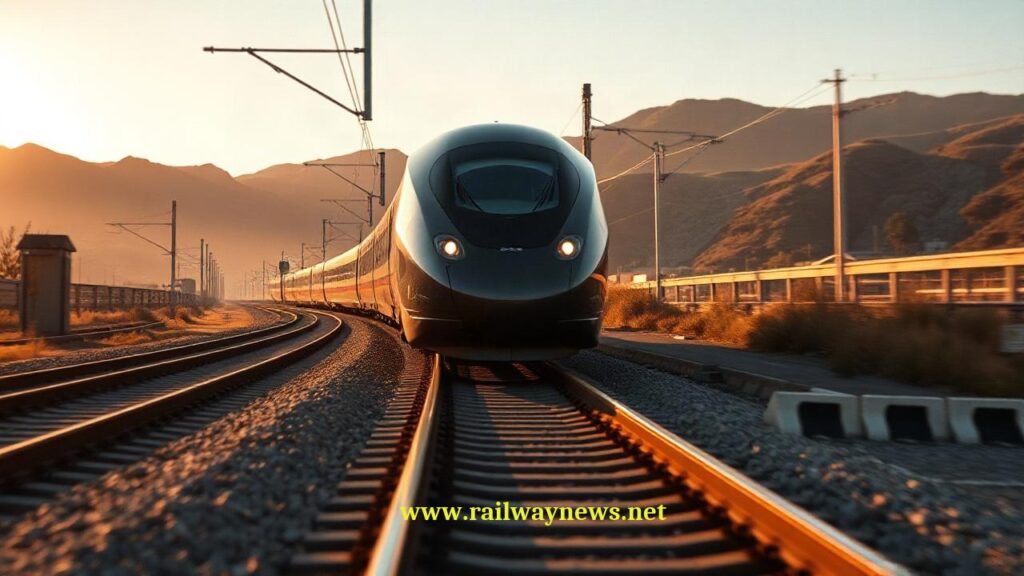
⚡ In Brief: South Korea’s KORAIL deployed 599 automated track-sprinkling units across 127 kilometres of high-speed line, preventing thermal track buckling with zero heat-related train delays during 2024 temperature spikes exceeding 40°C.
SEOUL, SOUTH KOREA – Korea Railroad Corporation (KORAIL) activated 599 automated track-spraying units across the Gwangmyeong–Daegu high-speed corridor to counter rail buckling during record summer heatwaves exceeding 40°C. Operating along 127 kilometres of ballasted high-speed infrastructure, the misting installations activate automatically when track temperatures surpass 48°C. Combined with artificial intelligence climate modeling, the deployment prevented service delays across the national high-speed network throughout peak summer operations.
What Are the Technical Specifications?
KORAIL’s automated track cooling network operates via misting nozzles mounted at fixed six-metre intervals along vulnerable ballasted track sections. The network monitors steel rail temperatures in real time, triggering pressurized water discharge when rail head temperatures reach or exceed 48°C. Priority zones include tight track curvature radii, tunnels with restricted air circulation, and switch points susceptible to extreme thermal expansion forces. The physical installation is directed by an artificial intelligence predictive climate model that integrates local meteorological inputs with rail stress data. KORAIL pairs these automated track interventions with speed restrictions that throttle train velocities if track bed temperatures exceed critical safety margins. Total capital expenditure for developing and retrofitting the 599 spraying installations was not disclosed by KORAIL.
Key Technical Data
| Parameter | Value |
|---|---|
| Technology / System Name | Automated Track-Spraying & AI Heatwave Management System |
| Total Value | Not disclosed |
| Parties Involved | Korea Railroad Corporation (KORAIL) |
| Timeline / Completion | Initial rollout in 2019; continuous expansion through 2024 |
| Country / Corridor | South Korea / Gwangmyeong–Daegu High-Speed Line (127 km) |
Where Does This Technology Stand in the Market?
Track-cooling engineering measures vary substantially across high-speed rail operators facing escalating climate risks. Austrian Federal Railways (ÖBB) relies on solar-reflective white track paint, which lowers rail surface temperature by 5°C to 8°C without water consumption (Source: ÖBB, 2023). In the United Kingdom, Network Rail deploys track-side solar probes paired with white rail painting across critical junction points, reducing maximum steel temperatures by 2°C to 3°C vs KORAIL’s automated misting system that can suppress rail temperatures by over 10°C under continuous 48°C activation thresholds (Source: Network Rail, 2022). While passive painting requires recurring seasonal labour, KORAIL’s sensor-driven misting delivers targeted mitigation on high-frequency lines at the expense of high water demand and track drainage infrastructure. Similar fixed track sprinkler models have seen high adoption on Japanese Shinkansen routes operated by JR East to combat extreme summer thermal loads (Source: JR East, 2021).
Editor’s Analysis
KORAIL’s track-cooling framework illustrates how climate adaptation has shifted from manual emergency response to automated infrastructure engineering. As the South Korean railway system market expands at a projected 4.7% compound annual growth rate through 2036, maintaining asset resilience is directly linked to operational profitability (Source: Future Market Insights, 2024). This domestic asset reliability enables KORAIL to export systems management capabilities abroad, exemplified by its 120-billion-won operations and maintenance contract for Manila Metro Line 7 secured in 2025.
FAQ
Q: What triggers KORAIL’s track-spraying systems?
A: The track-spraying nozzles activate automatically once rail surface temperatures reach 48°C. The system uses real-time thermal sensors integrated with artificial intelligence climate prediction software.
Q: How much of the high-speed rail network is covered by these systems?
A: The systems cover 127 kilometres of ballasted high-speed track between Gwangmyeong and Daegu. Spray units are positioned at six-metre intervals in high-risk zones, such as tight curves.
Q: Did extreme temperatures cause passenger delays on the KTX network?
A: KORAIL recorded zero train delays directly resulting from track overheating during the 2024 record heatwave. This performance was achieved by combining automated cooling mist with predictive speed reductions.

Railway infrastructure, rolling stock and transport technologies specialist focused on global rail industry developments, high-speed rail systems, signaling technologies and freight transportation. Covering railway investments, public transport modernization, rail operations and international mobility projects across Europe, Asia and North America.
RELATED POSTS
September 6, 2026 5:19 am
Hitachi delivered Taiwan's first N700ST high-speed train from Japan in...

September 5, 2026 4:19 pm
CPK launched formal tender talks with four consortia to design...
September 6, 2026 1:17 am
Hitachi Toshiba Supreme Consortium confirmed the first of 12 N700ST...
September 5, 2026 7:14 pm
HS2 Ltd signed renegotiated civils contracts with EKFB and Align...
September 6, 2026 6:17 am
Hungary ordered a national ban on most freight trains from...
September 7, 2026 8:16 am
Midea, Gree and TCL shipped air conditioners via China Railway...