
North Korea Premier Completes Beijing Rail Command Visit
North Korean Premier Pak Thae Song visited Beijing Rail Transport Command Centre and examined transfer systems for China’s nearly 1,000 km metro on 10–12 July.
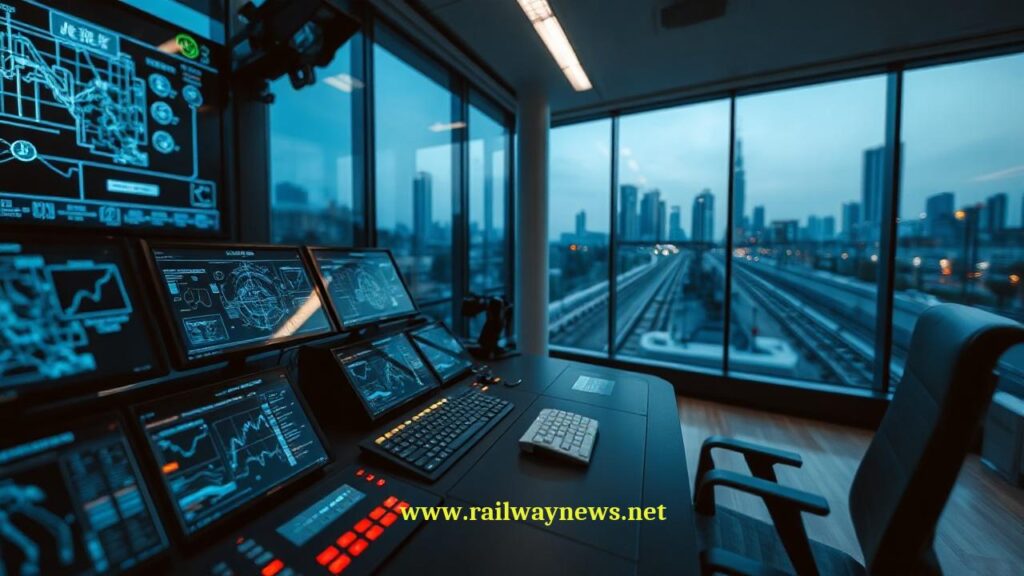
⚡ In Brief: North Korean Premier Pak Thae Song visited Beijing’s urban rail command centre on 10–12 July and examined network design and interline transfer systems for China’s nearly 1,000 km capital metro network.
BEIJING / PYONGYANG – North Korean Premier Pak Thae Song inspected the Beijing Rail Transport Command Centre during an official visit to China from 10 to 12 July, requesting detailed explanations on interline transfer systems and the design of China’s nearly 1,000 km urban rail network. The visit coincided with celebrations marking the 65th anniversary of the China–North Korea Treaty of Friendship, Cooperation and Mutual Assistance. No specific rail project or train delivery contract was announced.
What Are the Technical Specifications?
The Beijing Rail Transport Command Centre coordinates a network of nearly 1,000 route-km using operational technologies that include artificial intelligence, big data and cloud-based management tools. The centre manages the Chinese capital’s urban metro and suburban rail operations. Pyongyang’s own two-line metro, opened in 1973, still operates former Berlin Metro trains purchased in the late 1990s, alongside some domestically produced units and older Chinese DK4 trains. UN Security Council Resolution 2397 prohibits member states from supplying transport vehicles, including trains and associated components, to North Korea.
Key Technical Data
| Parameter | Value |
|---|---|
| Technology / System Name | Beijing Rail Transport Command Centre / AI-big data-cloud operating model |
| Total Value | Not disclosed |
| Parties Involved | Premier Pak Thae Song; Beijing Rail Transport Command Centre |
| Timeline / Completion | Visit: 10–12 July; no implementation timeline disclosed |
| Country / Corridor | China (Beijing) / North Korea (Pyongyang) |
Where Does This Technology Stand in the Market?
China’s newest metro lines are deploying GoA4 fully automatic train operation and higher design speeds, while Pyongyang’s two-line metro remains dependent on legacy Berlin D-class trains acquired in the late 1990s. Chengdu’s urban rail network passed 750 route-km in early 2026, ranking fourth globally, and China’s latest wave of metro openings brought faster and more automated services (Source: Railway Gazette, 2026). Competing automation systems illustrate the capability gap: Alstom’s Urbalis Fluence supports GoA4 unattended operation with headways from 90 seconds (Source: Alstom, 2024), while Siemens Trainguard MT CBTC is deployed on more than 100 metro lines worldwide (Source: Siemens Mobility, 2023). CRRC’s GoA4 systems are used on multiple new Chinese lines, including recent Chengdu openings (Source: Railway Gazette, 2026). MTR announced investments in CRRC Guangdong and secured contracts for Sydney Metro West, strengthening Chinese-origin rail technology in international markets (Source: Chinadailyhk, 2026).
Editor’s Analysis
Pyongyang’s focus on Beijing’s control centre rather than train procurement aligns with the sanctions environment; UNSCR 2397 bars train and component transfers, leaving knowledge exchange as the only near-term avenue. The gap between Pyongyang’s two-line, Berlin-era metro and China’s nearly 1,000 km AI-supported network underlines a multi-decade modernisation deficit. Meanwhile China-EU rail freight volumes fell 22.7% on the Europe-to-China leg in 2025 (Source: Upply, 2025), indicating China’s rail priorities are shifting further toward domestic urban automation rather than cross-border freight growth in that corridor.
FAQ
Q: What did North Korean Premier Pak Thae Song inspect in Beijing?
A: He visited the Beijing Rail Transport Command Centre and requested detailed explanations about interline transfer systems and urban rail network design. Beijing’s network is nearly 1,000 km long.
Q: Will China supply trains or metro components to North Korea?
A: No contract or delivery has been announced. UN Security Council Resolution 2397 prohibits member states from supplying transport vehicles, including trains and associated components, to North Korea.
Q: What rolling stock does Pyongyang Metro currently use?
A: Pyongyang’s two-line metro, opened in 1973, operates former Berlin U-Bahn trains purchased in the late 1990s, alongside some domestically produced trains and older Chinese DK4 units. The network lacks modern automated control systems.

Railway infrastructure, rolling stock and transport technologies specialist focused on global rail industry developments, high-speed rail systems, signaling technologies and freight transportation. Covering railway investments, public transport modernization, rail operations and international mobility projects across Europe, Asia and North America.
RELATED POSTS

October 1, 2026 7:09 am
United States regulators confirmed a September 30 deadline for the...

October 1, 2026 12:13 am
Illinois approved $1.5 billion annually for the Northern Illinois Transit...
October 1, 2026 5:14 am
Siemens confirmed delivery of the first new S200 train to...

October 1, 2026 6:10 am
Amtrak approved a System Expansion Committee on July 30 to...
October 1, 2026 3:12 am
Greenbrier confirmed Brian Comstock as new president and CEO effective...
October 1, 2026 4:10 am
DART launched two public ridership dashboards in March 2026 to...