
Alstom Launches First 50-Metre Urbanliner Tram in Berlin
Alstom launched its first 50-metre Urbanliner tram carrying over 300 passengers on Berlin’s M4 line, part of a 65-unit order by BVG running through 2030.
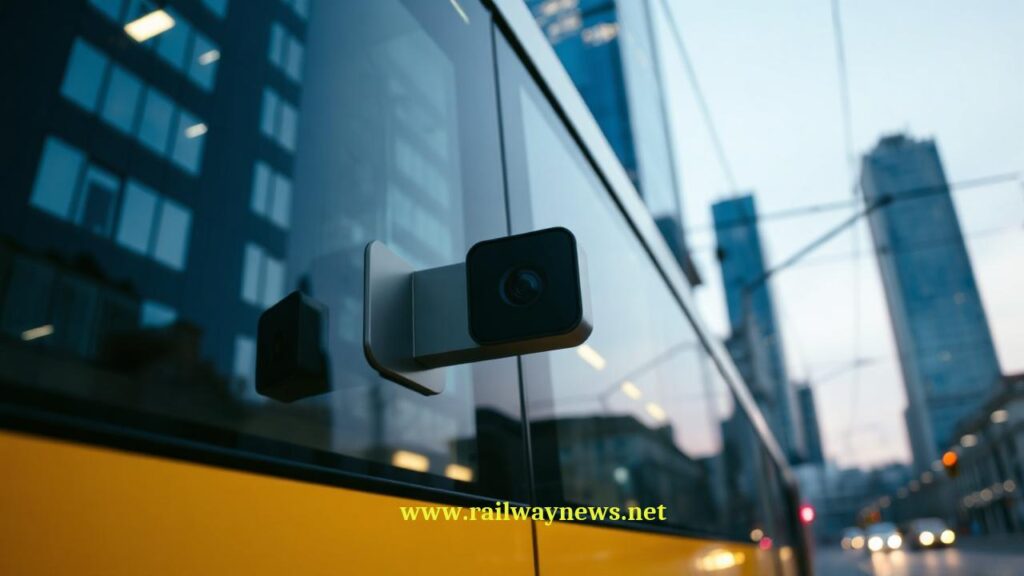
⚡ In Brief: Alstom’s first 50-metre Urbanliner tram entered service on Berlin’s M4 line, carrying over 300 passengers with a camera mirror system replacing traditional exterior mirrors and no onboard ticket machines; BVG expects 65 units by 2030.
BERLIN, Germany – In July 2026, Berliner Verkehrsbetriebe (BVG) began revenue operation of the first Alstom Urbanliner tram on the M4 line, the capital’s busiest route. The 50-metre vehicle can transport more than 300 passengers and is the first in BVG’s fleet to eliminate exterior mirrors, relying instead on a digital camera system. The launch follows structural reinforcement of the Alexanderplatz subway tunnel to meet higher load conditions required for the longer tram.
What Are the Technical Specifications?
The Urbanliner introduces a suite of passenger and operational technologies. A camera-based side-view system replaces exterior mirrors, improving driver visibility and nearly eliminating blind spots. An obstacle-detection assistance system alerts the driver to hazards on the route. A redesigned bogie aims to cut vibrations and raise ride comfort, while interior LED lighting shifts colour temperature according to time of day and season. Door-mounted LED strips signal boarding status in green or red. Multifunctional spaces accommodate wheelchairs and walkers, seats are installed at varied heights, and grab bars feature a golf-ball-like texture to aid visually impaired passengers in locating doors. A gap-bridging device enables step-free boarding from both sides. The tram is BVG’s first to operate without mobile ticket vending machines; BVG cites a shift toward digital ticket purchases and the Deutschlandticket, and has installed 70% more stationary vending machines along the M4 corridor.
Key Technical Data
| Parameter | Value |
|---|---|
| Technology / System Name | Alstom Urbanliner (for BVG Berlin) |
| Total Value | Not disclosed |
| Parties Involved | Alstom (manufacturer), BVG (operator) |
| Timeline / Completion | 15 units by end 2026; ~30 by 2028; all 65 by 2030 |
| Country / Corridor | Germany, Berlin tram network (initial approval only for M4 line) |
Where Does This Technology Stand in the Market?
The Urbanliner replaces two-car GT6 tramsets that previously provided roughly 288 passenger spaces over 61 metres of combined length; the 50-metre Urbanliner accommodates over 300 passengers, improving space efficiency by roughly 20% per metre. On a larger competitive stage, Stadler’s selection in June 2026 to supply 63 customised Tango Nordic trams to Helsinki shows that camera-mirror systems and obstacle detection are rapidly becoming standard in European light-rail procurements (Source: Railway Gazette, 2026). The digital railway market, encompassing sensor-based safety and monitoring equipment, is forecast to reach USD 296.7 billion by 2035 (Source: Market.us), underlining the broader shift toward electronics-heavy rolling stock evident in Berlin’s newest tram.
Editor’s Analysis
BVG’s decision to scrap onboard ticket machines while expanding platform-based vending reveals a data-driven response to passenger behaviour, mirroring a wider European move away from cash and physical ticket sales on vehicles. The tram’s length and capacity, achieved without additional bogie wear through a redesigned chassis, offers a template for cities seeking to boost capacity on existing infrastructure without lengthening stops. If the camera-only mirror system gains regulatory approval on all Berlin lines, it could accelerate acceptance of similar systems across Germany’s other tram networks.
FAQ
Q: How many passengers can the new Urbanliner tram carry?
A: The Urbanliner provides capacity for over 300 passengers, making it larger than any tram previously used in Berlin.
Q: Why does the Urbanliner have no exterior mirrors?
A: Traditional mirrors are replaced by a digital camera system that enhances driver visibility and nearly eliminates blind spots around the vehicle.
Q: When will all 65 Urbanliner trams be in service?
A: BVG expects approximately 15 units by the end of 2026, around 30 by 2028, and full delivery of all 65 trams by 2030.

Railway infrastructure, rolling stock and transport technologies specialist focused on global rail industry developments, high-speed rail systems, signaling technologies and freight transportation. Covering railway investments, public transport modernization, rail operations and international mobility projects across Europe, Asia and North America.
RELATED POSTS

September 6, 2026 5:19 am
Hitachi delivered Taiwan's first N700ST high-speed train from Japan in...
September 6, 2026 1:17 am
Hitachi Toshiba Supreme Consortium confirmed the first of 12 N700ST...

September 6, 2026 4:12 am
Alstom delivered the first of 100 new G Class trams...

September 6, 2026 8:17 am
DB InfraGO reopened the Nuremberg-Regensburg line in Bavaria on 31...

September 7, 2026 4:15 pm
Zimbabwe approved the EUR 3 billion Harare Light Rail project,...

September 6, 2026 12:20 pm
Indian Railways ordered a probe after a fire destroyed 2...