
Sound Transit Cuts $34.5B from ST3 Plan in Seattle
Sound Transit approved a plan reducing its ST3 rail expansion in Seattle by $34.5 billion through 2050.
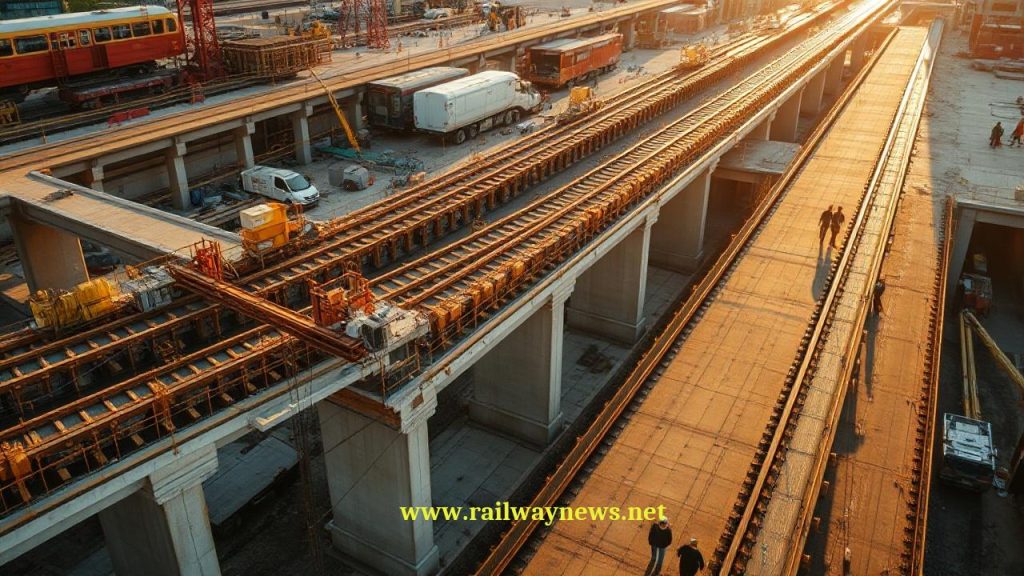
⚡ In Brief: Seattle’s Sound Transit has restructured its voter-approved ST3 light rail expansion plan to address a projected $34.5 billion funding gap over the next 20 years by prioritizing fully funded lines and deferring others.
SEATTLE, UNITED STATES – The Sound Transit board has adopted a restructured 25-year capital transit system plan to address a projected $34.5 billion budget deficit. The revised plan prioritizes full construction funding for critical segments, such as the West Seattle Link extension and the first two phases of the Everett Link extension, while placing deferred projects on hold. Under the updated framework, agency staff are directed to establish a new project delivery model by the end of 2026.
What Is the Full Scope of This Project?
The updated Sound Transit 3 (ST3) expansion plan secures full construction funding for core regional light rail corridors while deferring several voter-approved projects into planning-only phases. Fully funded initiatives include the West Seattle Link, Tacoma Dome Link, the initial phases of the Everett Link, and the Graham Street infill station. Conversely, the highly anticipated Ballard Link extension has been cast into financial limbo, with its construction deferred alongside other non-prioritized segments until new revenues are secured. The agency intends to serve up to 600,000 daily riders across the expanded network by 2050 (Source: Sound Transit, 2025). Some cost-saving targets and specific deferral timelines for the delayed stations were not disclosed.
Key Project Data
| Parameter | Value |
|---|---|
| Project / Contract Name | Sound Transit 3 (ST3) System Plan Update |
| Total Value | $34.5 billion funding gap (Total program value exceeds $54 billion; exact revised program total not disclosed) |
| Parties Involved | Sound Transit Board, regional transit planners |
| Timeline / Completion | System plan spans through 2050; new project delivery framework by end of 2026 |
| Country / Corridor | United States / Seattle-Tacoma Puget Sound Metropolitan Area |
How Does This Compare to Similar Projects?
Sound Transit’s decision to scale back and prioritize its ST3 program mirrors strategies adopted by other mega-projects facing severe inflationary pressures in the United States. For comparison, California’s High-Speed Rail project, which secured initial voter funding in 2008, has similarly transitioned to a phased, scaled-back initial operating segment in the Central Valley, recently selecting a joint venture for a $3.5 billion contract to accelerate early operations (Source: California High-Speed Rail Authority, 2024). Both West Coast megaprojects demonstrate a regional shift away from simultaneous all-inclusive builds toward highly prioritized, corridor-specific segment delivery to manage multi-billion-dollar funding shortfalls.
Editor’s Analysis
The restructuring of the ST3 plan highlights a growing challenge for North American transit agencies attempting to deliver massive capital programs amid post-pandemic inflation and high construction costs. By focusing resources on immediate subhoops like West Seattle, Sound Transit protects its core regional network connectivity at the expense of local urban density lines like the Ballard extension. This tactical retreat matches a global trend where fiscal discipline overrides original political promises, forcing agencies to build in bite-sized phases rather than unified regional networks (Source: International Association of Public Transport, 2024).
FAQ
Q: What is the primary cause of the changes to the ST3 plan?
A: The plan was revised to address a projected $34.5 billion funding gap over the next 20 years. Rising construction costs and inflationary pressures forced the agency to prioritize projects with secured funding.
Q: Which major transit lines will be prioritized for full construction?
A: Fully funded projects include the West Seattle Link extension, Tacoma Dome Link extension, the first two phases of the Everett Link extension, and the Graham Street infill station.
Q: What is the status of the Ballard Link extension?
A: The Ballard Link extension is currently on hold for construction and has been placed into planning and design phases only. Construction will be deferred until Sound Transit secures additional funding sources.

Railway infrastructure, rolling stock and transport technologies specialist focused on global rail industry developments, high-speed rail systems, signaling technologies and freight transportation. Covering railway investments, public transport modernization, rail operations and international mobility projects across Europe, Asia and North America.
RELATED POSTS

September 6, 2026 5:19 am
Hitachi delivered Taiwan's first N700ST high-speed train from Japan in...

September 5, 2026 4:19 pm
CPK launched formal tender talks with four consortia to design...

September 6, 2026 4:12 am
Alstom delivered the first of 100 new G Class trams...

September 6, 2026 6:17 am
Hungary ordered a national ban on most freight trains from...

September 6, 2026 1:17 am
Hitachi Toshiba Supreme Consortium confirmed the first of 12 N700ST...
September 6, 2026 8:17 am
DB InfraGO reopened the Nuremberg-Regensburg line in Bavaria on 31...