
CPKC Reports IBEW Signal Strike May 2026 Canada
300 IBEW signal workers initiated a strike against Canadian Pacific Kansas City on May 31, 2026, across its Canadian network, triggering immediate contingency operations.
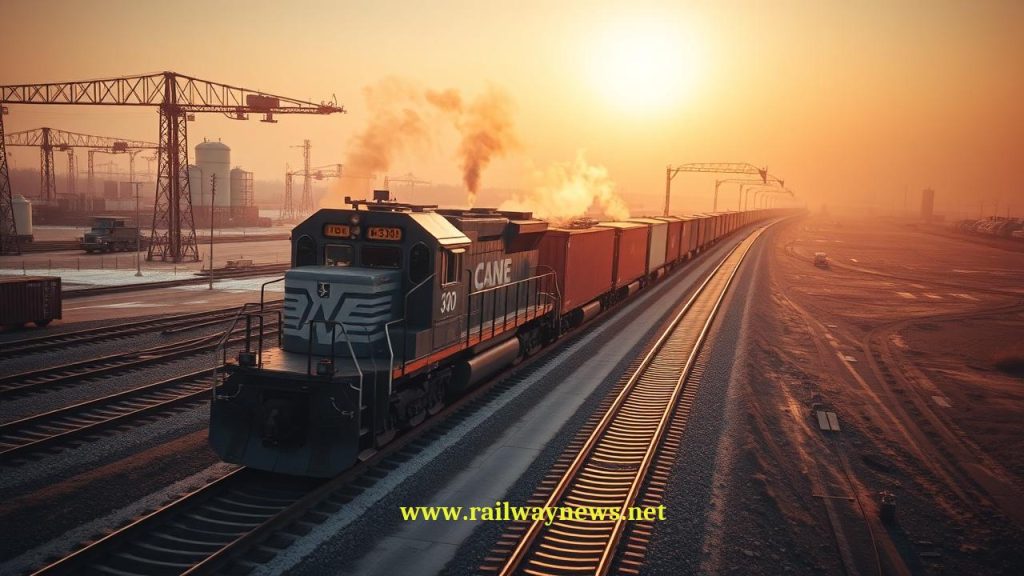
⚡ In Brief: On May 31, 2026, approximately 300 Canadian Signals and Communications workers represented by the IBEW initiated a strike against Canadian Pacific Kansas City, triggering immediate corporate contingency plans to maintain rail operations across Canada.
CALGARY, CANADA – On May 31, 2026, the International Brotherhood of Electrical Workers (IBEW) Canadian Signals and Communications System Council No. 11 launched a strike involving approximately 300 signals and communications employees at Canadian Pacific Kansas City (CPKC). The work stoppage followed months of unsuccessful collective bargaining and the completion of federally mandated mediation. CPKC immediately activated contingency plans using qualified non-union staff to ensure uninterrupted freight rail operations across its Canadian network.
What Is the Full Scope of This Development?
The labor dispute centers on wage adjustments, employee-incurred expenses, and quality-of-life concerns related to demanding on-call schedules. The striking workers represent the core technical group responsible for maintaining CPKC’s railway signaling and communication systems, which are vital for safe train movements. While the union backed its strike action with a 96% mandate vote, CPKC has countered with proposals offering wage and benefit increases aligned with agreements accepted by its other Canadian unions. The exact financial terms of CPKC’s final offer and the daily operational cost of running contingency operations were not disclosed.
Key Development Data
| Parameter | Value |
|---|---|
| Company / Organisation | Canadian Pacific Kansas City (CPKC) & IBEW Council No. 11 |
| Total Value | Not disclosed |
| Parties Involved | CPKC, IBEW Canadian Signals and Communications System Council No. 11 |
| Timeline / Completion | Strike commenced May 31, 2026; resolution timeline not disclosed |
| Country / Corridor | Canada (national rail network) |
How Does This Compare to Industry Trends?
This strike reflects a broader pattern of labor tension across North American passenger and freight rail networks over wages and scheduling predictability. For instance, in May 2025, NJ Transit faced a highly disruptive potential strike as locomotive engineers and agency management reached an impasse over wages (Source: New Jersey Monitor, 2025). Furthermore, while freight operators face labor friction, other sectors of the rail industry are experiencing rapid capital expansion; the global luxury dome car tours market is projected to rise from $1.23 billion in 2025 to $1.36 billion by 2030 (Source: National Law Review, 2025). These diverging realities highlight a dual-speed industry where high-end tourism and transit expansion projects thrive alongside intense operational cost-cutting and labor disputes on freight lines.
Editor’s Analysis
CPKC’s reliance on contingency operations underscores the high stakes of maintaining continuous transcontinental freight flows, particularly as shippers demand reliable service to justify high freight rates. However, relying on management to run signal systems introduces long-term operational risks if negotiations remain stalled. This friction occurs as public agencies grapple with their own financial hurdles, such as Sound Transit’s ongoing effort to advance its 25-year light rail expansion plan despite facing a massive $34.5 billion funding gap (Source: KOMO News, 2025).
FAQ
Q: What triggered the IBEW strike against CPKC on May 31, 2026?
A: The strike was launched by approximately 300 signals and communications workers after months of unsuccessful contract negotiations and federally mandated mediation. Employees are demanding better wages, reimbursement for work expenses, and relief from demanding on-call schedules.
Q: Is CPKC’s rail service currently shut down?
A: No, CPKC’s rail service remains active. The railway has implemented contingency plans using qualified personnel to maintain freight operations across its Canadian network.
Q: What specific wage increase did CPKC offer to the IBEW workers?
A: The exact wage and benefit percentage offered by CPKC has not been publicly disclosed. CPKC stated only that the proposal is consistent with collective agreements accepted by its other Canadian unions.

Railway infrastructure, rolling stock and transport technologies specialist focused on global rail industry developments, high-speed rail systems, signaling technologies and freight transportation. Covering railway investments, public transport modernization, rail operations and international mobility projects across Europe, Asia and North America.
RELATED POSTS

October 1, 2026 7:09 am
United States regulators confirmed a September 30 deadline for the...

October 1, 2026 12:13 am
Illinois approved $1.5 billion annually for the Northern Illinois Transit...

October 1, 2026 6:10 am
Amtrak approved a System Expansion Committee on July 30 to...

October 4, 2026 5:14 pm
Alstom secured a CA$4.7 billion order from VIA Rail Canada...

October 1, 2026 3:12 am
Greenbrier confirmed Brian Comstock as new president and CEO effective...

October 1, 2026 7:09 pm
FRA ordered US rail operators to obey 5 restricted speed...