
LTG Link Upgrades Ticketing with Turnit OSDM by 2026
Lithuania’s LTG Link partnered with Estonia’s Turnit to upgrade its ticketing system, implementing OSDM for EU cross-border rail by 2026.
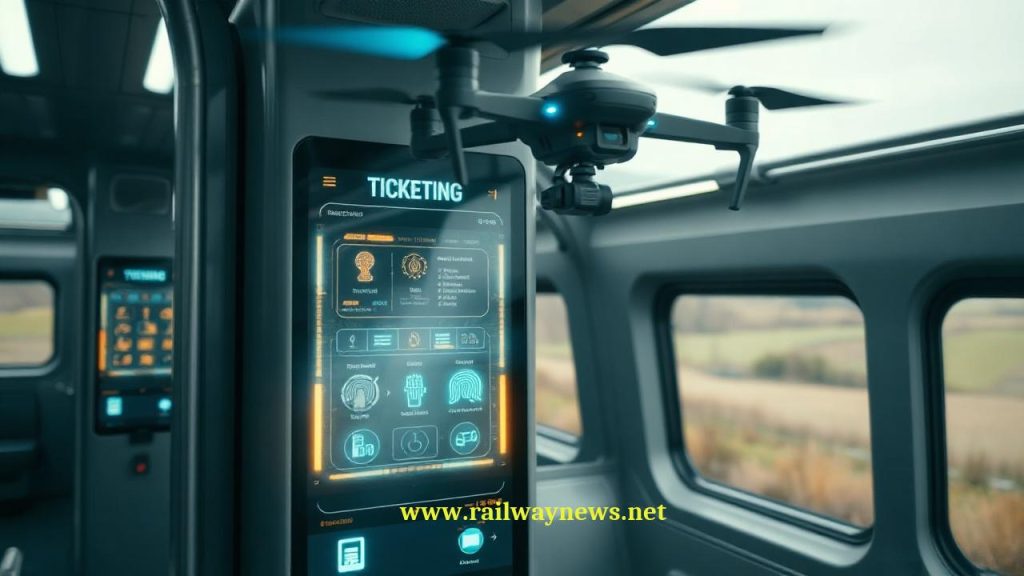
⚡ In Brief: Lithuania’s national passenger rail operator, LTG Link, has partnered with Estonian travel tech provider Turnit to modernize its ticketing platform by the second half of 2026, aligning with the European Union’s 2029 cross-border ticketing integration mandates.
VILNIUS, LITHUANIA – Lithuania’s national passenger rail operator, LTG Link, has partnered with Estonian technology firm Turnit to overhaul its digital ticketing infrastructure, with deployment scheduled for the second half of 2026. The upgraded system will implement the European Open Sales and Distribution Model (OSDM) to facilitate frictionless cross-border ticketing across Europe. While the financial terms of the contract were not publicly disclosed, the modernization aims to support the European Union’s target of achieving integrated rail booking systems by 2029.
What Are the Technical Specifications?
The modernized LTG Link ticketing platform will integrate Turnit’s proprietary AI-powered experiential travel infrastructure and the European Open Sales and Distribution Model (OSDM) standard. This integration allows LTG Link to interface directly with international operators, eliminating the need for passengers to use multiple regional booking engines. The backend architecture utilizes artificial intelligence, including an “AI Travel Twin” that analyzes passenger preferences to offer personalized travel recommendations, and integrates visual storytelling elements to drive engagement (Source: Turnit, 2026). On the consumer-facing side, the upgrade introduces biometric authentication, Apple Pay, Google Pay, and multimodal booking options for local buses, parking, and car rentals.
Key Technical Data
| Parameter | Value |
|---|---|
| Technology / System Name | Turnit AI-powered experiential ticketing platform & OSDM integration |
| Total Value | Not disclosed |
| Parties Involved | LTG Link (Lithuania), Turnit (Estonia) |
| Timeline / Completion | Second half of 2026 |
| Country / Corridor | Lithuania / Baltic-Poland Corridor |
Where Does This Technology Stand in the Market?
Turnit’s AI-centric experiential ticketing model represents a shift away from traditional transactional booking systems used by major European rail networks. For instance, Sqills (acquired by Siemens Mobility) offers the S3 Passenger platform, which focuses on high-capacity reservation and inventory management for operators like Eurostar and ÖBB, but lacks Turnit’s native AI “Travel Twin” emotional marketing layers (Source: Siemens Mobility, 2025). Similarly, SilverRail’s SilverCore platform provides deep API-driven distribution for corporate travel sectors but relies on external client-side interfaces to handle multimedia consumer engagement (Source: SilverRail, 2024). Furthermore, the 2026 timeline for LTG Link’s OSDM integration positions the Baltic state ahead of the European Union’s broader “one journey, one ticket” regulatory mandate, which seeks to unify cross-border rail ticketing across all member states by 2029 (Source: European Commission, 2026).
Editor’s Analysis
By integrating OSDM standards ahead of the EU’s 2029 deadline, LTG Link is establishing a digital gateway that will link the Baltic region directly with Western Europe, particularly as the Rail Baltica project advances. This digital shift mirrors a global trend where rail operators leverage unified booking engines to claw back market share from regional low-cost airlines (Source: International Railway Journal, 2025). Ultimately, the success of this deployment will depend on how effectively neighboring Polish and Baltic operators adopt compatible API standards to enable true end-to-end booking.
FAQ
Q: What is the timeline for the LTG Link ticketing system upgrade?
A: The modernization of LTG Link’s website, mobile application, and ticketing system is scheduled for deployment in the second half of 2026. This timeline aligns with regional preparations for broader European rail integration.
Q: How much does the contract between LTG Link and Turnit cost?
A: The total financial value of the contract has not been officially disclosed by either party. Funding details and specific software licensing fees remain confidential.
Q: How will this technology affect passengers traveling between Lithuania and Poland?
A: Passengers will be able to book single-ticket journeys across both networks through the LTG Link app, eliminating the need to use separate Polish ticketing platforms. The integration utilizes the Open Sales and Distribution Model to harmonize booking systems.

Railway infrastructure, rolling stock and transport technologies specialist focused on global rail industry developments, high-speed rail systems, signaling technologies and freight transportation. Covering railway investments, public transport modernization, rail operations and international mobility projects across Europe, Asia and North America.
RELATED POSTS

September 6, 2026 5:19 am
Hitachi delivered Taiwan's first N700ST high-speed train from Japan in...

September 5, 2026 4:19 pm
CPK launched formal tender talks with four consortia to design...

September 5, 2026 7:14 pm
HS2 Ltd signed renegotiated civils contracts with EKFB and Align...

September 6, 2026 6:17 am
Hungary ordered a national ban on most freight trains from...

September 6, 2026 1:17 am
Hitachi Toshiba Supreme Consortium confirmed the first of 12 N700ST...

September 6, 2026 8:17 am
DB InfraGO reopened the Nuremberg-Regensburg line in Bavaria on 31...