
Poland Opens Long-Distance Rail Market To 10 Operators Post-2030
Poland opens its long-distance rail market to 10 potential operators after 2030, fostering competition when PKP Intercity’s public service contract expires.
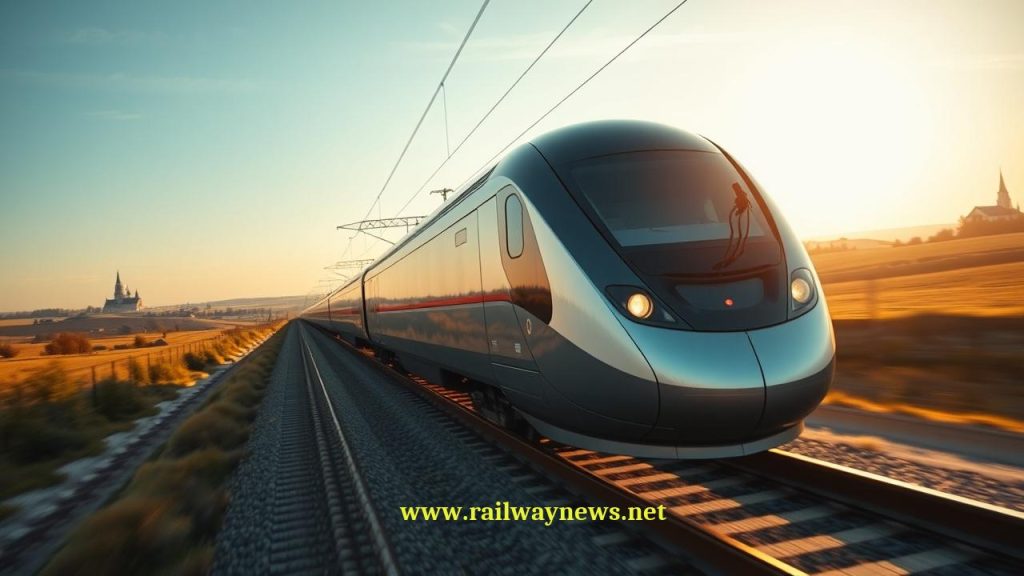
⚡ In Brief: Poland is preparing to liberalize its state-dominated long-distance rail market after 2030, with consultations revealing interest from at least 10 potential operators for subsidized services amid major national high-speed network development.
WARSAW, POLAND – Polish authorities are developing a new market model to introduce competition into the long-distance passenger rail segment when the current public service contract with state-owned operator PKP Intercity expires after 2030. Recent consultations attracted 23 entities, with 10 operators expressing interest in publicly subsidized services and 7 targeting commercial routes.
What Does This Regulation Cover?
The planned market liberalisation covers both publicly subsidized and commercial long-distance rail services currently operated almost entirely by PKP Intercity. The framework, being developed by the Ministry of Infrastructure and entities like Port Polska, will establish the rules for future competitive tenders for state-funded routes. Key issues raised by potential entrants during consultations include the need for a predictable tender schedule, access to historical passenger traffic data held by the incumbent, and non-discriminatory access to rolling stock, particularly vehicles purchased with EU funds.
Key Regulatory Data
| Parameter | Value |
|---|---|
| Regulation / Policy Name | Polish Long-Distance Rail Market Liberalisation |
| Total Value | Not disclosed |
| Parties Involved | Polish Ministry of Infrastructure, PKP Intercity, Centralny Port Komunikacyjny (CPK), Port Polska, Polskie Linie Kolejowe (PKP PLK), 17 potential new operators |
| Timeline / Completion | Post-2030 (market opening); 2032 (target for first HSR line); 2035 (HRJ timetable update) |
| Country / Corridor | Poland (nationwide interregional and international services) |
How Does This Compare to Global Standards?
Poland’s planned liberalisation aligns with a broader European trend, but its success will hinge on implementing supporting regulations that have proven critical elsewhere. The withdrawal of RegioJet from the Polish market, citing barriers to entry including sales channels, highlights a common challenge. This issue is being addressed at a continental level by new EU regulations taking effect in 2024-2025, which will mandate that dominant operators sell tickets for domestic competitors on their platforms, a measure designed to create a more level playing field (Source: Reuters, 2026). The Polish strategy of timing the market opening with the launch of new high-speed infrastructure after 2032 mirrors the experience in Italy and Spain, where new entrants like Italo and Iryo successfully competed with incumbents primarily on newly built high-speed lines.
Editor’s Analysis
The timing of Poland’s market opening is strategically synchronised with the delivery of its new national high-speed network, including the “Y” axis and Centralny Port Komunikacyjny (CPK) hub, expected to begin operations around 2032. This approach aims to attract high-speed specialists by offering a technologically advanced and unconstrained network from day one, rather than forcing them to compete on congested legacy infrastructure. However, the ultimate success of this liberalisation will depend on whether Polish regulators proactively dismantle the structural advantages of the incumbent, PKP Intercity, particularly regarding access to passenger data and EU-funded rolling stock, which remain significant barriers to entry.
FAQ
Q: Which specific companies are interested in entering the Polish market?
A: The official list of the 17 operators (10 for subsidized, 7 for commercial) that expressed interest has not been publicly disclosed. The consultations included 23 entities from Poland and abroad, indicating a mix of domestic and international interest.
Q: When will the new competitive tenders be launched?
A: A definitive schedule has not been published. Potential operators have requested that tenders be launched gradually and well in advance of the post-2030 contract start date to allow sufficient time for investment in rolling stock and operational resources.
Q: How does this affect the development of Poland’s new high-speed rail network?
A: The market liberalisation is designed to run in parallel with the high-speed rail development. The goal is to have a competitive market structure in place when key sections of the new network, such as the “Y” line, become operational starting around 2032, thereby maximising the new infrastructure’s use and service offerings.

Railway infrastructure, rolling stock and transport technologies specialist focused on global rail industry developments, high-speed rail systems, signaling technologies and freight transportation. Covering railway investments, public transport modernization, rail operations and international mobility projects across Europe, Asia and North America.
RELATED POSTS
September 6, 2026 5:19 am
Hitachi delivered Taiwan's first N700ST high-speed train from Japan in...

September 5, 2026 4:19 pm
CPK launched formal tender talks with four consortia to design...

September 5, 2026 7:14 pm
HS2 Ltd signed renegotiated civils contracts with EKFB and Align...
September 6, 2026 6:17 am
Hungary ordered a national ban on most freight trains from...
September 6, 2026 1:17 am
Hitachi Toshiba Supreme Consortium confirmed the first of 12 N700ST...
September 5, 2026 6:17 pm
Universal Signalling won a deal to install its U-Cross system...