
MTA Launches New Real-Time App for NYC Subway Buses
MTA launched its new real-time NYC subway and bus app in Q2 2024, featuring tracking and 24/7 support.
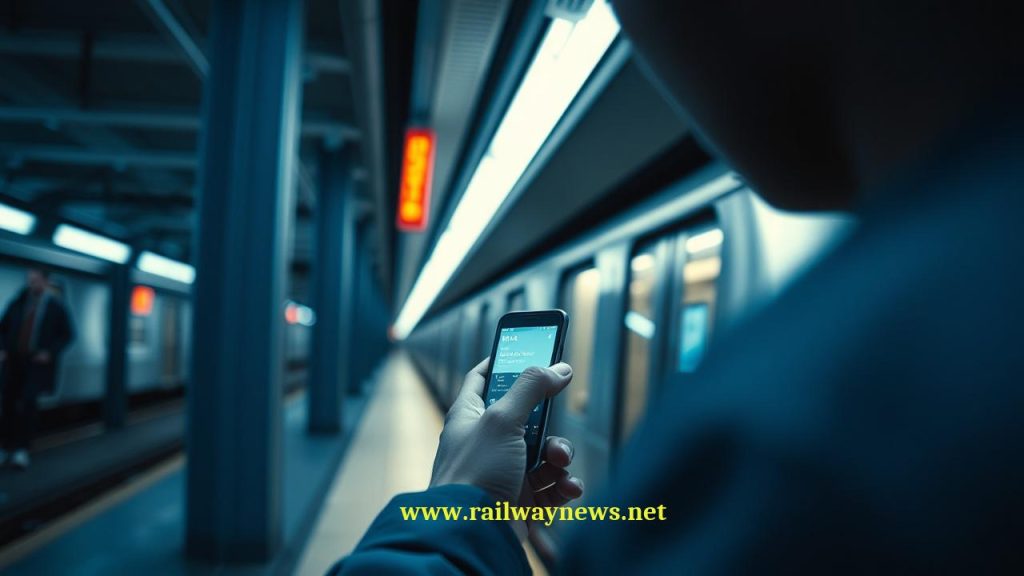
⚡ In Brief: The Metropolitan Transportation Authority (MTA) in New York has launched a new, in-house developed mobile app for subway and bus riders, featuring real-time tracking, 24/7 customer support, and wayfinding, separate from its commuter rail ticketing application.
NEW YORK, USA – New York’s Metropolitan Transportation Authority (MTA) has released a rebuilt mobile application for its subway and bus network. Developed in-house by MTA staff, the new app provides real-time vehicle tracking, service alerts, and live customer support. This digital upgrade is part of a broader agency strategy that includes a $68 billion investment in physical assets under its 2025–2029 Capital Plan.
What Are the Technical Specifications?
The new MTA app integrates real-time arrival data for trains and buses, live vehicle location maps, and 24/7 chat support. Key features added include station wayfinding, clearer subway direction labels, live transfer times, and the ability to save favorite routes. The development was handled internally by MTA staff, allowing for agile updates without third-party vendor dependencies and keeping development costs to a minimum.
Key Technical Data
| Parameter | Value |
|---|---|
| Technology / System Name | New MTA App |
| Total Value | Not disclosed (described as “minimal cost”) |
| Parties Involved | Metropolitan Transportation Authority (in-house development) |
| Timeline / Completion | Launched Q2 2024; additional updates expected in 2026 |
| Country / Corridor | USA / New York City |
Where Does This Technology Stand in the Market?
The MTA’s decision to develop its app in-house mirrors the strategy of Transport for London (TfL), whose “TfL Go” app also provides integrated real-time data and journey planning developed internally. In contrast, many North American agencies partner with third-party aggregators like the Transit app, which integrates multiple modes including bikeshare and ride-hailing but relies on agency-provided data feeds. The MTA’s approach provides greater control over the user experience and feature roadmap, though it may lack the broad multi-modal integration of third-party platforms. The 2026 timeline for further updates aligns with other North American rail technology initiatives, such as a new operations app linked to Canada’s Ottawa-Montreal HSR project advancing the same year (Source: ALTO, 2024).
Editor’s Analysis
The launch of an in-house app signifies a strategic shift for the MTA, prioritizing direct control over its digital passenger interface rather than outsourcing it. This move allows for better data collection and service integration, reflecting a wider industry trend where major operators seek to own the end-to-end customer relationship. This digital investment occurs alongside a massive $68 billion capital plan to renew its physical fleet, including over 2,000 new subway cars, indicating a dual focus on both immediate rider experience and long-term infrastructure health (Source: MTA, 2024).
FAQ
Q: Does the new MTA app replace the TrainTime app for LIRR and Metro-North?
A: No, the new app is specifically for New York City Transit subways and buses. Riders must continue to use the separate MTA TrainTime app for Long Island Rail Road and Metro-North Railroad ticketing and trip planning.
Q: What was the cost to develop this new application?
A: The MTA has stated the app was developed in-house at “minimal cost.” However, the specific budget or total expenditure for the project has not been publicly disclosed.
Q: Can I use this app to report a lost item?
A: Yes, the app provides a direct link to the MTA’s official lost-and-found page. This feature is designed to make it easier for riders to file claims for property lost on the subway or bus system.

Railway infrastructure, rolling stock and transport technologies specialist focused on global rail industry developments, high-speed rail systems, signaling technologies and freight transportation. Covering railway investments, public transport modernization, rail operations and international mobility projects across Europe, Asia and North America.
RELATED POSTS

September 5, 2026 4:19 pm
CPK launched formal tender talks with four consortia to design...

September 6, 2026 4:12 am
Alstom delivered the first of 100 new G Class trams...

September 6, 2026 8:17 am
DB InfraGO reopened the Nuremberg-Regensburg line in Bavaria on 31...
September 5, 2026 6:17 pm
Universal Signalling won a deal to install its U-Cross system...

September 6, 2026 12:20 pm
Indian Railways ordered a probe after a fire destroyed 2...

September 7, 2026 4:15 pm
Zimbabwe approved the EUR 3 billion Harare Light Rail project,...