
Sound Transit Cuts West Seattle Link Extension Cost by $2.1B
Sound Transit reduces West Seattle Link Extension cost by $2.1B, targeting $4.9B-$5.3B. Ballard Link EIS expected in 2026.
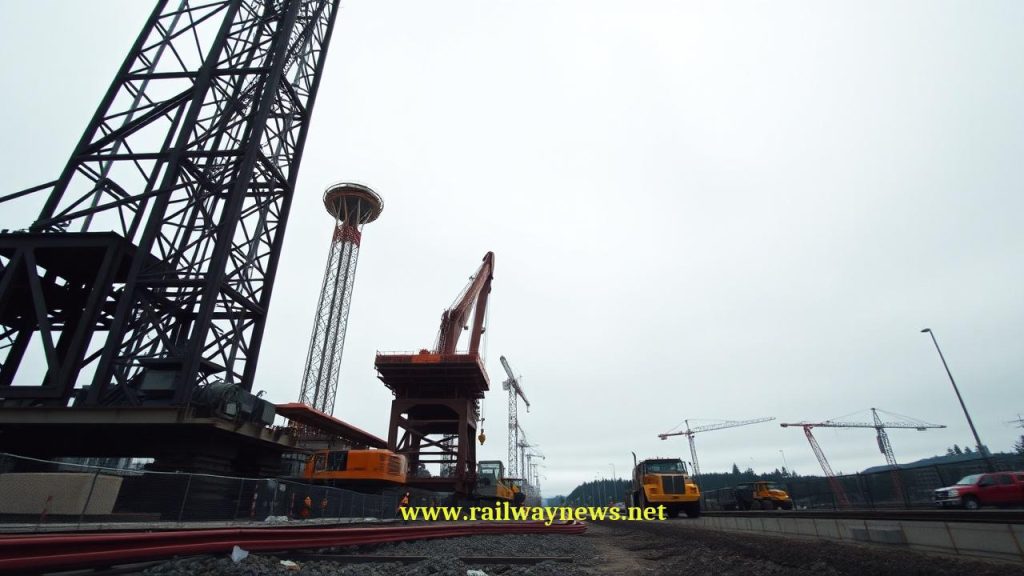
⚡ In Brief: Seattle’s Sound Transit is exploring options to cut the West Seattle Link Extension’s projected cost by up to $2.1 billion from its original $7 billion estimate, aiming for a new target between $4.9 billion and $5.3 billion to address future financial challenges.
SEATTLE, USA – The Sound Transit board is actively reviewing cost-saving measures for the West Seattle Link Extension project to reduce its projected cost from $7 billion. The agency seeks to lower the budget to a range of $4.9 billion to $5.3 billion amid long-term affordability challenges anticipated in the 2030s. A final environmental impact statement for the related Ballard Link Extension is expected in 2026.
What Is the Full Scope of This Project?
The West Seattle Link Extension is a key component of the voter-approved Sound Transit 3 (ST3) program designed to expand light rail infrastructure in the Puget Sound region. While the agency currently holds over $8 billion in cash and investments, this cost realignment initiative is a proactive measure to ensure long-term financial stability for its capital improvement plan. The specific strategies being considered to achieve the projected cost reductions have not been publicly disclosed by Sound Transit.
Key Project Data
| Parameter | Value |
|---|---|
| Project / Contract Name | West Seattle Link Extension Cost Realignment |
| Total Value | Original estimate: $7 billion; Target range: $4.9B – $5.3B |
| Parties Involved | Sound Transit |
| Timeline / Completion | EIS for Ballard Link expected 2026; long-term challenges cited for 2030s |
| Country / Corridor | USA / Seattle, WA |
How Does This Compare to Similar Projects?
The revised cost target for the approximately 4.7-mile West Seattle Link Extension places its estimated cost-per-mile between $1.04 billion and $1.13 billion. This figure is significantly higher than other major US transit projects, such as the Honolulu Rail Transit project, which has an estimated cost of $620 million per mile for its 20-mile system, although that project has faced extensive delays and budget overruns (Source: Honolulu Authority for Rapid Transportation, 2023). The high per-mile cost in Seattle reflects the engineering complexity and high construction costs prevalent in dense urban environments on the West Coast.
Editor’s Analysis
Sound Transit’s proactive cost review highlights a critical trend for US transit authorities: addressing escalating capital project costs before they create systemic financial crises. By realigning budgets nearly a decade before affordability gaps are projected to appear, the agency is attempting to maintain public trust and ensure the deliverability of its ambitious ST3 program. This type of forward-looking financial management is becoming a necessary survival strategy for public agencies facing inflationary pressures and uncertain future revenue streams (Source: American Public Transportation Association, 2025 Report).
FAQ
Q: Why is Sound Transit trying to reduce the project’s cost?
A: The agency is forecasting long-term affordability challenges that are expected to begin in the 2030s. This cost reduction effort is a proactive measure to align the project’s budget with future financial projections, despite Sound Transit’s currently stable financial position.
Q: What is the status of the Ballard Link Extension?
A: The Ballard Link Extension, another major project in the ST3 program, remains in the planning phase. The final environmental impact statement for that project is anticipated to be released in 2026.
Q: Will the cost reductions impact the planned route or number of stations?
A: Sound Transit has not officially disclosed the specific measures being considered to achieve the cost savings. Therefore, any potential impact on the project’s alignment, station designs, or service levels has not been confirmed.

Transport and railway industry editor covering global rail infrastructure, sustainable mobility, urban transit systems and next-generation railway technologies with a focus on accessible and industry-focused reporting.
RELATED POSTS
September 6, 2026 5:19 am
Hitachi delivered Taiwan's first N700ST high-speed train from Japan in...

September 5, 2026 4:19 pm
CPK launched formal tender talks with four consortia to design...

September 6, 2026 4:12 am
Alstom delivered the first of 100 new G Class trams...

September 5, 2026 7:14 pm
HS2 Ltd signed renegotiated civils contracts with EKFB and Align...
September 6, 2026 6:17 am
Hungary ordered a national ban on most freight trains from...
September 6, 2026 1:17 am
Hitachi Toshiba Supreme Consortium confirmed the first of 12 N700ST...