
PKP Intercity Orders 35 Hybrid Units for €798M Poland
PKP Intercity ordered 35 hybrid units from Newag for €798 million for Poland, with delivery by 2029.
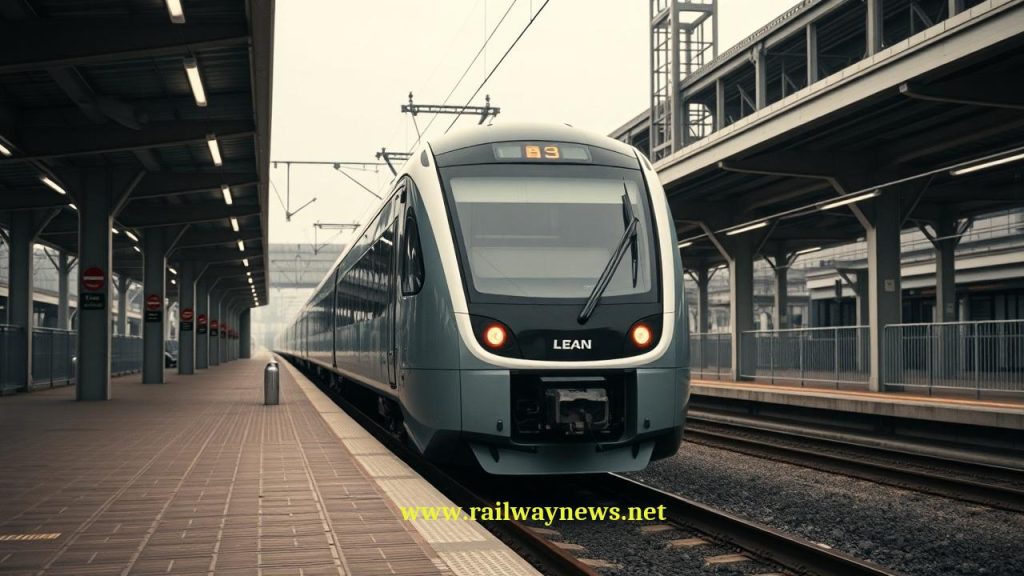
⚡ In Brief: Polish operator PKP Intercity has contracted manufacturer Newag to supply 35 bi-mode hybrid multiple units for €798 million (PLN 3.36 billion), with the first train scheduled for delivery in 2027 to improve services on mixed-electrification routes.
NOWY SĄCZ, POLAND – The first of 35 new hybrid multiple units for PKP Intercity was presented at the Newag factory in Nowy Sącz. The contract, valued at PLN 3.36 billion (€798 million), will see all units delivered by the second quarter of 2029. The bi-mode trains are designed to operate on both electrified and non-electrified sections of Poland’s rail network.
What Does This Contract Cover?
The agreement covers the design, manufacture, and delivery of 35 dual-traction hybrid multiple units capable of operating at 160 km/h under electric power and 120 km/h using four Stage V-compliant diesel engines. Each unit will provide 179 seats, including 21 in first class and two spaces for passengers with disabilities. The technical design is future-proofed, allowing for a potential future installation of an alternative emission-free power source. Onboard systems include ETCS for safety, air conditioning, power outlets, and dedicated family and quiet zones.
Key Contract Data
| Parameter | Value |
|---|---|
| Contract Name | PKP Intercity Hybrid Multiple Unit Procurement |
| Total Value | PLN 3.36 billion (EUR 798 million) |
| Parties Involved | PKP Intercity (operator), Newag (manufacturer), Polish Ministry of Infrastructure |
| Timeline / Completion | First delivery 2027; all 35 units by Q2 2029 |
| Country / Corridor | Poland / National network (electrified and non-electrified lines) |
How Does This Compare to Similar Contracts?
The per-unit cost of the Newag hybrid trains is approximately €22.8 million. For comparison, Alstom’s 2025 contract to supply 153 Adessia Stream trains to Comboios de Portugal was valued at €1.03 billion, equating to a much lower per-unit cost of approximately €6.73 million (Source: Manila Times, 2026). The significant price difference is attributable to the technological complexity; the PKP Intercity units are sophisticated long-distance bi-mode (diesel-electric) trains, whereas the Adessia Stream units for Portugal are designed primarily for regional electric-only operation, which involves simpler propulsion and control systems. The specific financing arrangements for the PKP Intercity contract were not disclosed.
Editor’s Analysis
This procurement is a critical element of Poland’s broader national transport strategy, which includes the Port Polska (also known as CPK) project to build a new central airport hub between Warsaw and Łódź, fully integrated with a national high-speed rail system. These hybrid trains will function as vital feeder services, extending the reach of the new high-speed network into regions with non-electrified lines and reducing transport exclusion for millions of citizens. This investment reflects a wider European trend of deploying bi-mode technology to bridge gaps in network electrification and accelerate decarbonisation efforts without the immediate cost of full infrastructure upgrades (Source: FlightGlobal, 2024).
FAQ
Q: Why are hybrid trains necessary for PKP Intercity?
A: Hybrid trains eliminate the need for time-consuming locomotive changes on routes that combine electrified and non-electrified track. This will shorten journey times and enable the return of direct long-distance services to 14 localities for the first time in decades.
Q: How does this order fit into Poland’s larger infrastructure plans?
A: The trains are a key component of Poland’s strategy to enhance national connectivity ahead of the 2032 opening of the Port Polska transportation hub. These units will connect smaller cities to the new integrated high-speed rail and air network, expanding its catchment area.
Q: What is the operational range of these trains on diesel power?
A: The trains have a stated range of up to 920 km on a single tank of fuel when operating on their four Stage V-compliant combustion engines. The specific model name of the Newag hybrid unit has not been publicly announced.

Railway infrastructure, rolling stock and transport technologies specialist focused on global rail industry developments, high-speed rail systems, signaling technologies and freight transportation. Covering railway investments, public transport modernization, rail operations and international mobility projects across Europe, Asia and North America.
RELATED POSTS
September 6, 2026 5:19 am
Hitachi delivered Taiwan's first N700ST high-speed train from Japan in...

September 5, 2026 4:19 pm
CPK launched formal tender talks with four consortia to design...

September 6, 2026 4:12 am
Alstom delivered the first of 100 new G Class trams...

September 5, 2026 7:14 pm
HS2 Ltd signed renegotiated civils contracts with EKFB and Align...
September 6, 2026 6:17 am
Hungary ordered a national ban on most freight trains from...
September 6, 2026 1:17 am
Hitachi Toshiba Supreme Consortium confirmed the first of 12 N700ST...