
Bolton-Manchester Rail Corridor: Optimizing Passenger Experience
Optimize your rail infrastructure for a superior passenger experience. Modernize stations, streamline schedules, and prioritize accessibility for a more efficient and enjoyable journey.
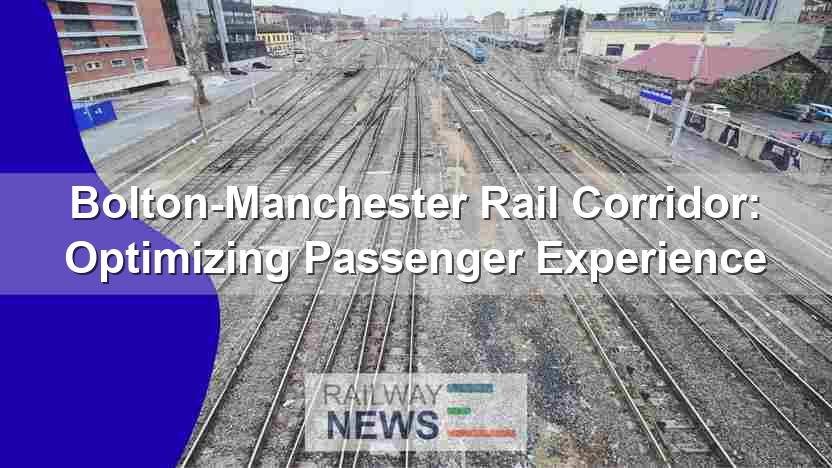
The modern rail network is a complex tapestry of infrastructure, operations, and passenger expectations. This article explores the critical factors influencing the passenger experience, exploring how optimization strategies can enhance efficiency, safety, and overall satisfaction. From station design to timetable scheduling, we’ll analyze key components that contribute to a superior rail journey. This exploration will address the evolving needs of rail users, considering factors like accessibility, connectivity, and environmental sustainability. Ultimately, the aim is to identify practical strategies for railway authorities and operators to create a more enjoyable and reliable rail experience for all passengers.
Modernizing Station Design for Enhanced Passenger Flow
Station design plays a crucial role in the overall passenger experience. A well-designed station optimizes passenger flow, minimizes wait times, and fosters a comfortable environment. This involves careful consideration of platform length, access ramps, escalator placement, and signage clarity. Efficient use of space and well-lit, easily navigable layouts are critical to reducing passenger stress and improving safety. Additionally, incorporating modern technologies like real-time information displays and automated ticket kiosks can significantly streamline the passenger experience, reducing potential delays and frustrations. Consideration of diverse passenger needs, including those with disabilities, is paramount, and ADA compliance should be rigorously adhered to.
Optimizing Train Scheduling and Infrastructure for Reliability
Timetable optimization is a cornerstone of a reliable and efficient rail network. The scheduling process involves balancing passenger demand, operational constraints (such as track capacity and maintenance schedules), and the need for timely connections. Factors such as train frequency, platform allocation, and dwell times are critical variables. Detailed modeling and simulations are essential to understanding the interplay of these variables. Additionally, robust maintenance schedules are critical to minimize track and signal disruptions, and efficient communication systems between train operators and control centers are crucial to addressing potential issues promptly. Investing in advanced signaling systems can significantly improve the reliability and punctuality of train services.
Accessibility and Connectivity: A Holistic Approach to Passenger Experience
A truly effective rail network prioritizes accessibility for all passengers. This encompasses not just physical access but also considerations for cognitive impairments and the needs of individuals with disabilities. Implementing ramps, elevators, and tactile paving at stations, ensuring appropriate signage and clear audio announcements, and developing accessible train interiors are all vital. Connectivity is equally important. Seamless connections between different lines and modes of transport – including buses, trams, and metros – are paramount to providing a detailed and efficient travel experience. Collaboration with transit authorities and the development of integrated ticketing systems will help integrate the total transportation network.
Conclusion: Building a Future-Ready Rail Network
This exploration of enhancing the passenger experience on rail systems highlights the interconnectedness of various elements, from infrastructure design to scheduling and accessibility. Modernizing stations is crucial for smooth passenger flow, and optimized train schedules ensure reliability and minimize disruptions. Accessibility considerations and integrated connectivity form the backbone of a detailed and user-friendly travel system. Investing in advanced technologies like real-time information displays and modernized signalling systems will significantly improve passenger satisfaction and safety. Ultimately, a future-ready rail network must adapt to the evolving needs of passengers and incorporate sustainable practices. This requires continuous monitoring, evaluation, and iterative improvements to ensure the rail system remains a valuable and integral part of the transportation network, providing a seamless, enjoyable, and efficient journey. In the context of the Bolton Manchester rail corridor, these principles of efficient station design, robust scheduling, accessibility, and technology integration are particularly important for maximizing the effectiveness and appeal of this vital transport artery.
Improving the passenger experience goes far beyond simply getting from point A to point B. It’s about creating a comfortable, efficient, and enjoyable experience that fosters loyalty and encourages the use of public transportation systems. By embracing these optimization strategies, railway authorities and operators can cultivate a network that not only meets current demands but also anticipates and addresses future needs. This approach promises a sustainable and thriving rail system for years to come.
You might be interested in:
Last January 2019, we looked into the shockingly bad air quality on the London Underground. Click here to read – London Underground: Toxic Air Crisis?

Railway infrastructure, rolling stock and transport technologies specialist focused on global rail industry developments, high-speed rail systems, signaling technologies and freight transportation. Covering railway investments, public transport modernization, rail operations and international mobility projects across Europe, Asia and North America.
RELATED POSTS
September 6, 2026 5:19 am
Hitachi delivered Taiwan's first N700ST high-speed train from Japan in...

September 5, 2026 4:19 pm
CPK launched formal tender talks with four consortia to design...

September 6, 2026 4:12 am
Alstom delivered the first of 100 new G Class trams...

September 5, 2026 7:14 pm
HS2 Ltd signed renegotiated civils contracts with EKFB and Align...
September 6, 2026 1:17 am
Hitachi Toshiba Supreme Consortium confirmed the first of 12 N700ST...
September 6, 2026 6:17 am
Hungary ordered a national ban on most freight trains from...