
Alstom’s NY Railcars: Modernizing LIRR & Metro-North’s Commuter Rail
Alstom wins €2B contract for new NY commuter rail cars. Modernizing aging LIRR and Metro-North fleets.
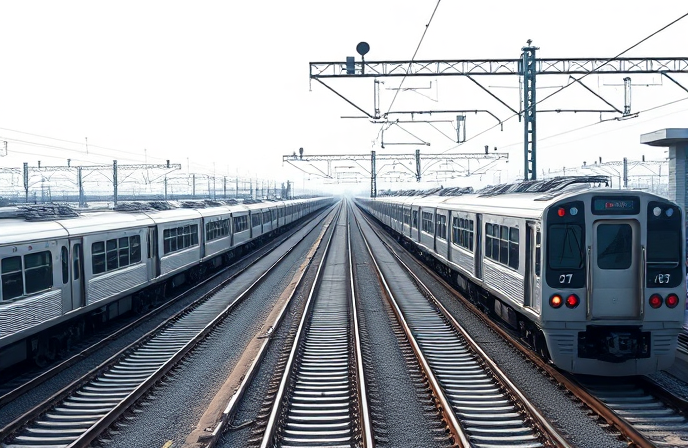
Alstom Awarded EUR 2 Billion Contract to Supply New Commuter Railcars for New York’s LIRR and Metro-North
Alstom, a global leader in smart and sustainable mobility, has been awarded a significant contract by the New York Metropolitan Transportation Authority (MTA), as announced on July 7, 2025. The EUR 2 billion deal encompasses the manufacture of 316 new commuter railcars destined for the Long Island Rail Road (LIRR) and Metro-North Railroad, the two primary commuter rail divisions serving the New York metropolitan area. This crucial contract addresses the urgent need to modernize aging infrastructure. This article will delve into the details of this large-scale project, examining the technical specifications of the new rolling stock, the projected impact on passenger experience, and the broader strategic implications for Alstom and the MTA. The 5W1H—Who (Alstom), What (manufacturing commuter railcars), When (announced July 7, 2025), Where (LIRR and Metro-North, New York), Why (replace aging infrastructure and improve passenger experience), and How (through Alstom’s Adessia commuter rail portfolio)—are all addressed within this article.
Modernizing the Commuter Fleet: Addressing the M-3 Legacy
The primary objective of this initiative is the replacement of the M-3 railcars, which have been in service for approximately 40 years. These aging units, the oldest models currently operating on the commuter lines, are set to be retired in favor of the newer, more efficient M-9A passenger vehicles. The introduction of the M-9A cars promises a significant enhancement to the passenger experience. Commuters can expect a quieter, smoother, and more reliable ride, a considerable upgrade compared to the legacy M-3 fleet. The new railcars are designed with passenger comfort and accessibility in mind, featuring USB charging ports, ample space for wheelchairs, and accessible restrooms. This transition demonstrates the MTA’s commitment to delivering a modern and accessible transportation experience for its riders.
Enhanced Passenger Experience and Operational Efficiency
The M-9A vehicles are engineered to improve both passenger convenience and operational efficiency. Crucially, the new railcars retain the same two sets of extra-wide doors on each side, a design feature that has proven critical in facilitating rapid boarding and disembarkation, especially during peak hours. This ensures that trains can adhere to their schedules and reduce dwell times at stations, critical factors in maintaining the LIRR and Metro-North’s operational performance. Additionally, the electric multiple units (EMUs) nature of the new railcars eliminates the need for locomotives, streamlining operations and reducing emissions. The LIRR, the busiest commuter rail operator in the U.S., will receive 160 cars, while Metro-North will receive 156, signifying a substantial overhaul of the existing fleets and signaling improved public transit capabilities.
Leveraging Advanced Technology and Cybersecurity
The new railcars are equipped with cutting-edge technology, including adherence to the MTA’s latest cybersecurity standards. This is particularly important for protecting the train’s internal systems and external communications, safeguarding against cyber threats, and ensuring the continuous operation of the rail network. The commitment to cybersecurity reflects the increasing importance of digital security in modern rail operations, protecting against disruptions and safeguarding passenger data. The incorporation of advanced technologies reflects Alstom’s capabilities in developing intelligent mobility solutions, integrating these technologies into the design and operations of the rolling stock.
Alstom’s Adessia Portfolio and Upstate New York Economic Impact
The M-9A passenger vehicles are part of Alstom’s Adessia commuter rail portfolio, showcasing the company’s ability to offer a wide range of high-floor multiple units and coaches suitable for various environments and operating conditions. The flexibility of the Adessia platform allows for single-deck or double-deck configurations, providing solutions appropriate for different commuter requirements and climatic conditions. These railcars are designed to operate effectively at speeds between 120-200 km/h on both electrified and non-electrified networks. The contract is also poised to generate approximately 300 jobs across Alstom’s two production sites in upstate New York, with many of these positions filled by members of the International Association of Machinists (IAM) union. This highlights the positive economic impact of the contract, providing additional stability to the regional economy.
Conclusion
The contract awarded to Alstom for the supply of new commuter railcars marks a significant step forward in modernizing New York’s commuter rail infrastructure. This investment represents more than a simple fleet upgrade; it signifies a commitment to improving passenger experience, enhancing operational efficiency, and embracing cutting-edge technologies, particularly in cybersecurity. The transition to the M-9A vehicles, replacing the aging M-3 fleet, will greatly improve the daily commutes of thousands of riders. Moreover, the project reinforces Alstom’s position as a key player in the North American rail market and illustrates its capabilities in delivering innovative and sustainable mobility solutions. Looking ahead, the option for up to 242 additional cars suggests the potential for further expansion and enhancements to the MTA’s commuter rail services, allowing the agencies to accommodate growing ridership demands while maintaining the efficient operations that serve its riders.
Company Summary: Alstom
Alstom is a global leader in the railway sector, specializing in the design, manufacturing, and servicing of a wide range of railway solutions, including trains, signaling systems, and infrastructure. Alstom’s operations extend across various countries and regions, consistently focusing on innovative, sustainable, and intelligent mobility solutions. The company’s extensive portfolio includes high-speed trains, commuter railcars, metro vehicles, and signaling systems, demonstrating a commitment to delivering reliable and efficient transportation solutions. Their commitment to innovation and sustainable development places them in a strategic position to continue to assist in the development of future transport options.

Railway infrastructure, rolling stock and transport technologies specialist focused on global rail industry developments, high-speed rail systems, signaling technologies and freight transportation. Covering railway investments, public transport modernization, rail operations and international mobility projects across Europe, Asia and North America.
RELATED POSTS
September 6, 2026 5:19 am
Hitachi delivered Taiwan's first N700ST high-speed train from Japan in...

September 5, 2026 4:19 pm
CPK launched formal tender talks with four consortia to design...
September 6, 2026 4:12 am
Alstom delivered the first of 100 new G Class trams...
September 5, 2026 7:14 pm
HS2 Ltd signed renegotiated civils contracts with EKFB and Align...
September 6, 2026 6:17 am
Hungary ordered a national ban on most freight trains from...
September 6, 2026 1:17 am
Hitachi Toshiba Supreme Consortium confirmed the first of 12 N700ST...