
Adif’s €100M Rail Safety: Spain’s Infrastructure Boost
Spain’s Adif awards €100M contract for railway safety system maintenance. Improved reliability and safety are key goals.
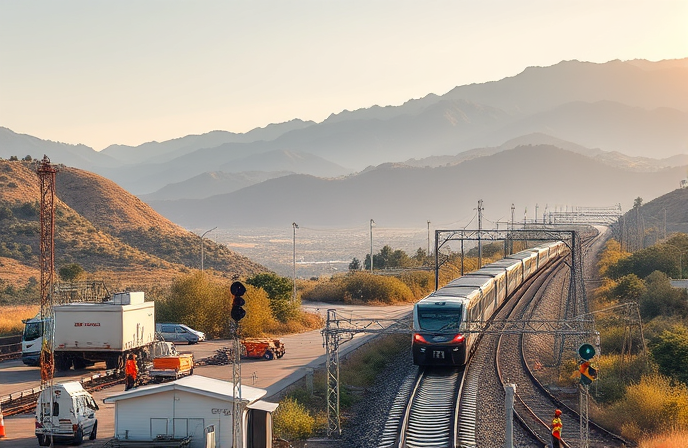
Adif Awards €100 Million Contract to Bolster Railway Safety System Maintenance
In a move to enhance the reliability and safety of its extensive rail network, Adif, Spain’s railway infrastructure manager, has awarded a significant €100 million contract for support services in maintaining its crucial railway safety systems. The contract, spanning the next 36 months, addresses a critical need to ensure seamless operations across both conventional and high-speed rail lines. This initiative, announced on [Insert date of announcement/publication if known, otherwise leave blank], aims to minimize disruptions, reduce system downtime, and ultimately, improve the overall efficiency and safety of railway services throughout Spain. The project represents a detailed approach, focusing on preventative and corrective maintenance, while simultaneously incorporating system upgrades to bolster the performance of railway signalling and control equipment. This article will delve into the specifics of the contract, examining the scope of work, regional distribution, and its strategic implications for the future of Spanish rail transport.
Detailed Maintenance and System Upgrades
The Adif contract is structured to provide vital support to its in-house teams responsible for maintaining safety installations. The awarded services encompass a broad range of maintenance activities, including both preventative and corrective measures. Preventive maintenance, executed at predetermined intervals or following specific criteria, is designed to proactively address potential issues before they escalate into major disruptions. Corrective maintenance, conversely, is triggered by the detection of a fault and involves the immediate rectification of malfunctions. Beyond routine maintenance, the contract also incorporates investment works geared towards improving operational conditions and enhancing the overall performance of these critical safety systems. This includes the provision of necessary materials to carry out the maintenance and upgrade activities, guaranteeing the availability of essential resources. The railway safety systems under the purview of this contract cover all critical signalling and control equipment, including those for train detection, speed monitoring, level crossings, and interlocking systems that ensure the safe separation of trains.
Regional Focus and Localized Management
To ensure efficient and targeted service delivery, the €100 million contract has been divided into six regional lots, strategically aligned to Adif’s operational divisions: Central, Northwest, South, East, Northeast, and North. This decentralized approach enables the implementation of tailored logistics, staffing, and technical requirements, specifically adapted to the unique characteristics of each region’s infrastructure and traffic needs. By adopting a localized management strategy, Adif aims to optimize response times to incidents and efficiently deploy resources, thereby minimizing disruption and enhancing the overall reliability of rail services across the country. This segmentation also allows the contractor to gain deep insight into the local issues and traffic patterns to provide the most practical and efficient solutions. Each region is effectively a microcosm of the national railway network, requiring specialized expertise and resources.
Strategic Investment for a Modernised Network
This contract represents a strategic investment in maintaining the operational integrity and safety of Spain’s conventional and high-speed rail networks. With passenger and freight volumes continuing to rise, and with ongoing upgrades to digital signalling and control systems, ensuring the resilience and readiness of safety installations is absolutely critical. Adif’s proactive maintenance approach, coupled with the adoption of new technologies, enhanced diagnostics, and decentralized support structures, is expected to deliver measurable improvements in service reliability, drastically reduce response times to incidents, and extend the operational lifecycle of critical assets. The awarded contract forms part of a broader programme of infrastructure modernisation that is supported by national funding and, in some cases, benefits from co-financing from the European Union under various transport and cohesion frameworks. This integration of EU funding exemplifies Adif’s commitment to adhering to EU railway safety standards.
Conclusion
Adif’s investment in a €100 million maintenance contract signals a firm commitment to safeguarding the operational integrity of its rail networks, ensuring its capability to meet the growing demands of both passenger and freight transport. The detailed approach, which includes preventative and corrective maintenance alongside infrastructure upgrades, underscores a proactive strategy for minimizing disruptions and optimising service reliability. The regionalised structure will allow for efficient management and localized expertise, addressing the diverse needs of the network. The industry implications of this initiative are significant; it highlights the critical importance of sustained investment in rail infrastructure, supporting the overall goal of a safe, efficient, and modern transport system. Looking ahead, this contract lays the groundwork for enhancing safety and operational efficiency, paving the way for enhanced digital rail technologies in Spain and beyond. This investment is essential in keeping pace with the evolving demands of the railway sector and the continued modernization of the network.

Railway infrastructure, rolling stock and transport technologies specialist focused on global rail industry developments, high-speed rail systems, signaling technologies and freight transportation. Covering railway investments, public transport modernization, rail operations and international mobility projects across Europe, Asia and North America.
RELATED POSTS
September 6, 2026 5:19 am
Hitachi delivered Taiwan's first N700ST high-speed train from Japan in...
September 6, 2026 6:17 am
Hungary ordered a national ban on most freight trains from...
September 6, 2026 1:17 am
Hitachi Toshiba Supreme Consortium confirmed the first of 12 N700ST...

September 5, 2026 4:19 pm
CPK launched formal tender talks with four consortia to design...

September 6, 2026 4:12 am
Alstom delivered the first of 100 new G Class trams...
September 7, 2026 8:16 am
Midea, Gree and TCL shipped air conditioners via China Railway...