
Nexus’s Tyne & Wear Metro: £500m Rail Upgrade
The Tyne and Wear Metro’s £500 million fleet upgrade is revolutionizing North East transport. Discover how this ambitious project is modernizing the rail system and boosting the regional economy!
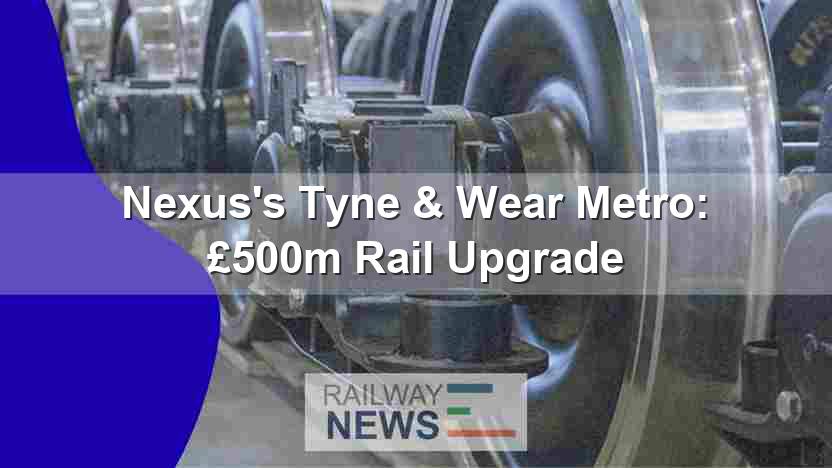
This article explores the significant investment by Nexus (the Tyne and Wear Passenger Transport Executive) in a new train fleet for the Tyne and Wear Metro system in the UK. The £500 million contract encompasses the design, manufacture, and 35-year maintenance of a completely new rolling stock, marking a substantial upgrade to the existing infrastructure. This project is not merely a procurement exercise; it represents a strategic commitment to modernizing a crucial element of the North East’s public transportation network. We will explore the selection process, the key contenders, the financial aspects, and the wider implications of this ambitious undertaking for passengers and the regional economy. The replacement of the ageing fleet will enhance passenger experience, improve operational efficiency, and ensure the long-term sustainability of the Tyne and Wear Metro.
The Bidders and the Selection Process
Nexus, the operator of the Tyne and Wear Metro, narrowed down the field of potential suppliers to five prominent players in the global rail industry. These shortlisted bidders represent a diverse range of international experience and technological capabilities: Bombardier Transportation UK, CAF (Construcciones y Auxiliar de Ferrocarriles), Hitachi Rail Europe, Stadler Bussnang, and a joint venture between Downer EDI Rail and CRRC Changchun Railway Vehicles. The selection process involved rigorous evaluation of bids based on factors such as technical specifications, cost-effectiveness, maintenance plans, and overall project delivery capabilities. This competitive bidding process ensures that Nexus secures the best possible value for its investment and ultimately enhances the quality of service provided to its passengers. The invitation to negotiate signifies a further stage of detailed discussions to refine proposals before the final contract award.
Financial Aspects and Funding
The project’s substantial cost, estimated at £500 million, is broken down into approximately £362 million for design and development of the new train fleet and an additional sum allocated to cover 35 years of maintenance. Securing the necessary funding was a key aspect of the project. Significant government support, amounting to approximately £337 million, has been committed to this initiative, highlighting the importance of the Tyne and Wear Metro to the UK’s national transport strategy. The remaining funding will likely be sourced from Nexus’s operating budget and potentially other sources of public and private investment.
Modernization and its Impact on Passengers
The replacement of the existing train fleet is expected to significantly improve the passenger experience on the Tyne and Wear Metro. The new trains will incorporate modern amenities, enhanced accessibility features for disabled passengers, and improved comfort levels. The introduction of new rolling stock will also enhance the overall reliability and efficiency of the system. The phased rollout, starting in late 2021, with the complete replacement anticipated by 2024, will allow for a manageable transition and minimize service disruptions. This modernization plan reflects a commitment to providing a high-quality public transportation service that meets the needs of the growing population in the North East of England.
Long-Term Implications and Strategic Significance
The Tyne and Wear Metro is a vital artery of the North East’s transport infrastructure, serving Newcastle, Sunderland, and numerous communities in between. This investment transcends the simple replacement of trains; it represents a long-term commitment to sustainable public transportation. The 35-year maintenance contract provides a framework for ongoing support and ensures the longevity of the new fleet. The project fosters innovation in the UK rail industry and contributes to the local economy through job creation during the manufacturing and maintenance phases. Additionally, the upgraded system will improve connectivity, support economic growth, and enhance the overall quality of life in the region. The government’s substantial contribution underlines the national significance of the Tyne and Wear Metro and its role in the UK’s overall transport network.
Conclusions
The Nexus £500 million investment in a new train fleet for the Tyne and Wear Metro represents a transformative undertaking for the region’s public transportation system. The rigorous bidding process resulted in the selection of five strong contenders, each with the capability to deliver a modern, efficient, and reliable fleet. Securing significant government funding demonstrates the national importance of this project. The benefits extend beyond new rolling stock; it signifies a commitment to enhancing passenger experience, improving operational efficiency, and supporting regional economic growth. The phased rollout, starting in late 2021, will minimize disruption. This upgrade ensures the long-term sustainability of the Tyne and Wear Metro as a vital component of the North East’s public transport infrastructure for decades to come. The project serves as a model for other urban rail systems facing similar modernization challenges, highlighting the importance of strategic planning, securing adequate funding, and engaging with experienced industry partners to deliver successful outcomes. The resulting improvements in service and reliability will positively impact commuters, businesses, and the overall economic vitality of the region, solidifying the Tyne and Wear Metro’s role as an essential part of the North East’s transportation network for generations to come.

Railway infrastructure, rolling stock and transport technologies specialist focused on global rail industry developments, high-speed rail systems, signaling technologies and freight transportation. Covering railway investments, public transport modernization, rail operations and international mobility projects across Europe, Asia and North America.
RELATED POSTS

September 6, 2026 5:19 am
Hitachi delivered Taiwan's first N700ST high-speed train from Japan in...

September 5, 2026 4:19 pm
CPK launched formal tender talks with four consortia to design...

September 5, 2026 7:14 pm
HS2 Ltd signed renegotiated civils contracts with EKFB and Align...

September 6, 2026 4:12 am
Alstom delivered the first of 100 new G Class trams...

September 6, 2026 1:17 am
Hitachi Toshiba Supreme Consortium confirmed the first of 12 N700ST...
September 6, 2026 6:17 am
Hungary ordered a national ban on most freight trains from...