
MTA’s $10.9B Rail Car Order: Modernizing NY Commuter Rail
MTA orders $10.9B in new rail cars, modernizing NYC commuter lines. New fleet, starting 2029, boosts capacity and service.
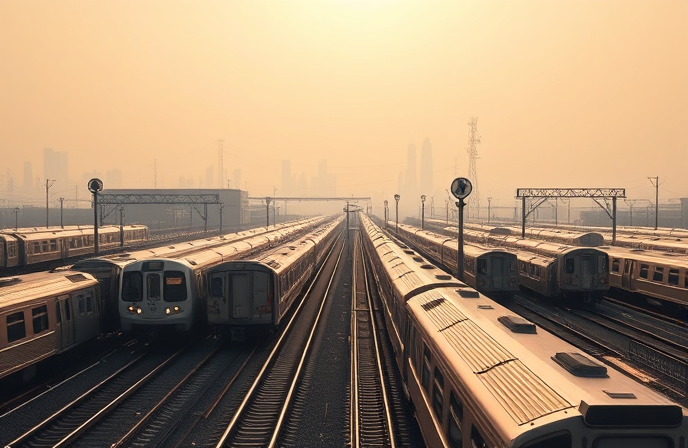
MTA Approves $10.9 Billion Rail Car Order, Kicking Off Fleet Modernization
In a move poised to reshape commuter rail service in the New York metropolitan area, the Metropolitan Transportation Authority (MTA) Finance Committee has greenlit the purchase of 316 new M-9A rail cars. Announced yesterday by New York Governor Kathy Hochul, the ambitious procurement, valued at $10.9 billion, is a cornerstone of the MTA’s new capital plan. This initial order, which includes 160 cars for the Long Island Rail Road (LIRR) and 156 for Metro-North Railroad, signifies the beginning of a detailed fleet replacement program. The new rail cars are expected to significantly improve passenger experience and operational efficiency. The delivery timeline, with pilot cars slated for 2029 and full deployment by 2032, underlines the scale and scope of this undertaking, a critical investment designed to modernize and enhance the region’s crucial commuter rail networks.
Fleet Replacement: Addressing Aging Infrastructure
The primary impetus behind the M-9A procurement stems from the need to replace aging rolling stock. Specifically, the new cars will supplant Metro-North’s M-3 fleet, which has exceeded its projected service life. Similarly, the LIRR will utilize the M-9As to retire its M-3 cars. The LIRR’s existing M-3 cars had their lifespan extended to support the opening of Grand Central Madison. This fleet renewal is crucial for maintaining service reliability and passenger safety across the region. The introduction of newer, more technologically advanced rail cars will contribute to reduced maintenance costs, enhance system performance, and elevate overall passenger experience. The phasing out of older cars also means less potential for breakdowns and delays.
Delivery and Deployment Strategy: A Phased Approach
Alstom, the selected manufacturer, will begin delivering pilot M-9A cars in 2029. These pilot cars will undergo rigorous testing and evaluation before the full deployment begins. The LIRR will likely be the first to see passenger service with the new cars, tentatively scheduled for 2030. The delivery schedule is designed to allow a controlled transition, ensuring that the new rolling stock integrates seamlessly into existing infrastructure and operational procedures. The final delivery of all 316 rail cars is anticipated by 2032, providing a significant boost to capacity and service quality on both the LIRR and Metro-North lines. The phased delivery allows for efficient training of staff and gradual adjustments to maintenance practices.
Technical Specifications and Passenger Benefits
While specific technical details are still being finalized, the M-9A cars are expected to incorporate the latest advancements in rail car technology. These include improved propulsion systems for enhanced energy efficiency and reduced emissions. The new cars will feature enhanced passenger amenities, such as more comfortable seating, improved accessibility features for passengers with disabilities, and enhanced Wi-Fi connectivity. Moreover, the new cars are likely to incorporate advanced safety systems, including sophisticated collision avoidance and enhanced braking systems. This upgrade will significantly enhance passenger safety and improve the overall comfort and reliability of the commuting experience for millions of riders.
Financial and Strategic Implications: A Long-Term Investment
The MTA’s $10.9 billion capital plan, of which this $300-plus car order is a key component, reflects a substantial commitment to long-term infrastructure investment. MTA Chair Janno Lieber highlighted the importance of the initial rail car order. This significant investment will not only replace aging infrastructure, it is also designed to upgrade and modernize existing train lines. This strategic investment is expected to generate long-term cost savings through reduced maintenance needs and improved operational efficiency. The order also sends a strong signal to the industry, signaling confidence in the long-term health of the region’s commuter rail services.
Conclusion
The MTA’s decision to procure 316 M-9A rail cars marks a pivotal moment in the modernization of the LIRR and Metro-North Railroads. This initial investment, a cornerstone of the MTA’s larger $10.9 billion capital plan, underscores the commitment to improving both passenger experience and operational efficiency. The phased rollout, beginning with pilot cars in 2029 and full deployment by 2032, is designed to minimize disruption while allowing for detailed integration into existing systems. The new cars, featuring modern technology and enhanced passenger amenities, are poised to redefine the commuting experience for millions of New Yorkers. Additionally, the large-scale procurement demonstrates confidence in the future of rail transport in the region and sets the stage for further infrastructure upgrades and service improvements. This initiative will likely inspire other commuter networks to follow the MTA’s lead. The long-term benefits, including reduced operating costs, improved reliability, and enhanced passenger satisfaction, will solidify the role of rail as a vital mode of transportation.
Company Summary: Alstom
Alstom, the manufacturer selected for the M-9A rail car order, is a global leader in smart and sustainable mobility. Alstom provides a wide range of products and services, including rolling stock, signaling, and infrastructure solutions. The company’s extensive experience in designing, manufacturing, and deploying passenger rail cars, including its commitment to innovation and sustainability, made it a strong contender for this project. Alstom has significant experience in the North American market, delivering vehicles and systems that enhance rail network capacity, comfort, and efficiency for several years. This expertise will be critical to the successful delivery and deployment of the M-9A cars.

Railway infrastructure, rolling stock and transport technologies specialist focused on global rail industry developments, high-speed rail systems, signaling technologies and freight transportation. Covering railway investments, public transport modernization, rail operations and international mobility projects across Europe, Asia and North America.
RELATED POSTS

September 6, 2026 5:19 am
Hitachi delivered Taiwan's first N700ST high-speed train from Japan in...

September 5, 2026 4:19 pm
CPK launched formal tender talks with four consortia to design...

September 6, 2026 4:12 am
Alstom delivered the first of 100 new G Class trams...

September 5, 2026 7:14 pm
HS2 Ltd signed renegotiated civils contracts with EKFB and Align...

September 6, 2026 6:17 am
Hungary ordered a national ban on most freight trains from...

September 6, 2026 1:17 am
Hitachi Toshiba Supreme Consortium confirmed the first of 12 N700ST...