
Keolis Wins Odense Light Rail Contract: A Danish Success Story
Keolis secures Odense’s new light rail network operation, a €230 million, 15-year contract showcasing their expertise in sustainable transit solutions. Discover how Keolis is transforming urban mobility!
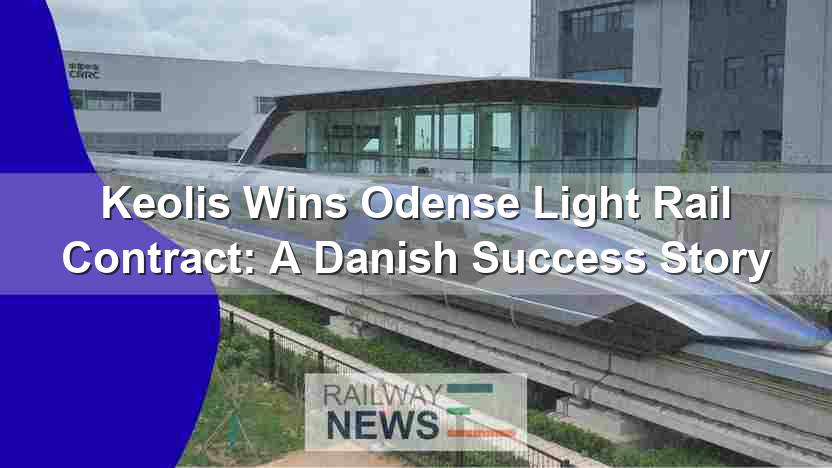
This article examines the significant contract awarded to Keolis to operate and maintain the new light rail network in Odense, Denmark. The agreement represents a substantial milestone for Keolis, solidifying their position in the Danish light rail market and showcasing their expertise in developing and managing modern, efficient transit systems. The Odense project, a 14.5km network with 26 stations, serves as a prime example of how light rail can revitalize urban areas, improve accessibility, and enhance the overall quality of life for residents. We will explore the details of the contract, the scope of Keolis’ responsibilities, the technological aspects of the system, and the broader implications for both Keolis and the city of Odense. The analysis will also consider the broader context of light rail development in Denmark and the potential for future expansion of similar projects within the country. This case study provides valuable insights into the complexities of light rail system implementation, the crucial role of private sector partnerships, and the long-term benefits of investing in sustainable public transportation.
Keolis’s Expansion in the Danish Light Rail Market
Keolis Odense Letbane (KOL) has been selected as the preferred operator for the Odense light rail network, a 15-year contract valued at €230 million. This win builds upon Keolis’s existing success in Denmark, where they already operate the Aarhus light rail network. The Odense contract demonstrates Keolis’ growing presence in the Scandinavian market and highlights their capabilities in managing large-scale public transit projects. The award underscores Keolis’s competitive advantage, stemming from their global expertise in developing light rail systems from the ground up (“greenfield” projects). This experience was a key factor in securing the Odense contract, demonstrating their ability to handle complex logistical and operational challenges.
The Odense Light Rail System: Infrastructure and Operations
The Odense light rail network, scheduled to open in late 2020, spans 14.5 kilometers and features 26 stations. The system connects Tarup in the north with Hjallese in the south, traversing the city center and serving the central train station, providing crucial connectivity for the city’s residents and commuters. The fleet consists of twelve Stadler trams, each with a capacity of 210 passengers, designed to accommodate the anticipated ridership of 12 million passengers annually. Keolis’s operational responsibilities encompass the full lifecycle of the system including maintenance, customer service, and overall system performance. This holistic approach is crucial for ensuring the long-term sustainability and efficiency of the network.
Technological Aspects and Sustainability
While the specific technologies employed in the Odense light rail network are not explicitly detailed, it’s likely that modern signaling and control systems, integrated fare collection, and real-time passenger information systems are incorporated. These technological advancements contribute significantly to the overall operational efficiency and passenger experience. Additionally, the selection of light rail as the chosen mode of transport inherently reflects a commitment to sustainable urban transportation, reducing reliance on private vehicles and associated greenhouse gas emissions. Light rail’s lower carbon footprint and capacity for high passenger volume aligns with broader environmental initiatives and urban planning goals.
Strategic Partnerships and Long-Term Impacts
The Keolis-Odense Letbane partnership underscores the importance of effective public-private collaborations in delivering successful large-scale infrastructure projects. Keolis’s international experience complements the local expertise of Odense Letbane, creating a synergy conducive to efficient project delivery and sustained operational excellence. The long-term implications of the project extend beyond transportation, impacting economic development, urban planning, and environmental sustainability. The improved connectivity fosters economic growth by facilitating access to employment centers, educational institutions, and recreational facilities. This enhancement to the city’s infrastructure contributes to improving the overall quality of life for Odense’s residents.
Conclusions
The awarding of the Odense light rail network operation contract to Keolis signifies a significant step forward for both the company and the city. Keolis’s selection highlights their competence in managing complex light rail projects, further strengthening their presence in the Danish market. The Odense project itself presents a model of sustainable urban development, focusing on efficient and environmentally conscious public transport. The 14.5km network, featuring 26 stations and a fleet of modern Stadler trams, will significantly enhance connectivity within Odense, benefiting residents and boosting the city’s economic growth. The estimated 12 million annual passengers demonstrate the network’s potential to transform urban mobility. The successful implementation of this project will depend on strong collaboration between Keolis and Odense Letbane, leveraging the best of both their expertise. This public-private partnership exemplifies a successful approach to infrastructure development, one that promises substantial returns in terms of economic growth, environmental sustainability, and improved quality of life for the citizens of Odense. The long-term success of the project will serve as a valuable case study for future light rail developments, both in Denmark and internationally. This success story demonstrates the potential of strategic investments in public transport to drive economic growth and enhance urban environments. The Odense light rail system is not merely a transportation network; it’s a catalyst for positive change within the city, setting a benchmark for future sustainable urban development initiatives.

Railway infrastructure, rolling stock and transport technologies specialist focused on global rail industry developments, high-speed rail systems, signaling technologies and freight transportation. Covering railway investments, public transport modernization, rail operations and international mobility projects across Europe, Asia and North America.
RELATED POSTS

September 5, 2026 4:19 pm
CPK launched formal tender talks with four consortia to design...

September 5, 2026 7:14 pm
HS2 Ltd signed renegotiated civils contracts with EKFB and Align...

September 6, 2026 4:12 am
Alstom delivered the first of 100 new G Class trams...
September 5, 2026 6:17 pm
Universal Signalling won a deal to install its U-Cross system...
September 7, 2026 4:15 pm
Zimbabwe approved the EUR 3 billion Harare Light Rail project,...
September 7, 2026 7:13 am
Alstom secured a €270 million order for 25 extra X’trapolis...