
Skanska Wins $167M Oslo Metro Station Contract
Skanska has been awarded a $167 million contract by Fornebubanen for the construction of the Skoyen metro station in Oslo, Norway, marking a significant boost to the city’s public transport infrastructure and urban development initiatives.
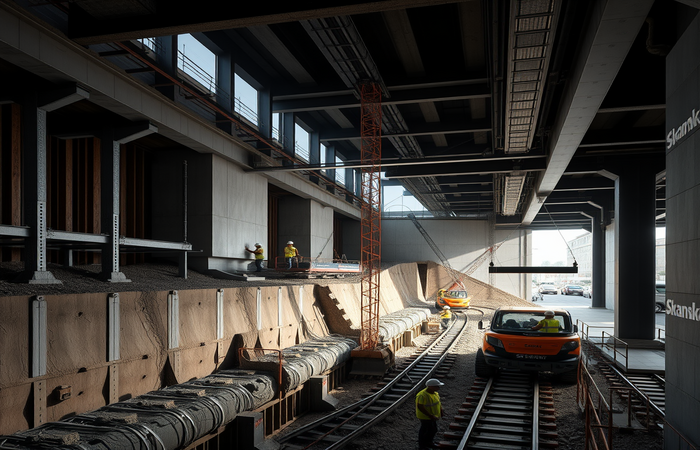
Skanska Awarded $167 Million Contract for Skoyen Metro Station in Oslo, Norway
Oslo, Norway – May 29, 2025 – In a significant boost for Oslo’s public transport infrastructure, Skanska, a leading Swedish construction company, has been awarded a contract valued at 1.7 billion Norwegian Kroner ($167.1 million) by Fornebubanen for the construction of the Skoyen metro station. This ambitious project, slated to commence in September 2025, is a critical component of the city’s ongoing urban development and transit expansion initiatives. The new station will serve as a vital transportation hub, seamlessly integrating metro, train, and bus services. This detailed news article will delve into the details of the project, including the scope of work, its strategic importance within Oslo’s transportation network, and Skanska’s recent contributions to railway infrastructure projects worldwide. Additionally, we will explore the technical aspects of the station’s construction, the anticipated benefits for commuters, and Skanska’s broader role in shaping the future of rail transport. The Skoyen metro station promises to be a modern and efficient facility that enhances the overall travel experience for residents and visitors alike. The project will be an interesting development in the city and it is expected to be finished by 2029.
Construction Scope and Technical Specifications
The Skoyen metro station project is far more than just the construction of a new station; it represents a complex undertaking that involves a deep understanding of civil engineering, underground construction techniques, and the integration of advanced technical systems. The core of the project involves creating an underground metro station approximately 45 meters below ground level. This will encompass the excavation of a vast station hall, the construction of two tracks, and the installation of essential infrastructure such as ventilation systems designed to maintain air quality and regulate temperature within the confined space, electrical setups to power the station and its equipment, elevators to provide vertical access, and escalators to facilitate passenger movement. The construction process will require extensive concrete works to form the station’s structural elements. Additionally, it includes the development of shafts to provide access for maintenance and emergency services.
Strategic Significance for Oslo’s Transportation Network
Skoyen’s strategic importance as a transportation hub stems from its existing role as a key interchange point for various modes of public transport. The new metro station is designed to enhance the capacity and improve connections between the metro, train, and bus services. This integration is crucial for supporting urban development by offering a seamless and efficient transit experience. By improving connectivity, the project aims to reduce congestion, promote the use of public transport, and contribute to a more sustainable urban environment. The new station will increase the efficiency and capacity of the city’s public transport system, resulting in reduced travel times.
Skanska’s Global Footprint in Railway Infrastructure
Skanska’s involvement in the Skoyen metro station project is a testament to its experience in the railway infrastructure sector. The company’s portfolio includes a range of projects worldwide. A notable example is the High-Speed 2 (HS2) railway line in the UK, where Skanska has been awarded multiple contracts. In 2022, the company secured a £78 million contract for work on the HS2 line, and in April 2020, as part of a joint venture, Skanska signed a contract with HS2 for the detailed design and construction of major tunnels leading to the London terminus at Euston station. Moreover, Skanska has participated in the Uinta Basin Railway project in Utah, where the Skanska-WW Clyde Joint Venture (JV) was responsible for construction.
Projected Benefits and Impact on Commuters
The completion of the Skoyen metro station project is expected to generate several benefits for commuters and the city of Oslo. Passengers can anticipate reduced travel times due to improved connections and increased capacity within the transport network. Enhanced accessibility, with elevators and escalators, will ensure that the station is user-friendly for people of all abilities. Additionally, the integration of various transport modes will encourage more people to choose public transport, alleviating traffic congestion and lessening the environmental impact of transportation in the city. The modern design and infrastructure of the station will improve the overall travel experience, contributing to a more positive impression of the public transport system.
Conclusion
The Skoyen metro station project, spearheaded by Skanska, represents a critical investment in Oslo’s public transportation infrastructure and marks a significant step towards a more efficient and sustainable urban environment. The project’s scope encompasses the construction of a state-of-the-art underground station with two tracks, ensuring seamless integration of metro, train, and bus services. The project’s strategic importance lies in its ability to improve connectivity, reduce congestion, and promote the use of public transport, thus supporting the city’s urban development goals. Skanska’s extensive experience in global railway projects, including involvement in the HS2 railway line in the UK, underscores its expertise and capability to deliver complex infrastructure projects.
The new Skoyen metro station will be more than just a transport hub; it will be a symbol of Oslo’s commitment to modern and sustainable urban development. The new metro station aims to greatly increase the efficiency of the public transport system and reduce travel times for commuters. This project will make the city’s public transport system much more reliable, supporting the city’s long-term sustainability goals.
***
**Summary of Companies Involved:**
* **Skanska:** A Swedish construction company with a global presence, specializing in infrastructure projects, including railway construction, and is the main contractor for the Skoyen metro station project.
* **Fornebubanen:** The entity that awarded the contract to Skanska for the construction of the Skoyen metro station.
* **Rio Grande Pacific Corporation (RGPC):** Selected firms for the final engineering and construction of the Uinta Basin Railway project in Utah.
* **Aecom:** Responsible for the final design for the Uinta Basin Railway project in Utah.
* **Skanska-WW Clyde Joint Venture (JV):** Tasked with construction for the Uinta Basin Railway project in Utah.

Railway infrastructure, rolling stock and transport technologies specialist focused on global rail industry developments, high-speed rail systems, signaling technologies and freight transportation. Covering railway investments, public transport modernization, rail operations and international mobility projects across Europe, Asia and North America.
RELATED POSTS

September 5, 2026 4:19 pm
CPK launched formal tender talks with four consortia to design...

September 6, 2026 4:12 am
Alstom delivered the first of 100 new G Class trams...
September 5, 2026 6:17 pm
Universal Signalling won a deal to install its U-Cross system...
September 6, 2026 8:17 am
DB InfraGO reopened the Nuremberg-Regensburg line in Bavaria on 31...
September 6, 2026 12:20 pm
Indian Railways ordered a probe after a fire destroyed 2...
September 7, 2026 11:16 pm
China Railway Tunnel Group completed the 11.3-km underwater Yangtze tunnel...