
Sri Lanka Rail Modernization: ADB’s $192M Investment
The ADB-supported modernization of Sri Lanka’s railway system aims to enhance efficiency, safety, and technological capabilities through infrastructure improvements, telecommunications upgrades, and operational enhancements, crucial for accommodating growing population needs and economic development.
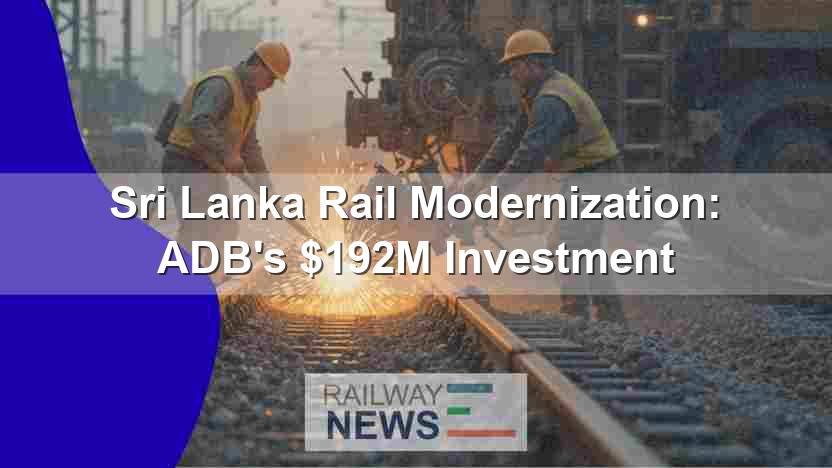
Modernizing Sri Lanka’s Railway System: A Detailed Overview
This article explores the crucial modernization efforts undertaken by Sri Lanka Railways (SLR), focusing on a significant initiative supported by the Asian Development Bank (ADB). The project, encompassing a multifaceted approach to enhancing operational efficiency, safety, and technological capabilities, is essential for accommodating Sri Lanka’s growing population and economic development. The SLR currently handles a substantial volume of passenger and freight traffic, transporting approximately 136.7 million passengers and 2 million tons of goods annually. However, the existing infrastructure and technology are outdated, hindering the system’s capacity to meet the increasing demands. The ADB-funded project directly addresses these challenges through targeted investments in infrastructure, technology, and human capital development. This modernization is not merely an upgrade; it represents a strategic move towards establishing a robust, efficient, and safe railway network vital for Sri Lanka’s future economic prosperity and its citizens’ well-being. The following sections detail the specific components of this ambitious project and analyze its broader implications for the nation’s transportation sector.
Infrastructure Development and Technological Upgrades
A core component of the modernization plan involves significant infrastructure improvements. This includes the construction of a state-of-the-art operations headquarters and train control center, crucial for centralized management and real-time monitoring of train operations. Additionally, the project addresses the urgent need to replace the antiquated telecommunications system. This upgrade to a modern, two-way communication system will facilitate improved communication between train drivers and control centers, leading to enhanced operational efficiency and a significant reduction in train delays. The project also includes provisions for upgrading rolling stock (trains and other railway vehicles) and rail track maintenance equipment, ensuring the reliability and longevity of the railway infrastructure. These improvements are directly linked to enhanced safety and efficiency, making the railway system more dependable and cost-effective.
Enhancing Operational Safety and Efficiency
Improving operational safety is paramount. The project directly tackles this by implementing a modern multi-channel ticketing system, streamlining passenger ticketing and improving revenue collection. This modernized system will offer greater convenience for passengers and enhance the overall efficiency of the ticketing process. In addition to technological advancements, the project emphasizes improved training for railway personnel. By upgrading the technical training center, Sri Lanka Railways can equip its workforce with the skills necessary to operate and maintain the modernized infrastructure effectively. This human capital investment is vital for the long-term success and sustainability of the project.
Financial Investment and Future Planning
The total cost of the Railway Efficiency Improvement Project is $192 million, with the ADB providing a substantial loan of $160 million and the Government of Sri Lanka contributing $32 million. This significant financial investment underscores the government’s commitment to modernizing its railway system. Beyond the immediate improvements, the project also includes provisions for detailed feasibility studies for future railway projects. This forward-looking approach ensures that future expansion and improvements are strategically planned and effectively implemented, optimizing resource allocation and long-term sustainability. This strategic planning is essential for adapting to future demands and maintaining the viability of the railway system for decades to come.
Conclusion
The ADB-funded Railway Efficiency Improvement Project represents a critical step in modernizing Sri Lanka’s railway network. The project’s multifaceted approach, encompassing infrastructure upgrades, technological advancements, and human capital development, aims to transform the railway system into a more efficient, safe, and reliable mode of transportation. The implementation of a modern communication system, a new operations headquarters, upgraded rolling stock, and a state-of-the-art ticketing system, will significantly enhance operational efficiency and reduce delays. The replacement of antiquated equipment and the improved training of railway personnel address safety concerns and ensure the long-term sustainability of the system. The project’s $192 million budget reflects a significant investment by the Sri Lankan government and the ADB, demonstrating their collective commitment to modernizing the country’s railway infrastructure. The inclusion of feasibility studies for future railway projects ensures long-term planning, allowing Sri Lanka Railways to adapt to evolving demands and integrate the railway network more effectively into the nation’s wider transportation strategy. By successfully implementing this modernization program, Sri Lanka will not only enhance its public transportation system but also significantly contribute to the country’s economic growth and development, particularly in connecting its diverse regions and improving the lives of its citizens. The success of this initiative serves as a model for other developing nations seeking to improve their rail systems and enhance their overall infrastructure for economic advancement.

Railway infrastructure, rolling stock and transport technologies specialist focused on global rail industry developments, high-speed rail systems, signaling technologies and freight transportation. Covering railway investments, public transport modernization, rail operations and international mobility projects across Europe, Asia and North America.
RELATED POSTS

September 5, 2026 4:19 pm
CPK launched formal tender talks with four consortia to design...
September 5, 2026 7:14 pm
HS2 Ltd signed renegotiated civils contracts with EKFB and Align...

September 6, 2026 4:12 am
Alstom delivered the first of 100 new G Class trams...
September 5, 2026 6:17 pm
Universal Signalling won a deal to install its U-Cross system...
September 6, 2026 8:17 am
DB InfraGO reopened the Nuremberg-Regensburg line in Bavaria on 31...
September 6, 2026 12:20 pm
Indian Railways ordered a probe after a fire destroyed 2...