
Mongolia’s Rail Revolution: RZD & UBR Partner on Tavan Tolgoi Line
This article discusses the strategic partnership between Russian Railways International (RZD International) and Ulan-Bator Railways (UBR) in developing the Tavan Tolgoi-Zuunbayan railway line in Mongolia, emphasizing RZD’s technical consulting services for large-scale projects and highlighting its expertise in resource-rich nations’ economic growth through efficient transportation networks.
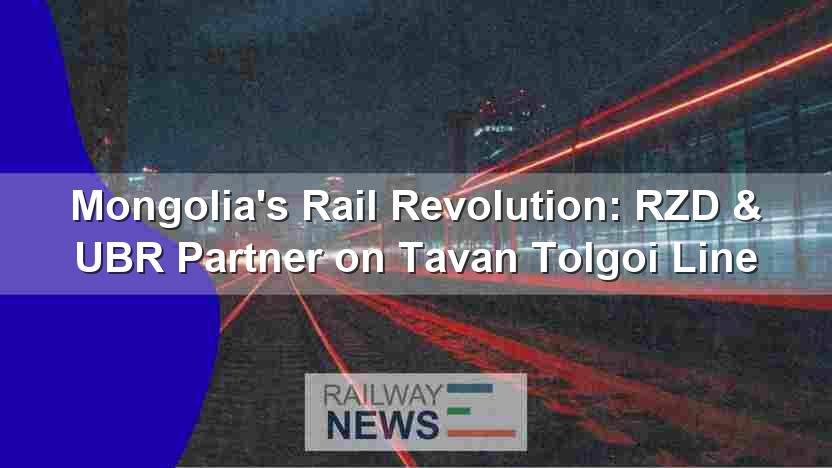
This article explores the significant collaboration between Russian Railways International (RZD International) and Ulan-Bator Railways (UBR) on the development of the Tavan Tolgoi-Zuunbayan railway line in Mongolia. This project highlights the increasing importance of international cooperation in railway infrastructure development, particularly in regions with significant resource extraction potential. The agreement underscores the expertise of RZD International in providing technical consulting services for large-scale railway projects, and the strategic importance of efficient and reliable transportation networks for economic growth in resource-rich nations. We will examine the technical aspects of this project, the geopolitical implications, and the broader context of RZD International’s international involvement in railway development. The analysis will also explore the potential for future collaborations and the challenges involved in such cross-border infrastructure projects, considering factors such as financing, logistical coordination, and the integration of differing technical standards.
Technical Expertise and Project Scope
The core of the agreement between RZD International and UBR lies in the provision of detailed technical consulting services. RZD International, leveraging its extensive experience in railway design, construction, and operation, will offer recommendations on all aspects of the 414km Tavan Tolgoi-Zuunbayan line. This includes crucial considerations regarding track design, signaling systems, rolling stock compatibility, and operational procedures. The project’s goal is to facilitate the efficient transportation of coking coal from the Tavan Tolgoi mine, a crucial resource for Mongolia’s economy. The seamless integration of this new line with UBR’s existing central railway network is paramount for optimizing logistical efficiency and minimizing transportation costs. The expertise provided extends beyond mere infrastructure; it encompasses operational strategies to ensure the safe and efficient movement of freight trains across the new line.
Geopolitical Significance and Economic Impact
The collaboration between RZD International and UBR carries significant geopolitical implications. It showcases the growing influence of Russian expertise in railway infrastructure development within the region. The project contributes to enhanced connectivity within Mongolia, facilitating the export of crucial resources and stimulating economic growth. The involvement of high-level officials from both the Russian and Mongolian governments during the signing ceremony underscores the importance attached to this venture. This project also serves as an example of successful cooperation between countries in a strategic location. The development of robust rail infrastructure can be instrumental in fostering economic stability and regional cooperation.
Financial Aspects and Project Timeline
While the financial details of the contract remain undisclosed, the project’s scope and the expertise involved suggest a substantial investment. The 12-month timeline for completion indicates an ambitious but achievable schedule, reflecting the commitment of both parties to the project’s success. Securing adequate funding and managing the project within the stipulated timeframe requires meticulous planning and efficient execution. This aspect of the project highlights the importance of effective financial management and risk mitigation strategies in international infrastructure development. Successful execution within budget and time constraints serves as a testament to the expertise and organizational capabilities of both RZD International and UBR.
RZD International’s Broader International Engagement
The Tavan Tolgoi-Zuunbayan project represents one facet of RZD International’s broader strategy of expanding its global reach in railway development. Their participation in projects across various countries demonstrates their ability to adapt to different contexts and regulatory frameworks. This includes projects involving high-speed rail technologies, as evidenced by their collaborations on projects like the procurement of Velaro RUS trains. The diverse portfolio of RZD International highlights their versatility and expertise in addressing a wide spectrum of railway challenges, ranging from modernization of existing networks to the development of new infrastructure in challenging geographical conditions. This experience and adaptability allow them to remain a significant player in the global railway industry.
Conclusions
The collaboration between Russian Railways International and Ulan-Bator Railways on the Tavan Tolgoi-Zuunbayan railway line is a compelling example of successful international cooperation in railway infrastructure development. RZD International’s provision of technical consulting services is critical for ensuring the efficient and safe operation of this crucial transportation link. The project’s success hinges on the effective execution of the technical aspects, careful financial management, and seamless integration into the existing Mongolian railway network. Beyond the immediate economic benefits to Mongolia, the project enhances regional connectivity and underscores the growing role of international partnerships in addressing infrastructure challenges. The project demonstrates RZD International’s commitment to global expansion and showcases their expertise in navigating the complexities of international railway projects. The long-term success of this venture holds significant implications for future railway development initiatives in the region and serves as a model for effective collaboration between nations in strategic infrastructure development.

Railway infrastructure, rolling stock and transport technologies specialist focused on global rail industry developments, high-speed rail systems, signaling technologies and freight transportation. Covering railway investments, public transport modernization, rail operations and international mobility projects across Europe, Asia and North America.
RELATED POSTS

September 5, 2026 4:19 pm
CPK launched formal tender talks with four consortia to design...

September 5, 2026 7:14 pm
HS2 Ltd signed renegotiated civils contracts with EKFB and Align...

September 6, 2026 4:12 am
Alstom delivered the first of 100 new G Class trams...
September 5, 2026 6:17 pm
Universal Signalling won a deal to install its U-Cross system...
September 6, 2026 8:17 am
DB InfraGO reopened the Nuremberg-Regensburg line in Bavaria on 31...
September 6, 2026 12:20 pm
Indian Railways ordered a probe after a fire destroyed 2...