
Citadis Dualis: France’s Tram-Train Revolution
The Citadis Dualis tram-train represents a technological leap by integrating both urban and regional rail functionalities, offering enhanced speed capabilities for efficient service across extended distances, connecting suburban areas seamlessly with city centers. This innovation addresses growing needs for seamless public transportation in modernizing urban and suburban rail networks.
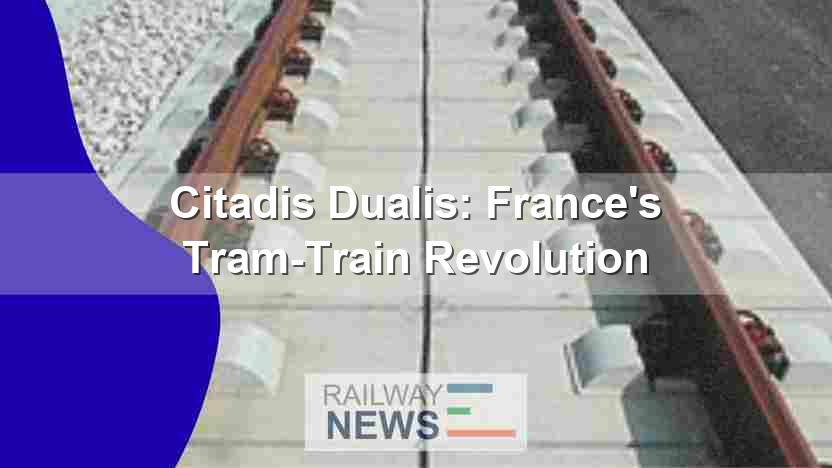
This article explores the successful deployment of Alstom’s Citadis Dualis tram-trains in France, focusing on their technical capabilities, operational impact, and broader significance within the context of modernizing urban and suburban rail networks. The introduction of these innovative vehicles represents a significant advancement in integrated transport solutions, addressing the growing need for seamless connectivity between urban centers and surrounding areas. The inherent flexibility of the Citadis Dualis, its ability to operate on both tram and regional rail lines, offers a compelling model for enhancing public transportation efficiency and passenger experience. We will examine the technical specifications of the vehicles, the procurement process leading to their implementation, and the positive impact they have had on the communities they serve. Finally, we will consider the wider implications of this project for future rail infrastructure development and the evolving landscape of urban mobility solutions.
The Citadis Dualis: A Technological Leap in Intermodal Transport
The Citadis Dualis represents a significant advancement in tram-train technology. Unlike traditional trams restricted to urban networks, or regional trains confined to dedicated lines, the Dualis seamlessly integrates both functionalities. This is achieved through a sophisticated design incorporating enhanced power systems for higher speeds on mainline rail, advanced safety features compliant with both tram and railway standards (e.g., ETCS – European Train Control System), and passenger amenities tailored to the demands of both urban and suburban commutes. The 100 km/h (62 mph) operational speed capability allows for efficient service across extended distances, connecting suburban areas to city centers without the need for transfers. This approach significantly enhances convenience and reduces overall journey times for passengers.
Deployment and Operational Success on the Tram 4 Line Extension
The successful implementation of the Citadis Dualis on the Tram 4 line extension in the Île-de-France region (serving areas such as Livry-Gargan, Clichy-sous-Bois and Montfermeil) exemplifies the practical benefits of this technology. The €75 million contract awarded to Alstom by the French National Railways (SNCF) on behalf of the Île-de-France transport authority (STIF) underscored the confidence placed in the Dualis system. This project showcases the ability of the Citadis Dualis to address the growing mobility needs of increasingly interconnected urban areas by offering a high-capacity, high-speed solution that significantly improves connectivity for passengers. The initial deployment phase, beginning with operations between Bondy and Aulnay-sous-Bois, served as a successful pilot project before full-scale commercial service commenced.
Manufacturing and Nationwide Impact
The manufacturing of the Citadis Dualis involved a collaborative effort across multiple Alstom sites in France. The Valenciennes plant played a central role in assembling these vehicles, showcasing France’s expertise in rail manufacturing. The involvement of six additional sites highlights the complexity and collaborative nature of modern rail vehicle production. The broader deployment of 78 Citadis Dualis units across three regions of France (Île-de-France, Auvergne-Rhône-Alpes, and Pays-de-la-Loire) signifies a significant investment in upgrading rail infrastructure and enhancing public transportation throughout the country. This large-scale implementation demonstrates the scalability and adaptability of this innovative tram-train technology, making it a compelling solution for varied geographic and operational requirements.
Future Implications and Conclusion
The successful integration of the Alstom Citadis Dualis tram-trains in France offers valuable insights into future trends in urban and interurban rail transportation. The ability of these vehicles to seamlessly transition between tram and main-line railway networks provides a model for integrated transport systems. This approach promises to alleviate congestion, reduce travel times, and improve overall passenger experience. The project’s success is further evidenced by Alstom’s continued success in securing significant contracts for other rail projects in France, including the supply of metro trains and the modernization of the Marseille metro system. The Citadis Dualis project demonstrates that innovative technological solutions, coupled with effective collaboration between public authorities and private industry, can significantly enhance public transportation networks and improve the quality of life for commuters. The experience gained through this project can inform and inspire future rail infrastructure developments across various regions, supporting the transition towards more sustainable and efficient urban mobility solutions. The focus on seamless integration and enhanced passenger comfort will likely become increasingly important criteria for future rail system procurements globally. The adaptability and scalability of the Citadis Dualis design positions it as a strong contender for similar applications in other urban centers facing similar challenges in connecting urban and suburban networks.

Railway infrastructure, rolling stock and transport technologies specialist focused on global rail industry developments, high-speed rail systems, signaling technologies and freight transportation. Covering railway investments, public transport modernization, rail operations and international mobility projects across Europe, Asia and North America.
RELATED POSTS

September 5, 2026 4:19 pm
CPK launched formal tender talks with four consortia to design...

September 6, 2026 4:12 am
Alstom delivered the first of 100 new G Class trams...

September 5, 2026 7:14 pm
HS2 Ltd signed renegotiated civils contracts with EKFB and Align...
September 5, 2026 6:17 pm
Universal Signalling won a deal to install its U-Cross system...
September 6, 2026 8:17 am
DB InfraGO reopened the Nuremberg-Regensburg line in Bavaria on 31...
September 7, 2026 11:16 pm
China Railway Tunnel Group completed the 11.3-km underwater Yangtze tunnel...