
Kano-Maradi Railway: Transforming West Africa
The Kano-Maradi railway project, funded by Mota-Engil and costing $2 billion, promises substantial economic benefits through reduced transportation costs for trade between Nigeria and Niger, creating jobs during construction and operation, and enhancing regional integration in West Africa.
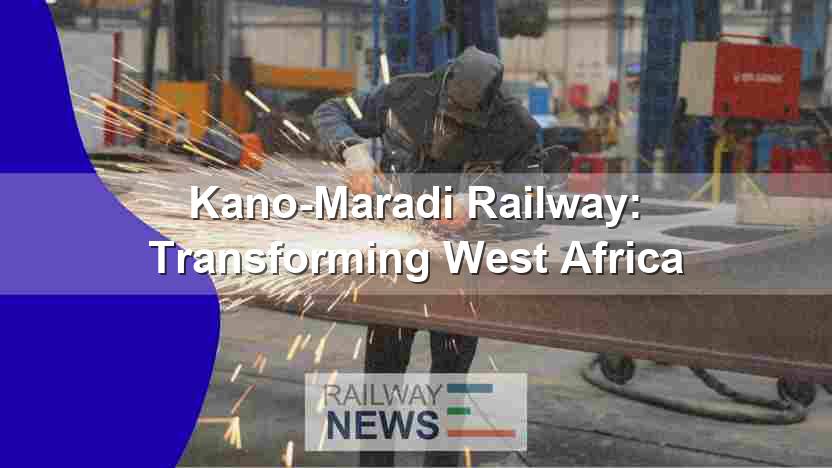
This article explores the significant implications of the Kano-Maradi railway project, a trans-national rail line connecting Kano, Nigeria, to Maradi, Niger. This ambitious undertaking, awarded to Mota-Engil, a Portuguese construction firm, represents a substantial investment in infrastructure development, projected to cost approximately $2 billion. The project’s impact extends beyond simply connecting two cities; it promises to revitalize regional trade, enhance cross-border connectivity, and stimulate economic growth across both nations. We will examine the project’s scope, technical challenges, economic benefits, and geopolitical significance, considering its potential to transform transportation networks and foster regional integration in West Africa. This analysis will consider the broader context of Nigeria’s national infrastructure development strategy and its role in facilitating regional economic cooperation.
Project Scope and Technical Considerations
The Kano-Maradi railway (KMR) project encompasses the construction of a 284-kilometer standard gauge railway line connecting Kano, Nigeria, to Maradi, Niger. The route traverses diverse terrains, posing various engineering challenges. Construction necessitates meticulous route planning to navigate potential obstacles such as challenging soil conditions, water bodies, and existing infrastructure. The project also involves the implementation of robust earthworks, track laying, signaling, and communication systems. Additionally, the integration of road transport infrastructure alongside the rail line is a crucial element, demanding careful coordination and planning to ensure seamless multimodal transportation. The successful execution of the KMR requires specialized expertise in railway engineering, project management, and logistical coordination.
Economic Benefits and Regional Integration
The economic benefits of the KMR are multifaceted. The project is anticipated to significantly reduce transportation costs for both passengers and freight, fostering increased trade between Nigeria and Niger. This improved connectivity will facilitate the movement of goods, such as agricultural products and manufactured goods, stimulating economic activity in the region. Additionally, the project is expected to create numerous jobs during the construction phase and subsequently within the operational phase of the railway, contributing significantly to employment opportunities in both countries. The increased accessibility will also attract foreign investment, promoting further economic development along the railway corridor. The project serves as a pivotal initiative toward regional economic integration, demonstrating commitment to collaborative infrastructure development.
Geopolitical Implications and National Infrastructure Strategy
The KMR holds significant geopolitical implications, strengthening ties between Nigeria and Niger. This collaborative infrastructure project fosters closer diplomatic relations and promotes regional stability. The project aligns with Nigeria’s broader national infrastructure development strategy, aimed at improving transportation networks and stimulating economic growth. This strategy encompasses the development of various railway projects throughout the country, including the proposed Lagos-Kano rail line. The successful completion of the KMR will contribute significantly to the overall success of this national infrastructure plan and strengthen Nigeria’s position as a regional transportation hub.
Project Management and Execution
The project’s successful execution relies heavily on effective project management. Mota-Engil, the chosen contractor, possesses extensive experience in large-scale infrastructure projects. The Engineering, Procurement, and Construction (EPC) contract model adopted ensures a streamlined approach to project delivery. However, challenges such as securing necessary permits and land acquisition, managing logistics in a geographically diverse area, and ensuring adherence to strict environmental standards must be carefully addressed. Effective communication and collaboration among stakeholders, including government agencies, contractors, and local communities, are crucial for mitigating potential risks and ensuring the project is completed on time and within budget.
Conclusions
The Kano-Maradi railway project stands as a transformative initiative with far-reaching consequences for both Nigeria and Niger. The construction of a 284km standard gauge railway connecting Kano and Maradi represents a substantial investment in infrastructure development, estimated at $2 billion. This project is not merely about connecting two cities; it is a significant step towards enhancing regional connectivity, boosting trade, and fostering economic growth. The project’s success hinges on effective project management, meticulous planning, and collaborative efforts among stakeholders. Addressing potential challenges, such as securing land rights and ensuring environmental sustainability, remains critical for successful completion. The economic benefits of the KMR are substantial, promising increased trade, job creation, and attraction of foreign investment. The project’s geopolitical significance is undeniable, strengthening bilateral relations and contributing to regional stability. Beyond the immediate benefits, the KMR serves as a crucial component of Nigeria’s broader national infrastructure strategy, furthering the nation’s aim of becoming a regional transportation hub. To summarize, the Kano-Maradi railway is a strategic investment with the potential to reshape the economic and political landscape of West Africa, signaling a commitment to regional integration and sustainable development.

Railway infrastructure, rolling stock and transport technologies specialist focused on global rail industry developments, high-speed rail systems, signaling technologies and freight transportation. Covering railway investments, public transport modernization, rail operations and international mobility projects across Europe, Asia and North America.
RELATED POSTS

September 5, 2026 4:19 pm
CPK launched formal tender talks with four consortia to design...

September 6, 2026 4:12 am
Alstom delivered the first of 100 new G Class trams...

September 5, 2026 7:14 pm
HS2 Ltd signed renegotiated civils contracts with EKFB and Align...
September 5, 2026 6:17 pm
Universal Signalling won a deal to install its U-Cross system...
September 6, 2026 8:17 am
DB InfraGO reopened the Nuremberg-Regensburg line in Bavaria on 31...
September 6, 2026 12:20 pm
Indian Railways ordered a probe after a fire destroyed 2...