
DB’s ICE 3neo: Comfort, Speed, & Expansion
This article highlights Deutsche Bahn’s significant upgrades to its ICE 3neo fleet with new interior designs aimed at enhancing passenger comfort, focusing on practical features like tablet holders and coat hooks, while also detailing the strategic deployment of these modernized trains in key routes across Germany. The focus is on improving operational efficiency and expanding service offerings to attract more passengers.
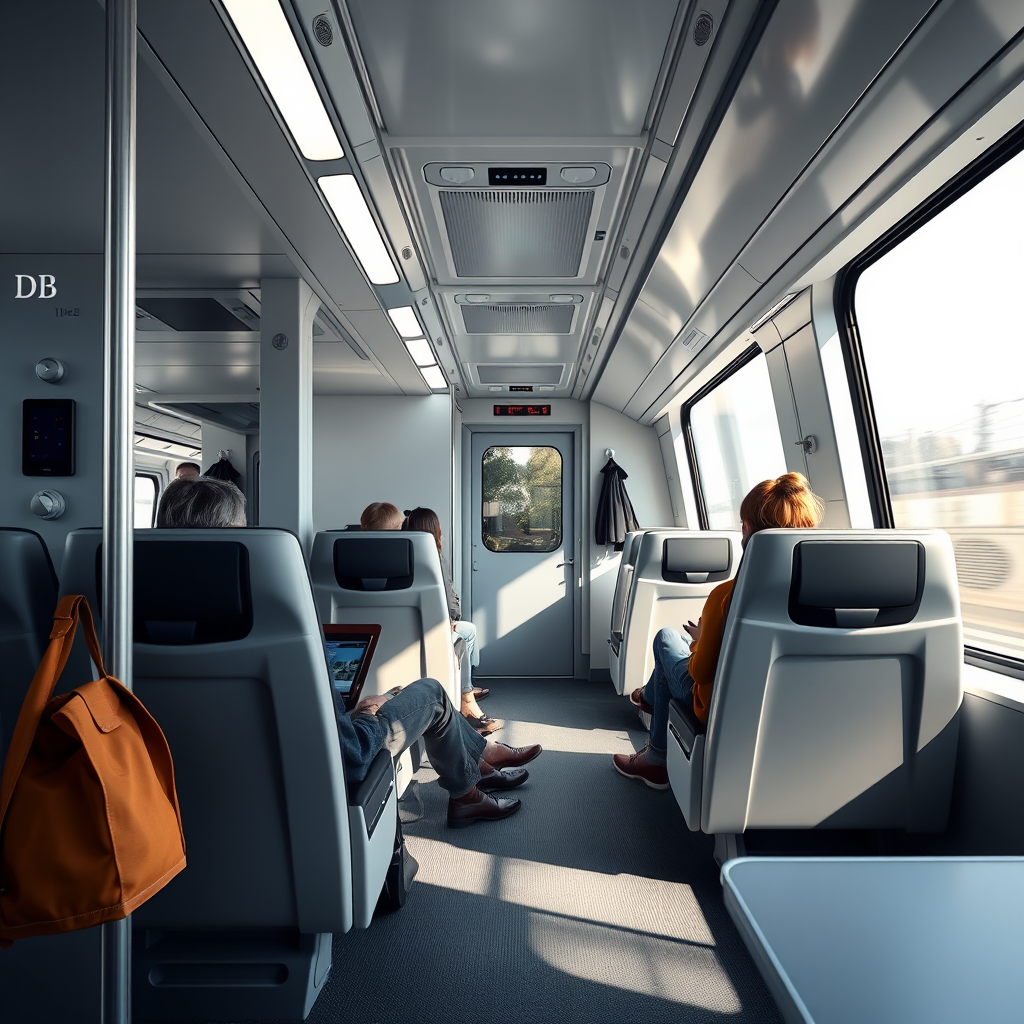
This article explores the significant upgrades implemented by Deutsche Bahn (DB), Germany’s national railway company, to its fleet of ICE 3neo high-speed trains. The focus is on the newly unveiled interior design improvements and their impact on passenger comfort, coupled with the broader implications for DB’s operational strategy and expansion plans. This includes an examination of DB’s timetable adjustments for 2024, reflecting the increased deployment of the modernized ICE 3neo trains across key domestic and international routes. Additionally, the article will delve into the enhanced production capabilities of Siemens Mobility, the manufacturer of the ICE 3neo trains, highlighting the acceleration of delivery schedules to meet DB’s ambitious expansion goals. Finally, the strategic implications of these developments for DB, including its collaboration with other railway operators and its commitment to improving passenger experience, will be analyzed.
ICE 3neo Interior Enhancements: A Focus on Passenger Comfort
Deutsche Bahn’s recent unveiling of the new interior for its ICE 3neo trains marks a substantial step towards enhancing passenger comfort. The upgraded design incorporates several key features directly addressing passenger needs. These include integrated tablet holders at each seat, providing convenient device storage and usage during journeys. The inclusion of coat hooks adds practicality, improving organization and reducing clutter within the passenger compartment. This focus on detail underscores DB’s commitment to providing a more refined and user-friendly travel experience, aiming to increase passenger satisfaction and potentially attract new ridership. The design aesthetics, while not explicitly detailed, are presented as modern and aligned with DB’s brand image, maintaining its visual identity while significantly improving practical features for daily usage.
Strategic Deployment of the ICE 3neo: Reshaping DB’s Network
The introduction of the ICE 3neo trains is not merely a fleet upgrade; it’s a strategic move to optimize DB’s network efficiency and service offerings. The 2024 timetable reflects this strategy, with the ICE 3neo trains planned for key routes between major cities such as North Rhine-Westphalia, Frankfurt, Stuttgart, and Munich. This signifies a targeted approach to deploying the most modern rolling stock on high-demand routes, maximizing efficiency and passenger capacity. The inclusion of international routes to Amsterdam and Brussels (pending regulatory approvals) underscores DB’s ambition to expand its reach and contribute to seamless cross-border rail travel within Europe. The planned service enhancements, including the 25% increase in seats on Berlin-North Rhine-Westphalia and Berlin-Munich routes and the doubling of Sprinter services on the latter, demonstrate DB’s commitment to improving capacity and frequency on heavily trafficked lines.
Siemens Mobility’s Production Ramp-up: Meeting Growing Demand
The successful deployment of the ICE 3neo fleet heavily relies on Siemens Mobility’s ability to meet DB’s increased demand for these upgraded trains. The announcement of a significantly accelerated production rate, aiming for delivery of a complete eight-car train every 16 days from their Krefeld factory, is crucial to supporting DB’s expansion plans. This demonstrates a high level of coordination and efficiency within the manufacturing process. The ability to meet this ambitious production schedule reflects not only Siemens’ manufacturing capacity but also their ability to effectively manage the supply chain and ensure timely delivery of crucial components, all essential factors for the success of this large-scale rail modernization initiative. This accelerated production directly supports DB’s ambitious service expansion goals.
Collaboration and Expansion: A Pan-European Perspective
DB’s plans extend beyond its domestic network. The collaboration with Austrian Federal Railways (ÖBB) to expand cross-border services into Austria showcases a broader strategy of interconnected rail systems across Europe. This collaborative approach suggests a move toward greater integration within the European rail network, aiming to improve connectivity and streamline international passenger travel. Investment in new trains for these expanded services further indicates a commitment to growth and modernization not limited to DB’s national network. This international perspective underscores DB’s role as a key player in shaping the future of high-speed rail in Europe, moving towards a more efficient and interconnected transport system.
Conclusions
The introduction of the new ICE 3neo trains with their enhanced interiors represents a significant step forward for Deutsche Bahn. The improved passenger comfort features, coupled with strategic deployment across key routes and a remarkable increase in production capacity from Siemens Mobility, all contribute to DB’s ambitious expansion strategy. The planned timetable adjustments showcase a shift towards efficient resource allocation and network optimization, maximizing the impact of the modernized fleet. The collaboration with ÖBB exemplifies a broader European rail integration strategy, focusing on cross-border connectivity and service improvements. Ultimately, these developments indicate a commitment to modernizing the railway system to better serve passenger needs while driving forward the development of more efficient and integrated high-speed rail networks across Europe. The success of this initiative hinges on the continued close collaboration between DB and Siemens, along with effective coordination across the wider European rail industry. The future success will be measured not only by on-time delivery and operational efficiency but also by the measurable improvement in passenger satisfaction, increased ridership, and the successful integration of the new trains into the broader European rail network. The ultimate goal is a more comfortable, efficient, and interconnected rail travel experience for passengers across the continent.

Railway infrastructure, rolling stock and transport technologies specialist focused on global rail industry developments, high-speed rail systems, signaling technologies and freight transportation. Covering railway investments, public transport modernization, rail operations and international mobility projects across Europe, Asia and North America.
RELATED POSTS

September 5, 2026 4:19 pm
CPK launched formal tender talks with four consortia to design...

September 5, 2026 7:14 pm
HS2 Ltd signed renegotiated civils contracts with EKFB and Align...

September 6, 2026 4:12 am
Alstom delivered the first of 100 new G Class trams...
September 6, 2026 8:17 am
DB InfraGO reopened the Nuremberg-Regensburg line in Bavaria on 31...
September 5, 2026 6:17 pm
Universal Signalling won a deal to install its U-Cross system...
September 6, 2026 12:20 pm
Indian Railways ordered a probe after a fire destroyed 2...