
Stadler KISS Trains: Modernizing Slovakia’s Rail
This article analyzes the recent contract awarded to Stadler by Železničná spoločnosť Slovensko, a.s. (ZSSK), highlighting key aspects of modern railway industry trends, including high-capacity passenger-friendly rolling stock and technological advancements in train design and operation.
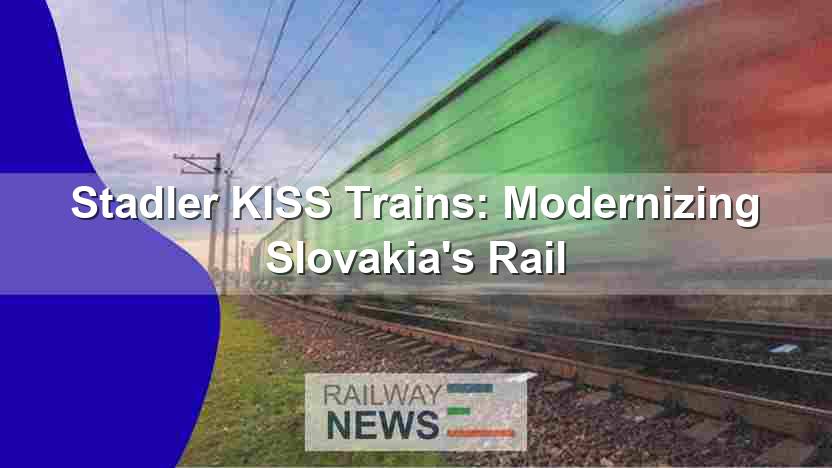
This article analyzes the recent contract awarded to Stadler by Železničná spoločnosť Slovensko, a.s. (ZSSK), the Slovakian railway company, for the delivery of four double-decker KISS (KISS – Stadler’s double-decker multiple-unit train) trains. This contract highlights several key aspects of the modern railway industry, including the increasing demand for high-capacity, passenger-friendly rolling stock, the ongoing technological advancements in train design and operation, and the strategic expansion of Stadler’s market presence. The analysis explores the specifications of the KISS trains, their operational capabilities, and the broader implications of this acquisition for ZSSK’s modernization efforts and the Slovakian railway network. Additionally, we will examine Stadler’s position in the global railway market and the strategic acquisitions they make to bolster their technological capabilities, specifically concerning signalling systems. The implications of this purchase for the future of Slovakian rail transport will also be explored.
Stadler’s KISS Trains: A Modernization for Slovakia’s Rail Network
Stadler’s selection by ZSSK underscores the growing preference for modern, high-capacity rolling stock among railway operators globally. The four six-car KISS trains, with a total capacity exceeding 2400 seats, represent a significant upgrade from ZSSK’s existing fleet, primarily composed of Stadler’s single-decker GTW (Gelenktriebwagen – articulated railcar) units. This increase in capacity will directly address the needs of a growing ridership and enhance the efficiency of regional passenger services in western and central Slovakia. The KISS trains’ ability to achieve a top speed of 160 km/h will also reduce journey times, further improving the overall attractiveness of rail travel.
Technological Advancements and Passenger Amenities
The KISS trains incorporate several significant technological improvements. The inclusion of a Passenger Information System (PIS), WLAN connectivity, and onboard security cameras improves passenger comfort and enhances safety. The incorporation of a passenger counting system allows ZSSK to better manage capacity and optimize service scheduling. Moreover, the integration of an energy consumption measuring system showcases a commitment to sustainability and operational efficiency. The trains’ step-free access, multiple toilets, and HVAC systems (Heating, Ventilation, and Air Conditioning) ensure a comfortable and accessible travel experience for all passengers. These features align with modern railway design principles focused on passenger satisfaction and ease of use.
Strategic Implications for ZSSK and Stadler
For ZSSK, the acquisition of the KISS trains represents a significant investment in the modernization of its fleet and a commitment to improving the quality of its regional rail services. The increased capacity, speed, and technological advancements offered by these trains will undoubtedly attract more passengers and boost the overall efficiency of the rail network. For Stadler, this contract reinforces their position as a leading supplier of high-quality rolling stock in the European market. This successful bid further strengthens their relationship with ZSSK, showcasing Stadler’s ability to meet the specific requirements of railway operators while also contributing to sustainable rail infrastructure development.
Stadler’s Acquisition of BÄR Bahnsicherung and its Broader Impact
Stadler’s recent acquisition of BÄR Bahnsicherung, a signaling technology company, demonstrates a strategic move to vertically integrate their operations. This acquisition enhances Stadler’s capabilities in providing detailed rail solutions, extending beyond just rolling stock manufacturing to include signaling systems. This integration allows Stadler to offer more complete and optimized solutions to their clients, improving interoperability and potentially leading to streamlined maintenance and upgrades. This expansion into signaling technology contributes to Stadler’s position as a key player in delivering integrated and technologically advanced railway systems.
Conclusions
The contract between ZSSK and Stadler for the supply of four KISS double-decker trains signifies a crucial step in the modernization of Slovakia’s railway system. The introduction of these advanced, high-capacity vehicles, equipped with state-of-the-art technology and passenger-centric amenities, promises to significantly enhance the efficiency and appeal of regional rail travel. The increased seating capacity addresses rising ridership demands, while technological features like PIS, WLAN, and onboard security systems enhance passenger comfort and safety. The energy consumption measuring system reflects a commitment to sustainability, a growing concern in the railway industry. Moreover, this contract demonstrates the ongoing trend towards high-speed, comfortable, and technologically advanced passenger trains globally. The strategic acquisition of BÄR Bahnsicherung by Stadler further solidifies their position as a leading provider of integrated railway solutions, highlighting the increasing importance of vertical integration in the sector. The overall success of this project will not only depend on the timely delivery and efficient operation of the KISS trains but also on ZSSK’s ability to integrate these new vehicles seamlessly into its existing infrastructure and operational practices. The project’s success will ultimately set a precedent for future railway modernization projects in Slovakia and could inspire similar upgrades in other Eastern European nations, stimulating economic growth and fostering a more sustainable transportation network.

Railway infrastructure, rolling stock and transport technologies specialist focused on global rail industry developments, high-speed rail systems, signaling technologies and freight transportation. Covering railway investments, public transport modernization, rail operations and international mobility projects across Europe, Asia and North America.
RELATED POSTS

September 5, 2026 4:19 pm
CPK launched formal tender talks with four consortia to design...

September 5, 2026 7:14 pm
HS2 Ltd signed renegotiated civils contracts with EKFB and Align...

September 6, 2026 4:12 am
Alstom delivered the first of 100 new G Class trams...
September 5, 2026 6:17 pm
Universal Signalling won a deal to install its U-Cross system...
September 6, 2026 8:17 am
DB InfraGO reopened the Nuremberg-Regensburg line in Bavaria on 31...
September 6, 2026 12:20 pm
Indian Railways ordered a probe after a fire destroyed 2...