
EU Rail Safety: Proactive Reporting & Data Management
The European Union Agency for Railways (ERA) has implemented new regulations that require a shift towards proactive reporting and real-time data management, emphasizing improved safety performance through dynamic and integrated systems.
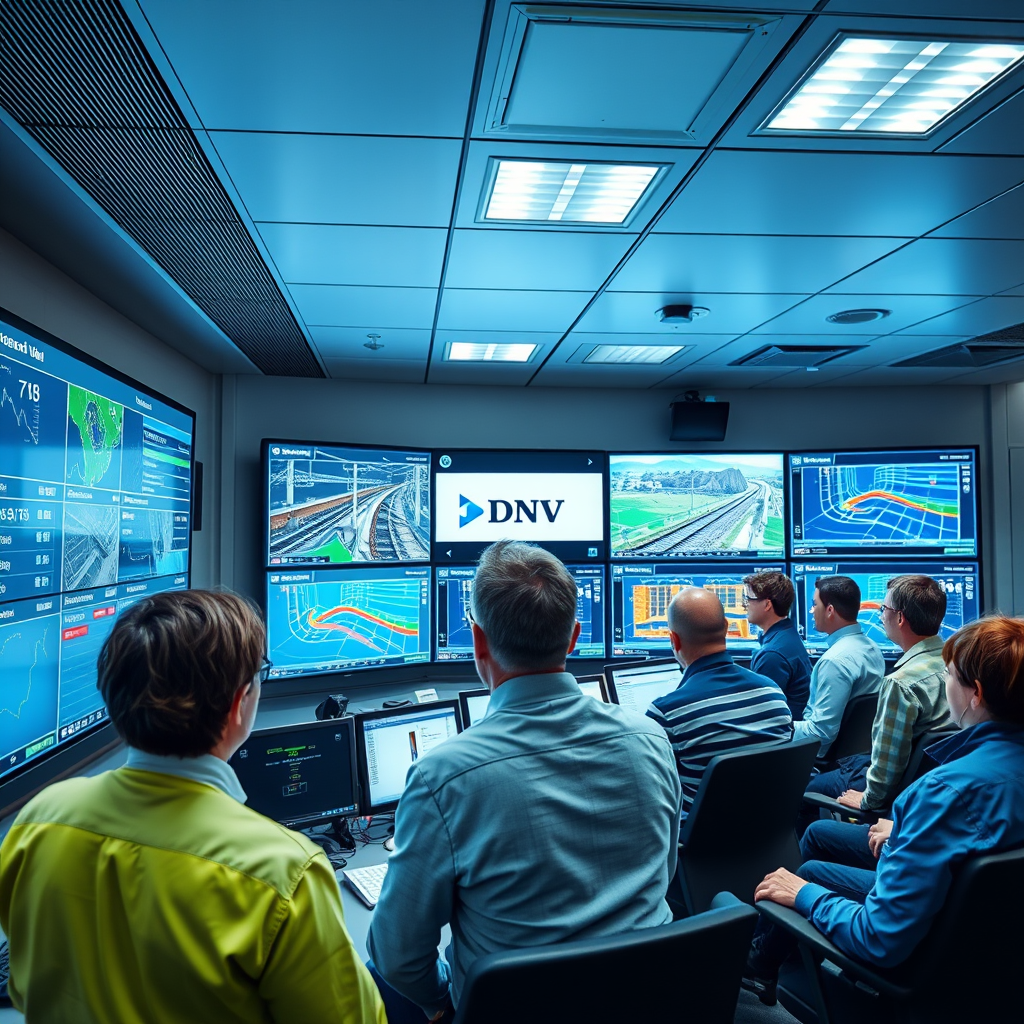
The European Union Agency for Railways (ERA) has implemented new regulations significantly impacting the rail industry’s approach to safety and compliance. This article explores the implications of these guidelines, focusing on the shift towards proactive reporting and real-time data management. It examines the challenges faced by rail operators in adapting to this new regulatory landscape and explores the solutions offered by organizations like DNV to ensure seamless integration and compliance. The discussion will cover the necessity for improved data management systems, the role of advanced software solutions, and the crucial shift towards a more proactive safety culture within the rail sector. This transition demands a detailed understanding of the new ERA requirements and a strategic approach to implementation, ensuring operational efficiency while maintaining the highest safety standards. The need for proactive data management is paramount, and the financial penalties for non-compliance highlight the critical nature of adapting to this new regulatory framework.
The Shift Towards Proactive Safety Reporting
Historically, the railway industry adopted a relatively static approach to safety management. The ERA (European Union Agency for Railways) relied on collecting decentralized data from various stakeholders to assess overall safety performance. This decentralized and reactive approach is no longer sufficient. The new ERA guidelines necessitate a fundamental shift towards proactive and real-time reporting. Rail operators are now required to systematically report on their safety management systems continuously, providing a dynamic and up-to-the-minute picture of their safety performance. This proactive approach aims to identify and address potential safety risks before they escalate into incidents, fostering a more robust and resilient railway network.
Data Management and System Integration
The new regulatory framework emphasizes the critical role of efficient data management. Real-time reporting requires integrated systems capable of collecting, analyzing, and transmitting safety-related data effectively. This demands investment in advanced data management infrastructure and integration across various rail operational systems. This includes not only the internal systems of individual rail operators but also the seamless sharing of information with regulatory bodies like the ERA. The ability to analyze this data in real-time allows for quicker identification of trends, anomalies, and potential safety hazards, enabling proactive intervention and preventive measures. The lack of this capability will directly impact the ability of a railway to meet compliance standards.
Leveraging Technology for Compliance
To meet the challenges posed by the new ERA guidelines, rail operators are increasingly turning to advanced technologies to streamline their safety management processes and enhance compliance. Software solutions, such as DNV’s Synergi Life, play a crucial role in this context. These systems offer integrated platforms for managing safety data, conducting risk assessments, and facilitating real-time reporting. They automate many aspects of safety management, reduce administrative burden, and improve the efficiency of data analysis. Such tools also ensure the integrity and reliability of the data submitted to regulatory bodies, minimizing the risk of non-compliance penalties.
Cultivating a Proactive Safety Culture
Beyond technological solutions, the successful implementation of the new ERA guidelines requires a fundamental shift in organizational culture. A proactive safety culture prioritizes the identification and mitigation of risks at all levels of the organization. This involves training employees to identify and report potential safety hazards promptly, establishing clear communication channels, and fostering a collaborative environment where safety concerns are addressed proactively. Regular safety audits, robust incident investigation processes, and continuous improvement initiatives are essential components of cultivating this proactive safety culture. Only through a detailed change in culture and methodology will the rail industry be able to successfully meet the new compliance requirements.
Conclusions
The new ERA guidelines mark a significant paradigm shift in the rail industry’s approach to safety and compliance. The transition from a reactive to a proactive safety culture demands a multifaceted strategy involving technological advancements, improved data management, and a fundamental shift in organizational culture. Rail operators must embrace advanced software solutions like DNV’s Synergi Life to effectively manage safety data, conduct robust risk assessments, and fulfill real-time reporting obligations. The financial implications of non-compliance are substantial, emphasizing the urgency of implementing these changes. Successful adaptation requires not only investing in technology but also cultivating a safety-conscious culture that prioritizes proactive risk management and continuous improvement. Investing in training, establishing clear communication channels, and implementing robust incident investigation procedures are all crucial aspects of this transformation. The ability to efficiently manage data, integrate systems, and foster a proactive safety culture will be vital for rail operators to ensure continued compliance with ERA guidelines and the maintenance of safe and efficient rail networks across Europe. The long-term success of this transition hinges on the collective commitment of rail operators and regulatory bodies to collaboratively build a safer and more resilient railway system for the future. The ultimate goal is not just compliance, but the creation of a safer, more efficient, and sustainable railway network that supports Europe’s vision of a connected and low-carbon future.

Railway infrastructure, rolling stock and transport technologies specialist focused on global rail industry developments, high-speed rail systems, signaling technologies and freight transportation. Covering railway investments, public transport modernization, rail operations and international mobility projects across Europe, Asia and North America.
RELATED POSTS

October 8, 2026 12:18 pm
Siemens Mobility signed an agreement with VinSpeed to supply 350...

October 5, 2026 6:12 pm
AECOM and Jacobs secured a contract in September 2026 to...

October 4, 2026 11:08 pm
Sound Transit confirmed the September 30 opening of Seattle Pinehurst...

October 5, 2026 1:13 pm
New York MTA confirmed a late 2026 DEIS release for...

October 6, 2026 5:12 pm
Cleveland RTA confirmed the deferral of planned bus and rail...

October 5, 2026 3:13 pm
DART launched a 90-day fare enforcement pilot across 5 light-rail...