
Spain’s €350M Rail Upgrade: Safety, Speed, Sustainability
The €350 million investment in Spain’s modernization of its railway infrastructure, including both high-speed and conventional lines, aims to enhance safety, resilience, and sustainability by securing a loan from the European Investment Bank, addressing critical upgrades and improvements across the country’s transportation network.
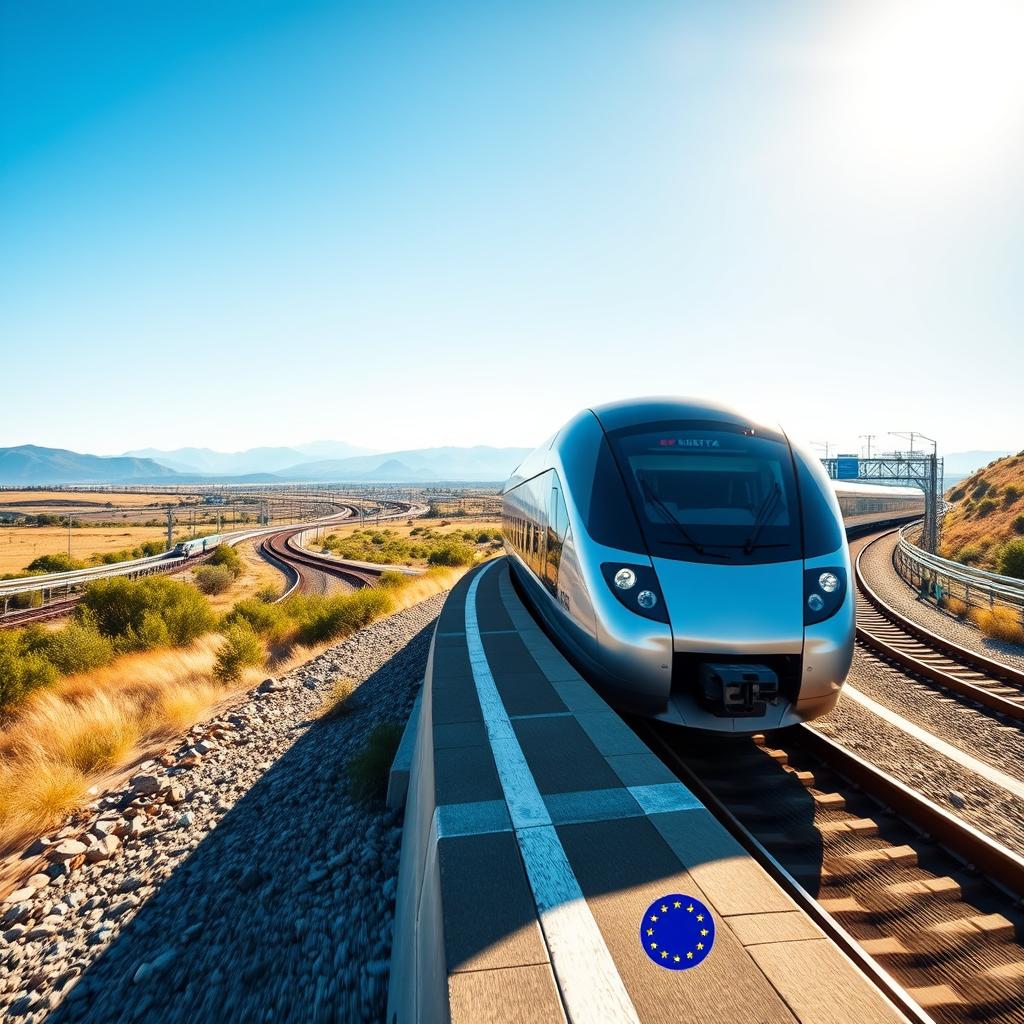
Spain’s railway network, a crucial component of its transportation infrastructure, is undergoing a significant modernization effort. This article will delve into the details of a recent €350 million (approximately $360.5 million USD) loan secured by Adif Alta Velocidad (Adif AV), the Spanish high-speed rail operator, from the European Investment Bank (EIB). This substantial investment underscores Spain’s commitment to enhancing the safety, resilience, and sustainability of its rail system, impacting both conventional and high-speed lines. The modernization plan, encompassing a total investment exceeding €830 million, strategically addresses critical infrastructure upgrades, communication system improvements, and the implementation of resilience strategies against operational and climate-related disruptions. This analysis will explore the key aspects of this project, examining its scope, technological advancements, and long-term implications for Spain’s transportation sector and its broader commitment to sustainable development.
High-Speed Rail Network Enhancements
The investment in Spain’s high-speed rail (AVE) network focuses on several key areas. The installation of anti-fall barriers along roads adjacent to high-speed lines enhances safety by preventing vehicles from accidentally entering the railway corridor. Improvements to drainage systems are crucial for mitigating the impact of extreme weather events, ensuring the continued operational integrity of the network. Significant upgrades to telecommunications, security, and energy systems are also planned, improving network reliability and operational efficiency. These upgrades will employ interoperable technologies, promoting seamless integration and data exchange across the network.
Modernization of the Conventional Rail Network
The modernization extends beyond the high-speed network, encompassing improvements to the conventional rail system. A key focus is the elimination of level crossings (LCs), significantly enhancing safety by reducing the risk of collisions between trains and road vehicles. Track renewal is a vital component, ensuring the structural integrity and long-term performance of the railway infrastructure. The installation of new telecommunications equipment and the expansion of the GSM-R system (Global System for Mobile Communications – Railway) to additional lines will boost communication capabilities and enhance operational control and safety. These improvements will optimize efficiency and contribute to a more reliable and robust conventional railway network.
Sustainability and Resilience: A Central Focus
Sustainability and resilience are core tenets of this modernization project. By investing in robust infrastructure and advanced technologies, Adif AV aims to minimize the environmental impact of rail operations while ensuring the network’s continued functionality in the face of climate change-related challenges. The use of interoperable technologies fosters greater efficiency and reduces the environmental footprint of maintenance and operations. Additionally, the elimination of level crossings and the improved drainage systems specifically address the vulnerabilities posed by extreme weather events. This multifaceted approach emphasizes the long-term economic and environmental benefits of a modern, sustainable rail network.
Collaboration and Long-Term Vision
The partnership between Adif AV and the EIB highlights the importance of collaborative efforts in developing sustainable and resilient transportation systems. The EIB’s significant investment, exceeding €13.5 billion in Spain’s high-speed rail infrastructure, underscores its commitment to supporting the country’s infrastructure development. This collaboration reinforces the belief that a modern and efficient railway network is crucial for economic growth and environmental sustainability. The loan further builds on previous investments such as the €430 million loan for the Y Vasca high-speed rail line, demonstrating a sustained commitment to improving Spain’s rail infrastructure.
Conclusions
The €350 million investment by the EIB in Adif AV’s railway modernization project represents a significant step towards enhancing Spain’s rail infrastructure. This project, totaling over €830 million, encompasses a wide range of improvements across both high-speed and conventional networks. The focus on safety, through measures such as the elimination of level crossings and the installation of anti-fall barriers, is paramount. The strategic implementation of interoperable technologies ensures efficient network operation and future scalability. Additionally, the emphasis on resilience, addressing both operational and climate-related challenges, safeguards the long-term viability of the railway network. This forward-thinking approach incorporates sustainable practices to minimize environmental impact, promoting a greener and more efficient transportation system.
The collaboration between Adif AV and the EIB showcases the crucial role of public-private partnerships in financing large-scale infrastructure projects. The EIB’s continued investment in Spain’s rail sector demonstrates its confidence in the country’s commitment to developing a sustainable and resilient transportation future. This modernization effort is not simply about upgrading existing infrastructure; it is about creating a railway network equipped to meet the demands of a growing population, support economic growth, and adapt to the challenges of climate change. The success of this project will serve as a model for other countries looking to modernize their rail networks and contribute to a more sustainable transportation landscape globally.
To summarize, the modernization of Spain’s railway network represents a crucial investment in the country’s future. The €350 million loan from the EIB, alongside Adif AV’s commitment, signifies a strategic approach to enhance safety, efficiency, and sustainability within the rail sector. The detailed improvements, ranging from technological upgrades to climate change adaptation measures, position Spain at the forefront of modern, resilient rail infrastructure development, setting a compelling example for other nations.

Railway infrastructure, rolling stock and transport technologies specialist focused on global rail industry developments, high-speed rail systems, signaling technologies and freight transportation. Covering railway investments, public transport modernization, rail operations and international mobility projects across Europe, Asia and North America.
RELATED POSTS

September 5, 2026 4:19 pm
CPK launched formal tender talks with four consortia to design...

September 5, 2026 7:14 pm
HS2 Ltd signed renegotiated civils contracts with EKFB and Align...

September 6, 2026 4:12 am
Alstom delivered the first of 100 new G Class trams...
September 5, 2026 6:17 pm
Universal Signalling won a deal to install its U-Cross system...
September 6, 2026 8:17 am
DB InfraGO reopened the Nuremberg-Regensburg line in Bavaria on 31...
September 6, 2026 12:20 pm
Indian Railways ordered a probe after a fire destroyed 2...